

What Parents Should Know About Benzonatate
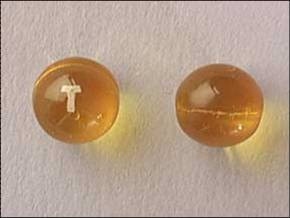
With respiratory illnesses on the rise for both adults and children, many families are turning to cough medications for much-needed seasonal relief. Cook Children’s Health Care System is providing essential safety guidance regarding Tessalon Perles (benzonatate) after seeing cases of accidental ingestion. While effective for older children and adults, health experts are highlighting the importance of strict storage and dosing to prevent accidental ingestion in younger children.
“Tessalon Perles are used to treat cough for kids over 10 but no safe dosing for younger children has been established,” said Mariana Wilson, M.D., medical director, Cook Children’s Medical Center- Prosper hospitalist.
Because these liquid-filled capsules can resemble candy, they pose a significant risk to toddlers. Clinical data shows that even a small amount of benzonatate can be toxic to a young child; a recent tragedy in Denton County has prompted local experts to remind families of the need for secure storage.
“Unintentional poisoning can happen to anyone, at any age,” said Klaressa Broughton, poison prevention program coordinator at the Center for Community Health. Broughton explains that these incidents, affecting children from birth through age 18, primarily involved medications and unspecified non-drug poisonings.
In 2025, Cook Children’s Medical Center - Fort Worth saw an increase of poisoning encounters: 1,031 cases compared to 818 in 2024. Broughton explains that the top poisoning for 2025 involved children of all ages from birth to 18 and were related to medication and unspecified non-drug poisonings.
“If the capsules are chewed, then release of benzonatate from the capsule in the mouth can produce a temporary numbing of the mouth and choking could occur,” explained Wilson. “If parents find a chewed capsule, even if it’s not completely consumed, they should call poison control or come to the ED,” said Wilson.
Cook Children’s experts share what care givers should know to keep their children safe.
Symptoms of Overdose
Symptoms of a benzonatate overdose can appear rapidly, often within 15 to 20 minutes of ingestion:
- Restlessness
- Tremors
- Convulsions
- Coma
- Cardiac arrest
“With technology at our fingertips, it is easy to turn to the internet browser for answers, but this can lead to unclear next steps,” said Broughton. “Calling the poison center at 1-800-222-1222 is free, confidential and all calls are answered by specially trained nurses, doctors and pharmacists.”
If a child becomes unresponsive, call 911 immediately.
Tips for Poison Prevention:
Safe Medication Dosing
- Follow the dosing directions listed on the medication by using the appropriate measuring items, such as a medicine cup or oral syringe.
- Double dosing is NOT twice as effective, and in many instances can cause internal damage.
- Adult medications may be too strong for children and should not be given in half doses. Only give medicine to your child that is intended for children.
- Print the medication schedule to keep the right dosage for your family.
Safe Storage
- Many people leave medications on bathroom and kitchen counters as well as bedroom nightstands as a visual reminder to take them. Avoid unintentional injury and store medication up high, locked, and out of reach.
- Hang purses and personal bags up high so children cannot reach prescriptions, vitamins, or other regularly used medications.
- Remember, when visiting friends and family, it is ok to have an open discussion about safe storage.
Safe Disposal
- DEA Drug Take Back Day is on April 25th from 10 a.m.-2 p.m.
- Visit a medication drop box at a local pharmacy. For more information on poison prevention, visit www.meddropbox.org.
- The best disposal option is to find a drug take-back location, which may be found in retail, hospital, pharmacies, and/or law enforcement facilities.
- Removing any unused or expired medication in the home can reduce the risk of access.
Related Stories:
- Expert Tips for a Safe Spring Break: Poison Prevention
- Know When to Use Telemedicine, Urgent Care, or the ER for Kids
- The Ultimate Holiday Safety Checklist
