Cook Children’s Experts Urge Safe Sleep Practices as Infant Deaths Rise
Sudden Unexpected Infant Death (SUID) is the unexpected death of a baby under a year old. There are three main categories of SUID:
- Sudden Infant Death Syndrome (SIDS): a specific cause of death used when a baby dies for unknown reasons, even after an investigation. This means the infant was in a safe sleep environment, and there was no medical reason or external factor for why the infant died.
- Accidental Suffocation and Strangulation in Bed (ASSB): often used when the cause of death is related to an unsafe sleep environment, such as having soft items in the crib, becoming wedged between the mattress and a bedframe, or becoming entrapped under another person.
- Unknown/Undetermined reasons: instances where the cause of death remains undetermined, even after an investigation.
Sleep is one of the most precious commodities for new parents, but ensuring an infant has a safe sleeping environment is key.
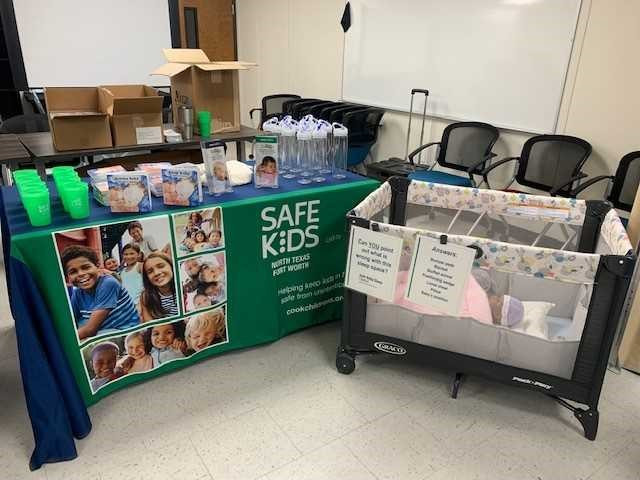
October is National Safe Sleep Awareness Month, an initiative that encourages parents to focus on their child’s sleep safety.
During National Safe Sleep Awareness Month, Cook Children's encourages families to follow safe sleep recommendations after recording 76 infant deaths linked to unsafe sleep environments between 2022 and 2026.
Most of these tragedies are preventable through simple measures, including placing babies on their backs to sleep, keeping cribs free of blankets and toys, and avoiding bed sharing.
Unsafe sleep-related deaths can occur when soft items are left in the crib or when an infant shares a bed with another person, also known as bedsharing. An infant can become wedged between the mattress and a bed frame or become entrapped under another person.
“Nationwide, we lose enough infants each week to fill three kindergarten classrooms,” said Sharon Evans, trauma injury prevention manager at Cook Children’s Health Care System. “That’s 3,700 lives lost per year.”
It’s a tragedy that is preventable.
Evans explained that studies have found that bedsharing is the most common cause of deaths in babies, particularly those 3 months old and younger.
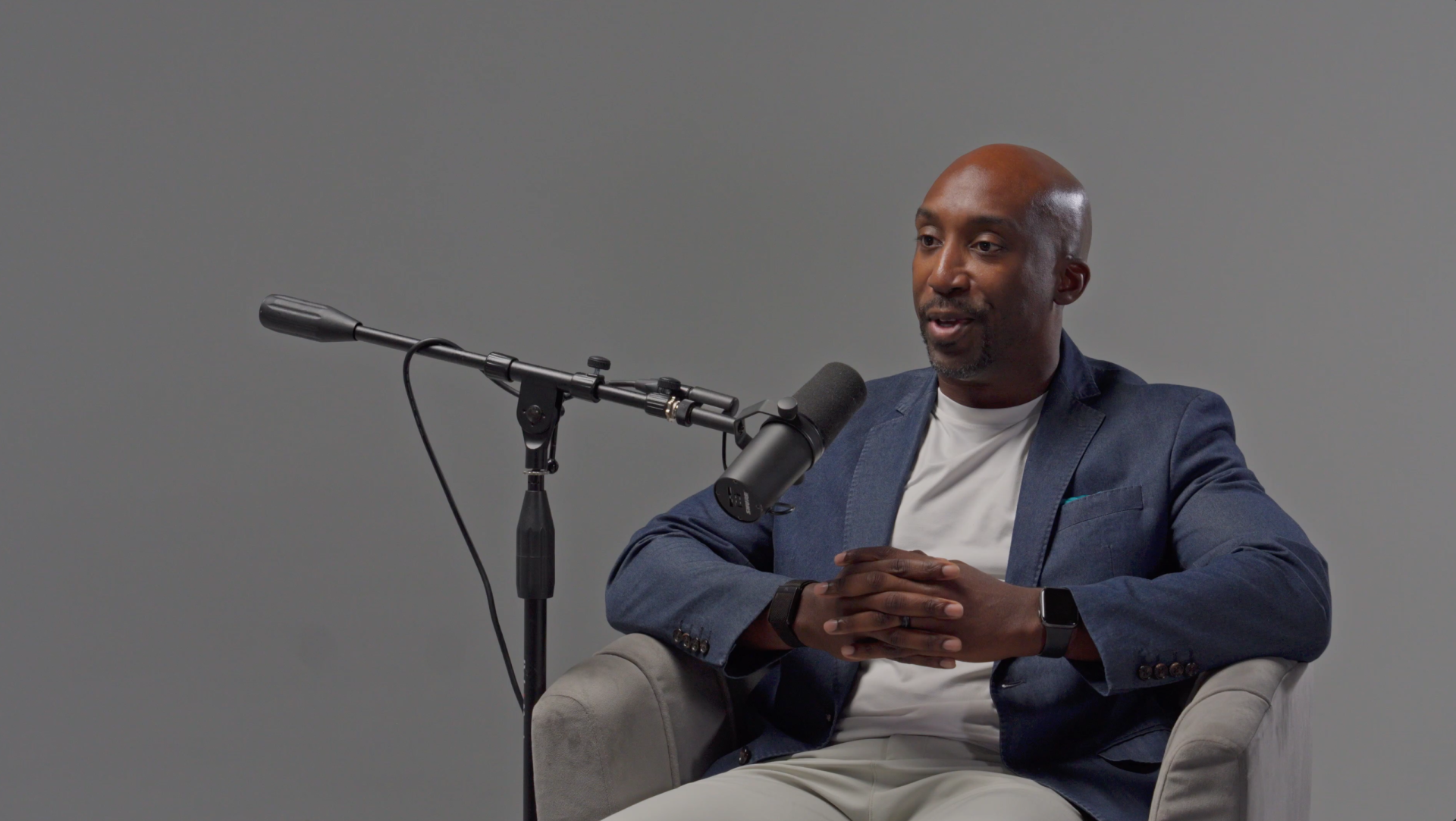
In the emergency room at Cook Children’s Medical Center – Fort Worth, Rodrigo Interiano, M.D., trauma medical director, has delivered this devastating news to families. He said the experience is heartbreaking. As a father of three, Dr. Interiano understands the overwhelming reality of parental sleep deprivation.
“There’s no parent who can tell you that they have slept six consecutive hours the first few months of a newborn’s life,” said Dr. Interiano.
He recalled how challenging navigating residency was as a first-time parent. He and his wife worked as a team or relied on family help so they could rest. Sometimes, it also meant allowing their baby to learn to self-soothe.
“As a parent, that's incredibly difficult because there's nothing more heart-wrenching than knowing that you could make them stop crying if you held them,” said Dr. Interiano. “But we have to understand, that every time we allow our newborn to sleep in the bed next to us, we are putting them at risk of a sleep-related infant death, asphyxiation or even brain death.”
According to the Cook Children’s Community Health Needs Assessment, nearly 2 in 5 infants (about 10,800) in the health care system’s eight-county service area, do not always sleep alone in their own crib or bed. Additionally, 1 in 4 (about 6,500) infants are not consistently placed on their back to sleep.
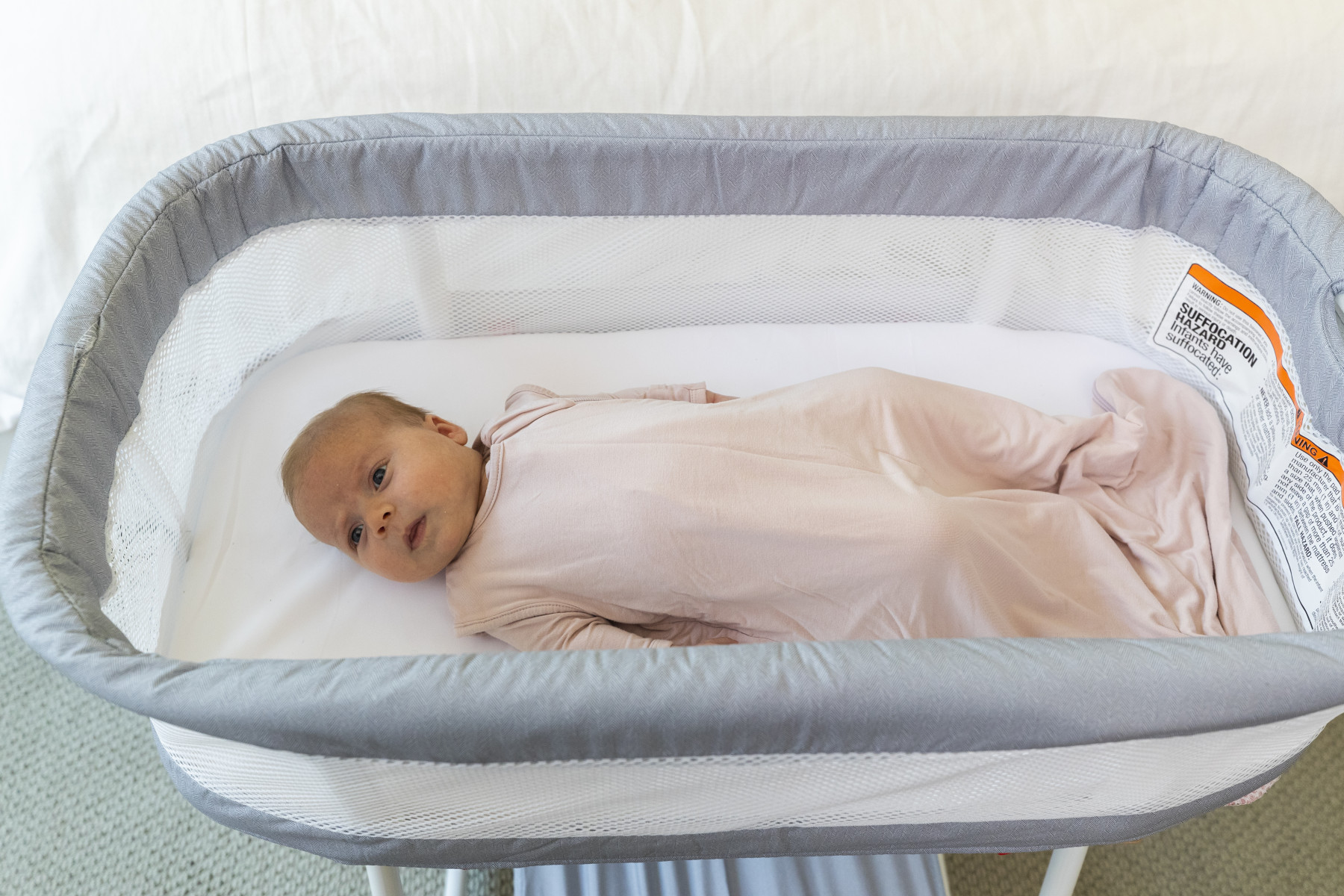
The American Academy of Pediatrics (AAP) encourages families to room-share with their infants for at least their first six months, but never share a bed. The AAP recommends that infants sleep on their backs on a flat, firm surface free of pillows, bumpers or soft toys. Instead of blankets, babies should wear a sleep sack to keep warmth.
Dr. Interiano adds that while there may be items that offer parents peace of mind, they may not be accurate.
“Cardiorespiratory type monitors, unfortunately, have not shown to decrease the risk of either sudden infant death syndrome or sleep related infant deaths,” explained Dr. Interiano. “We can’t rely on those to keep a baby safe.”
Dr. Interiano recognizes families don't intend to create an unsafe sleeping environment.
“Unfortunately, it becomes a perfect storm,” said Dr. Interiano. “All of a sudden, you fall into a deep sleep, and you have no concept that you've rolled over, or that there's a pillow that has fallen onto the baby.”
Delivering this news takes a heavy emotional toll on health care workers, many of whom are parents themselves.
“Knowing that this was a preventable death in many situations, that if we could have educated our families and parents on the importance of providing a safe sleeping environment, maybe the outcome would be different,” said Interiano.
Remember the ABCs of Zzzs:
- Alone: The sleep space should be clear of any soft items, such as blankets, stuffed animals, pillows, and bumper pads, leaving only a mattress with a tight-fitted sheet.
- Back: Babies should always be placed flat on their back for every nap and every night.
- Crib: A crib, bassinet, or portable play yard with a firm, flat mattress and a fitted sheet is the safest sleep surface.
Reducing the Risk
The American Academy of Pediatrics (AAP) recommends these tips to reduce the risk of SUID:
- Offer a pacifier with every sleep.
- Breastmilk (whether breastfeeding or by bottle-feeding).
- Avoid smoke and nicotine exposure.
- Avoid overheating.