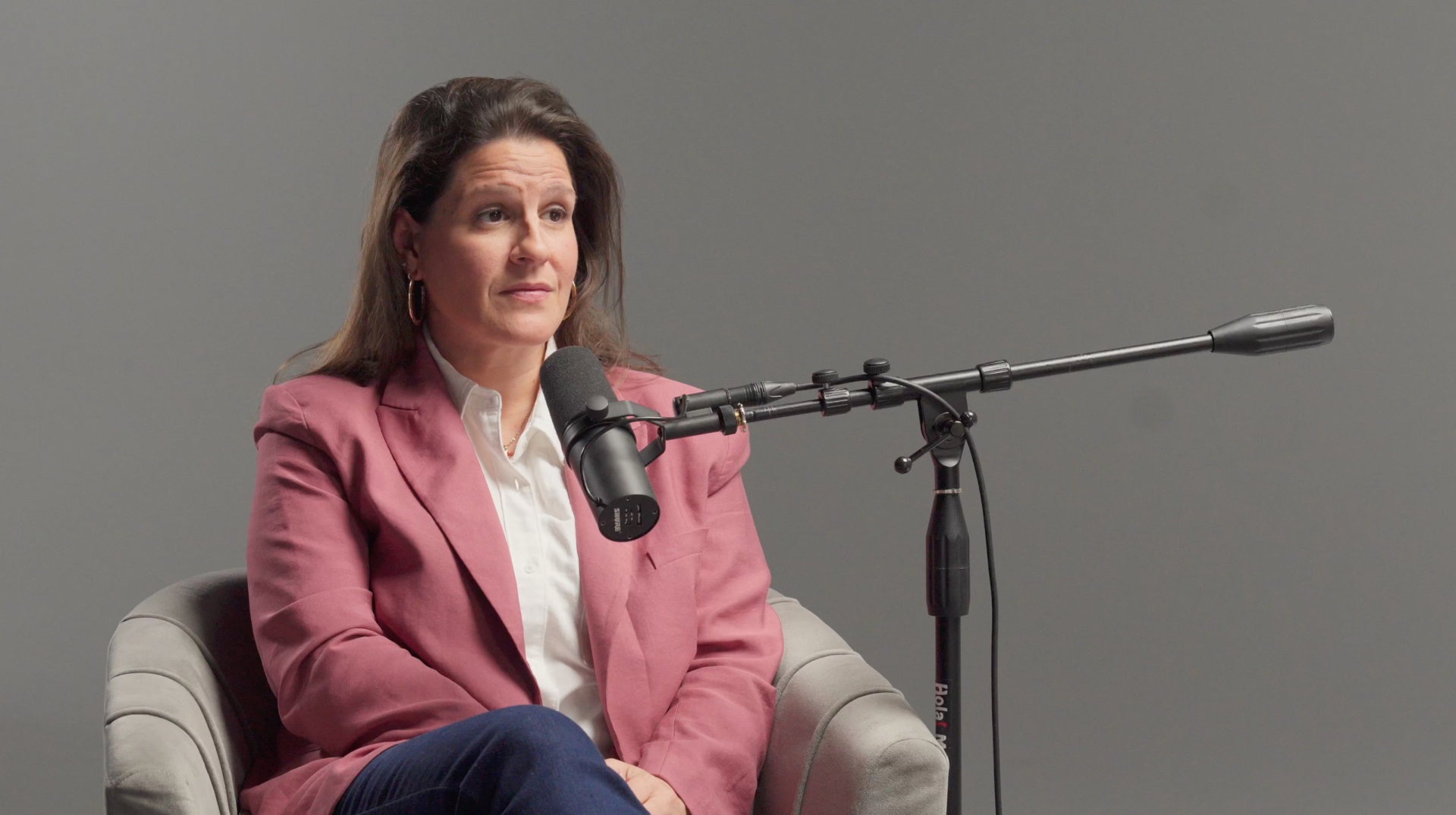
When Is Shyness More Than Shyness? Understanding Social Anxiety in Children with Dr. Kristen Pyrc
Some children are naturally shy. Others are outgoing social butterflies. But how do caregivers know when a child's hesitation around people might be something more? In this episode of For Kids’ Sake, Kristen Pyrc, M.D., discusses the difference between introversion and social anxiety, warning signs families should watch for, and practical ways to help children build confidence in social situations. Dr. Pyrc, the Co-Division Chief of Psychiatry at Cook Children's, also shares how caregivers can support anxious children without accidentally reinforcing avoidance behaviors. Here's an edited Q&A version of the conversation.
Q: What's the difference between being shy and having social anxiety?
Dr. Pyrc: Everyone has a different social battery. Some children are naturally introverted or shy, while others thrive in social settings. Social anxiety becomes concerning when it starts interfering with daily life. If a child wants friends, wants to attend activities, or needs to participate in school but anxiety prevents them from doing those things, it may be more than simple shyness.
Q: What are some early signs of social anxiety?
Dr. Pyrc: Younger children often express anxiety physically before they can explain it emotionally.
Signs may include:
- Frequent stomachaches
- Frequent headaches
- Clinginess with caregivers
- Avoidance of social situations
- Reluctance to attend school, parties or activities
Many children simply say they want to stay home without understanding that anxiety may be driving those feelings.
Q: Has social anxiety become more common?
Dr. Pyrc: Yes. Today's children often have fewer opportunities for unstructured social interaction than previous generations. More screen time, highly scheduled activities and fewer opportunities to independently practice social skills can contribute to increased anxiety. The pandemic also played a significant role by limiting in-person interactions during key developmental periods.
Q: Are some children more likely to develop social anxiety?
Dr. Pyrc: Social anxiety can run in families, and caregiver anxiety may also influence how children view situations. Children often look to trusted adults to determine whether something is safe or dangerous. If caregivers appear highly anxious about social situations, children may begin to interpret those situations as threatening too.
Q: How can caregivers support anxious children without encouraging avoidance?
Dr. Pyrc: One of the most important things caregivers can do is lend confidence. Children benefit from hearing:
- "You've got this."
- "You can do hard things."
- "I'll support you."
When adults consistently rescue children from anxiety-provoking situations, children may interpret that as confirmation that the situation was too scary to face.
Q: What can families practice at home?
Dr. Pyrc: Role-playing can be extremely helpful. For example, if a child is nervous about giving a presentation, families can recreate the situation at home and practice repeatedly. It's also helpful to encourage participation in activities that align with a child's interests. Shared interests create natural opportunities for conversation and friendship.
Q: When should caregivers seek professional help?
Dr. Pyrc: If anxiety is interfering with a child's daily functioning, it's worth seeking support.
Examples include:
- Missing significant amounts of school
- Frequent anxiety-related physical complaints
- Social isolation
- Difficulty making or maintaining friendships
- Avoiding important activities
Because counseling takes time and waitlists can be long, early intervention is often beneficial.
Q: My child doesn't want to attend birthday parties or school events. Should I push or back off?
Dr. Pyrc: Caregivers should try to understand why the child is reluctant. Ask questions and explore specific concerns. Then work together to create a plan. In many cases, helping children gently face manageable fears builds confidence over time. Avoidance often makes anxiety stronger.
Q: What's one thing caregivers often misunderstand about anxiety?
Dr. Pyrc: Anxiety doesn't always look frantic or emotional. Many anxious children appear withdrawn, shut down or oppositional when they're actually feeling overwhelmed and scared. Connecting with the child before assuming defiance can make a tremendous difference.
Final Thoughts
Dr. Pyrc: Parenting is hard. Give yourself grace. Most caregivers are doing the best they can. Supporting children through anxiety isn't about being perfect. It's about staying connected, offering encouragement and reminding children that they can do hard things.