E-Bike Injuries Up 500% at Cook Children's. Here's What Caregivers Need to Know.
Electric bikes and scooters have become increasingly popular among children and teens, and injuries are soaring. In this episode of For Kids’ Sake, Sharon Evans, RN, injury prevention manager at Cook Children's, shares what families should know about e-bike and e-scooter safety, including helmets, age recommendations and how to determine whether a child is ready to ride.
Q: How fast can e-bikes and e-scooters actually go?
Evans: It depends on the type, but some e-bikes can reach 30 miles per hour, and some e-scooters can travel up to 40 miles per hour. Because these devices travel faster than traditional bikes and scooters, crashes often involve greater force and more severe injuries.
Q: Are injuries from e-bikes and e-scooters becoming more common?
Evans: Yes. Injuries from e-bikes have increased 500% at Cook Children’s from 2025 to the first half of 2026, while e-scooter injuries are up 97%. As more children receive e-bikes and e-scooters, emergency departments are seeing more crashes and serious injuries.
Q: What types of injuries are most common?
Evans: We often see:
- Broken bones
- Abdominal injuries
- Liver and spleen injuries
- Head injuries
- Concussions
- Traumatic brain injuries
Head injuries are especially concerning because they can range from a mild concussion to life-threatening brain bleeds requiring surgery and rehabilitation.
Q: Who should be riding an e-bike or e-scooter?
Evans: Age and maturity both matter. The American Academy of Pediatrics recommends that children younger than 12 should not ride e-bikes or e-scooters. For older children, caregivers should consider:
- Maturity level
- Ability to follow rules
- Knowledge of traffic safety
- Helmet compliance
- Experience riding a traditional bike
Q: What's the most important piece of protective equipment?
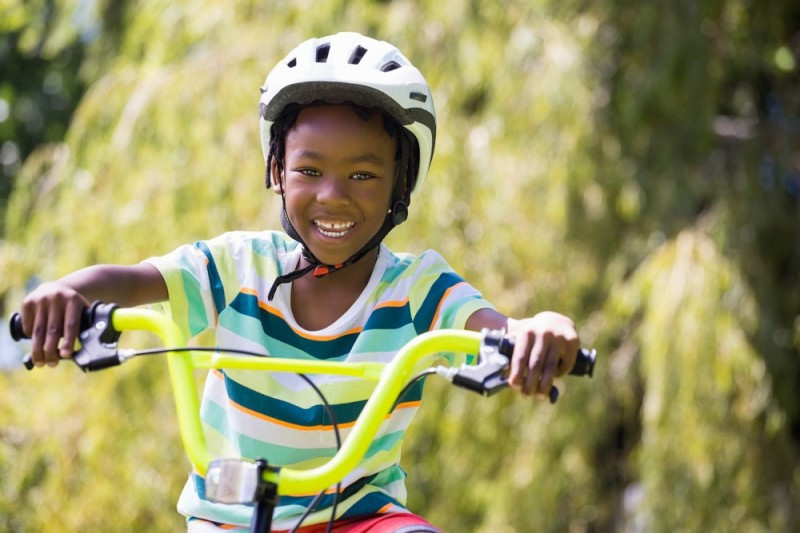
Evans: The helmet. A properly fitted helmet is the most important safety measure a rider can take.
Because e-bikes and e-scooters travel at higher speeds, caregivers should ensure children wear helmets appropriate for the speed and type of device they're riding.
Want to learn more about protecting your child on e-bikes and e-scooters? Check out this article with more tips from Evans and Taylor Louden, M.D., medical director of emergency services at Cook Children’s Medical Center – Fort Worth.
This article also covers safety standards for which helmets are most appropriate for the vehicle’s speeds, including:
· CPSC: All bicycle helmets sold in the U.S. must meet this standard. These are best for traditional bicycles and low-speed scooters.
· ASTM F1952: Provides more protection than a standard bicycle helmet and may be good choice for riders traveling at speeds below 20 mph.
· NTA 8776: Designed specifically for e-bike and e-scooter riders. This is the preferred choice for riders travelling at speeds above 28 mph.
· DOT FMVSS-218: Provides the highest level of protection on this list and is best suited for higher speeds above or riding near heavy traffic.
Q: What should caregivers consider before purchasing an e-bike or e-scooter?
Evans: Think carefully before making the purchase. Ask yourself:
- Is my child mature enough?
- Can they confidently ride a traditional bicycle?
- Will they consistently wear a helmet?
- Do they understand traffic rules?
If the answer to any of those questions is no, it may be worth waiting.
Q: How can caregivers enforce helmet rules without constant arguments?
Evans: Start by establishing expectations before the device is purchased. Caregivers should clearly explain:
- Safety rules
- Expectations
- Consequences for unsafe behavior
When children know the rules in advance, they're often more likely to follow them.
Q: What's one riding behavior that concerns you when you see it?
Evans: Children riding without full control of the device. This can include:
- Wobbling while riding
- Riding near vehicle traffic
- Crossing between parked cars
- Ignoring traffic signals
These situations can quickly become dangerous.
Final Thoughts
Evans: E-bikes and e-scooters are not toys. They can be useful transportation tools, but they require training, supervision and proper safety equipment. If children are going to ride, caregivers should do everything they can to reduce risk and keep them safe.