Transitioning Care with Trust: Austin’s Epilepsy Journey with Cook Children’s
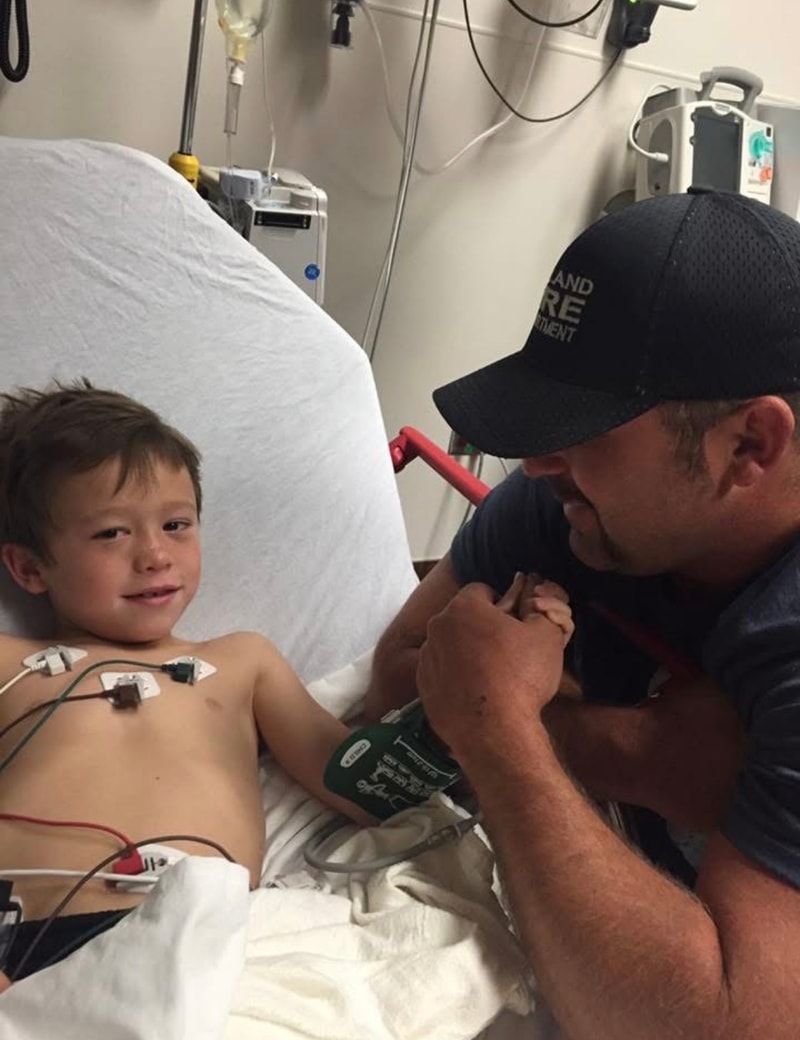
Austin Henley was 4 years old when his parents witnessed him having a generalized tonic-clonic seizure, a type of seizure that causes unconsciousness, body stiffening, and shaking or jerking.
As is common with a first-witnessed seizure, it was thought to be a one-time occurrence. However, over the next several months, Austin’s mother, Kristin Henley, noticed he continued to have strange facial expressions, heavy breathing and a difficulty controlling his body movements. She later learned these were focal impaired awareness seizures (commonly known as complex partial seizures), which involve altered awareness and limited physical signs.
Most doctors near their home in Midland, including a neurologist, didn’t recognize Austin’s seizures.
Cook Children’s Epilepsy Care
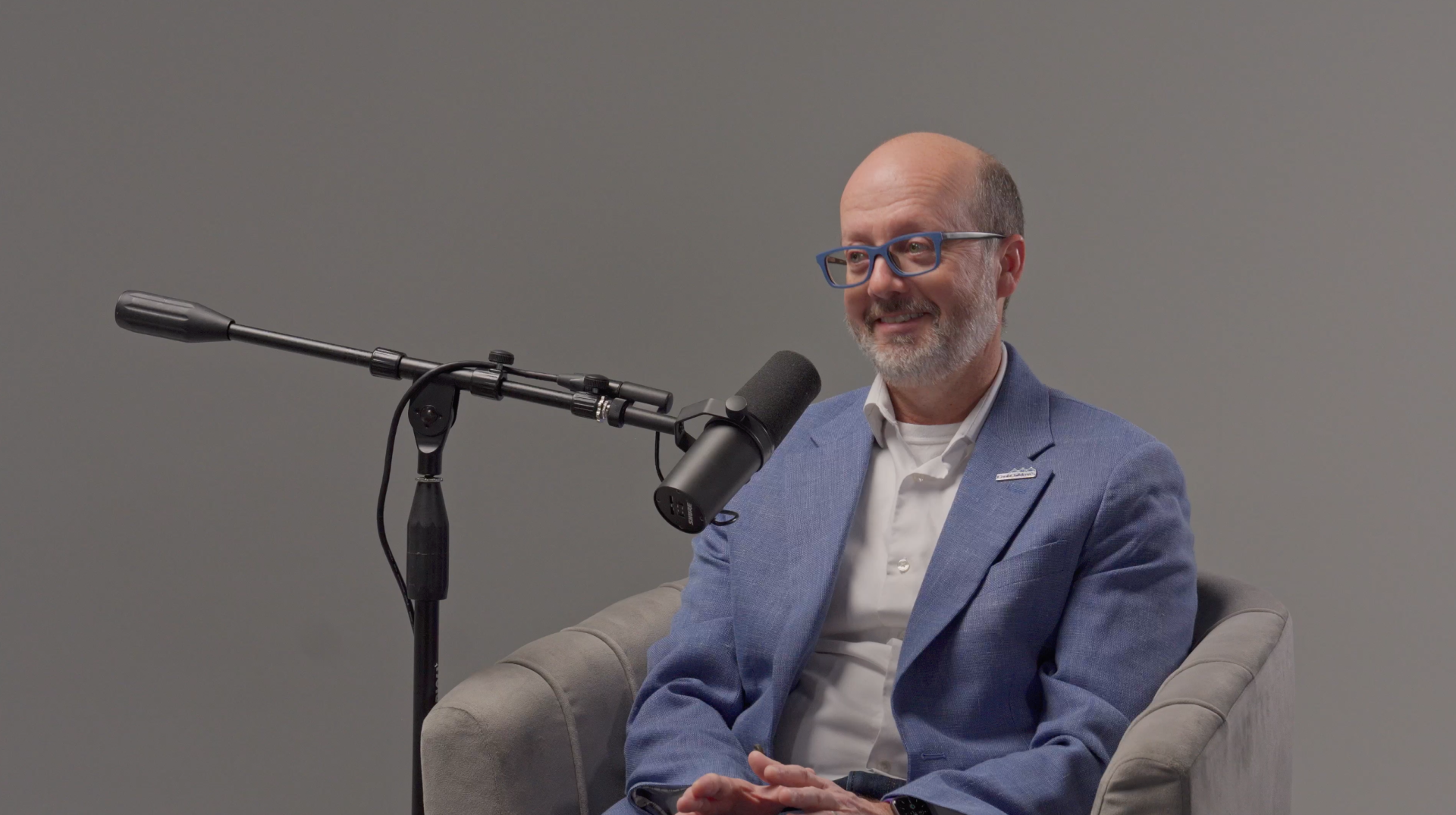
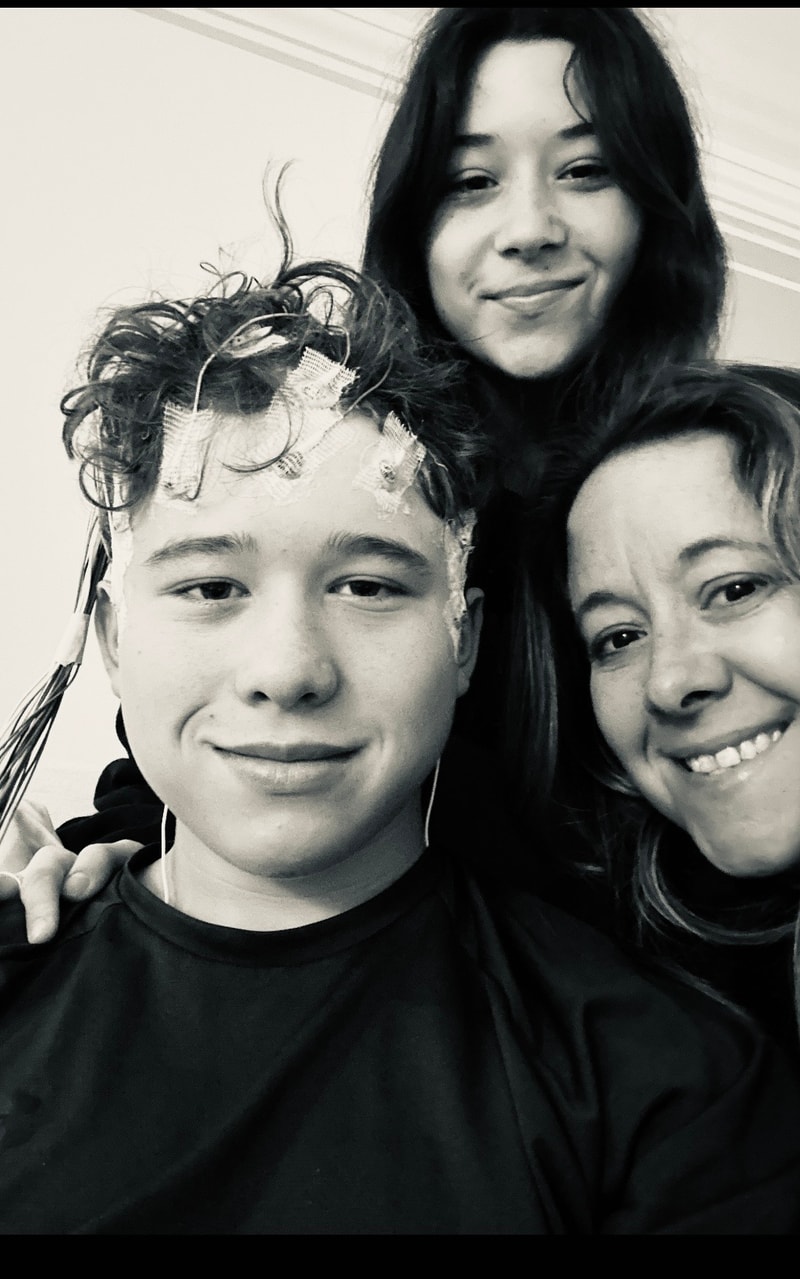
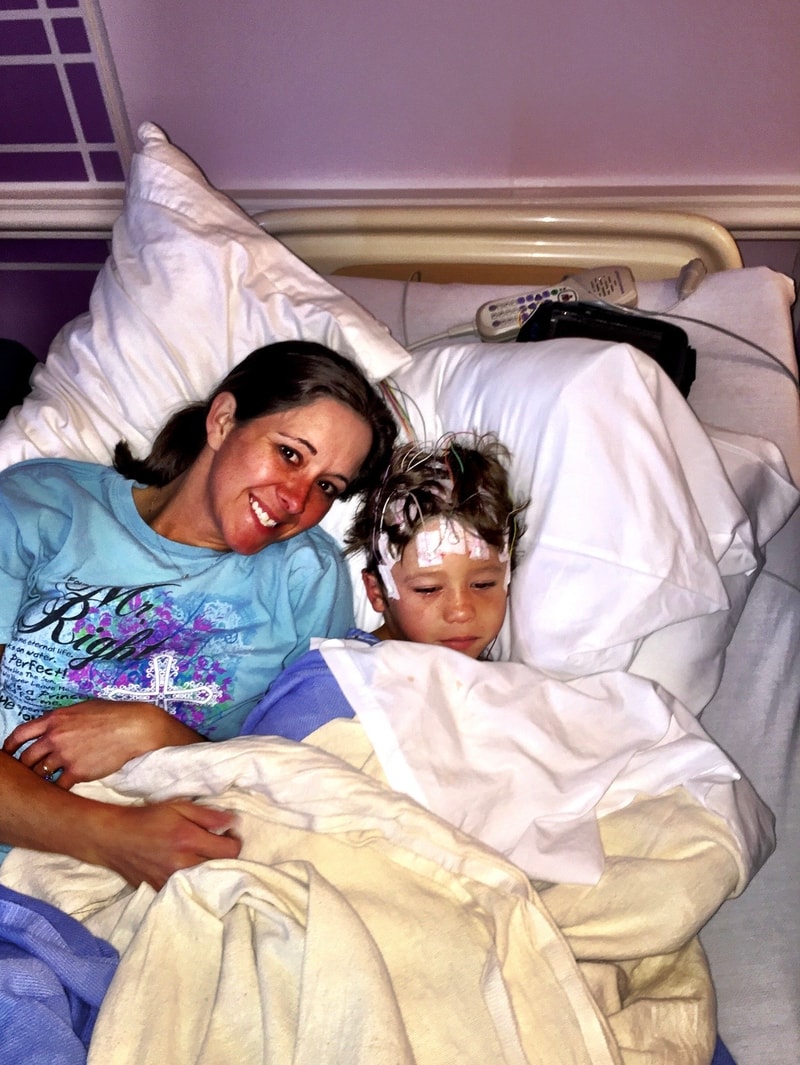
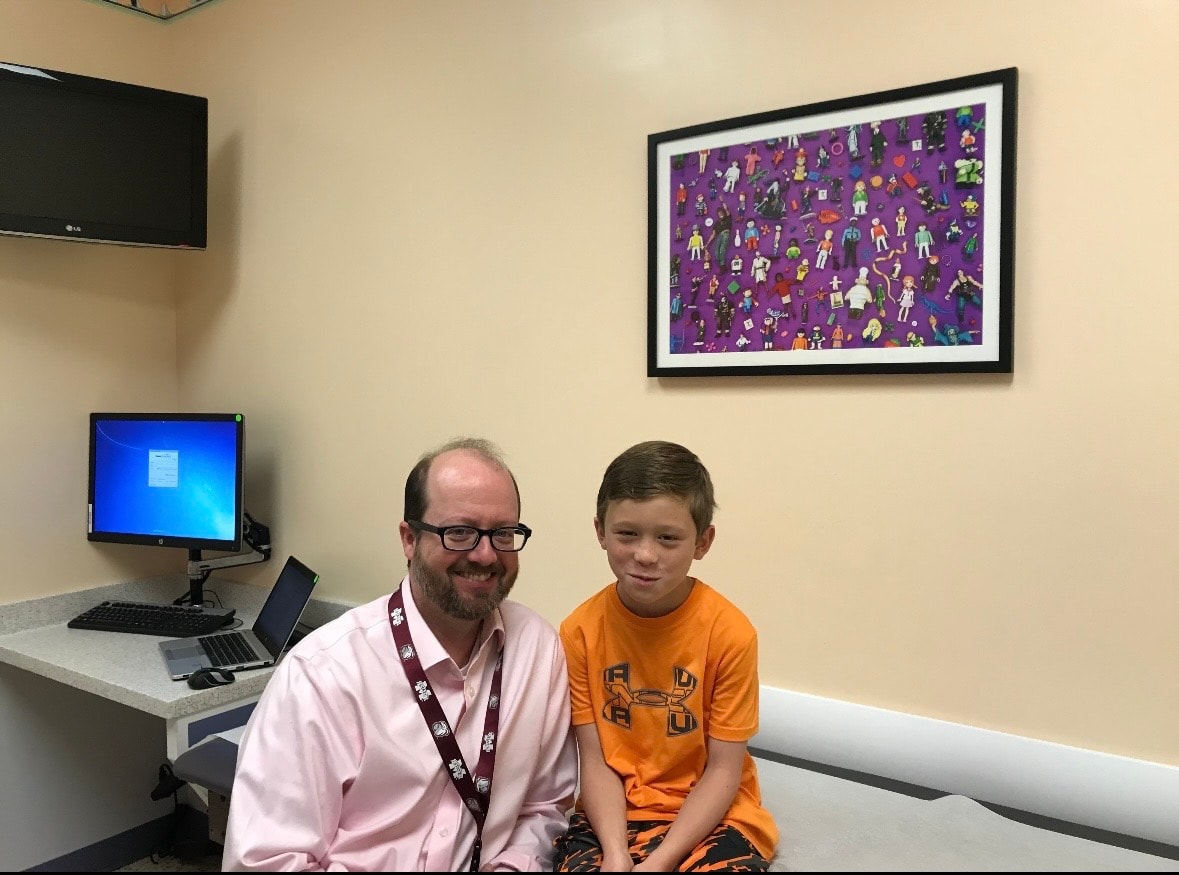 Everything changed when Kristin found M. Scott Perry, M.D., head of Neurosciences and director of the Jane and John Justin Institute for Mind Health at Cook Children’s in Fort Worth. Dr. Perry admitted Austin to the Epilepsy Monitoring Unit (EMU) for observation, where tests revealed he was having 15 to 20 focal impaired awareness seizures a day.
After two more years of seizures and failed attempts to control them with medication, Austin’s family began considering epilepsy surgery. He became a candidate when doctors confirmed all his seizures stemmed from the same area of his brain, leading to his first procedure: laser ablation.
Laser ablation is a less invasive brain surgery that uses light energy to destroy unhealthy brain tissue instead of opening the skull.
Following the procedure, Austin’s seizures decreased in frequency and no longer progressed to abnormal body movements, though they still occurred intermittently.
“For Austin each surgery brought new challenges,” Kristin said. “The first few days were more difficult than we could have expected, but once he turned the corner of recovery his determination and perseverance outshined the darker days.”
Epilepsy Surgery Journey
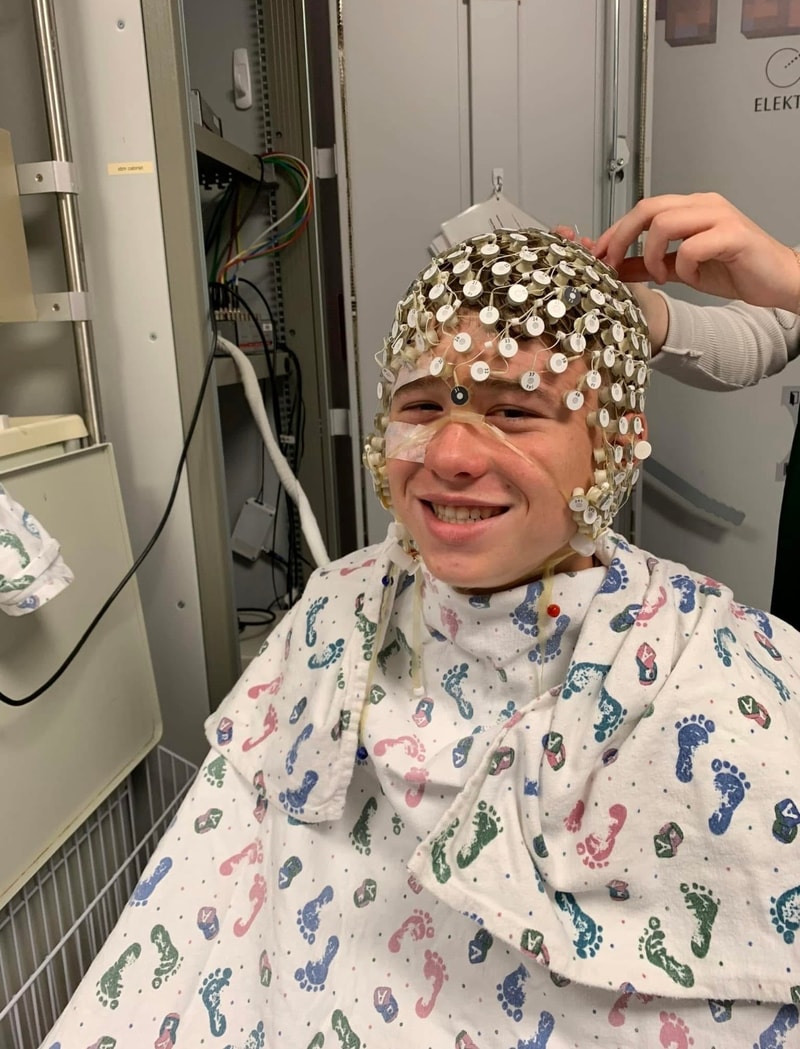
As his seizures returned over the years, Austin underwent four more surgeries at Cook Children’s, including invasive EEG monitoring and a craniotomy, a type of brain surgery in which a piece of the skull is removed to access the brain, in December 2024.
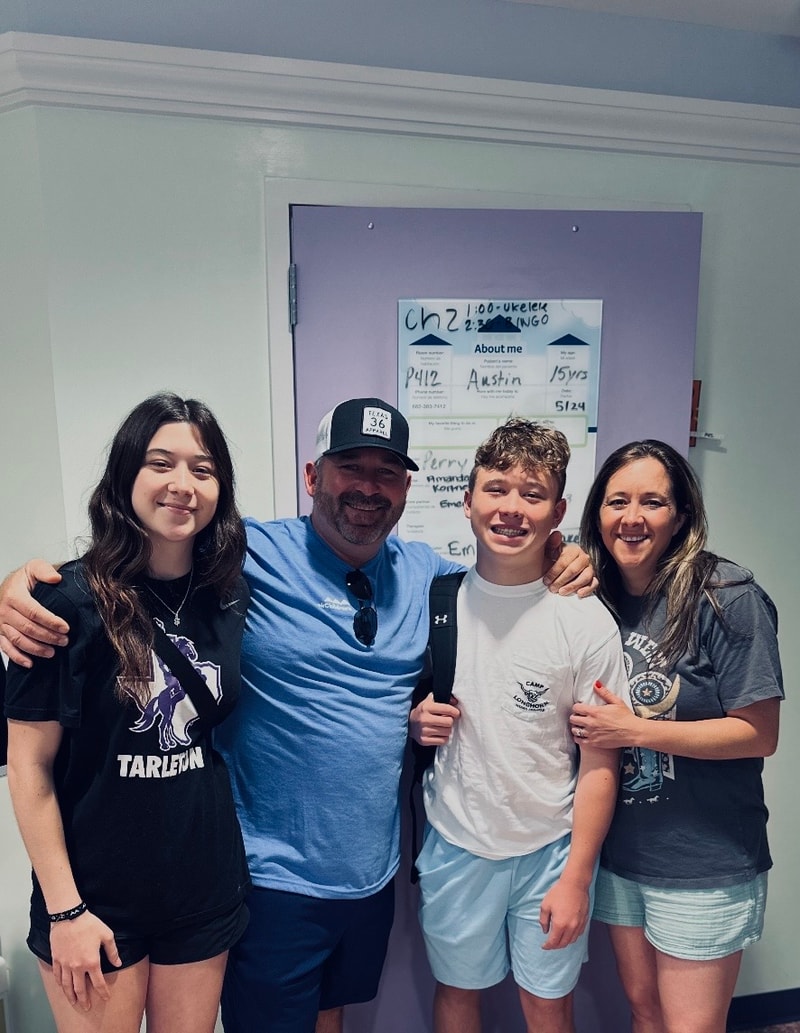 Although he still experiences rare seizures, he has more freedom than ever before.
“We are very pleased Austin’s seizures are now more controlled,” Kristin said. “Do your research and make the decision you feel in your heart is best for your child.”
Epilepsy surgery options have grown tremendously in recent years. While the prospect can be scary, Austin’s family has watched him gain independence and participate in activities alongside his peers.
“Since he has been doing so well, Austin was able to attend church camp this year which was a huge blessing,” Kristin said.
Despite the challenges he has endured, Austin is looking forward to driving when he is able, finding a job that is a good fit for him and simply being himself.
“I want to feel like I’m moving forward in my life and be an inspiration to other kids who are going through what I went through,” Austin said.
Although the epilepsy surgeries have been challenging for Austin, they have given him more opportunities.
“Almost everyone with epilepsy today is a candidate for epilepsy surgery,” Dr. Perry said. “Some patients are more likely to experience seizure reduction or seizure freedom than others, and some are more likely to experience side effects depending on the type of surgery.”
Long-Term Patient Care
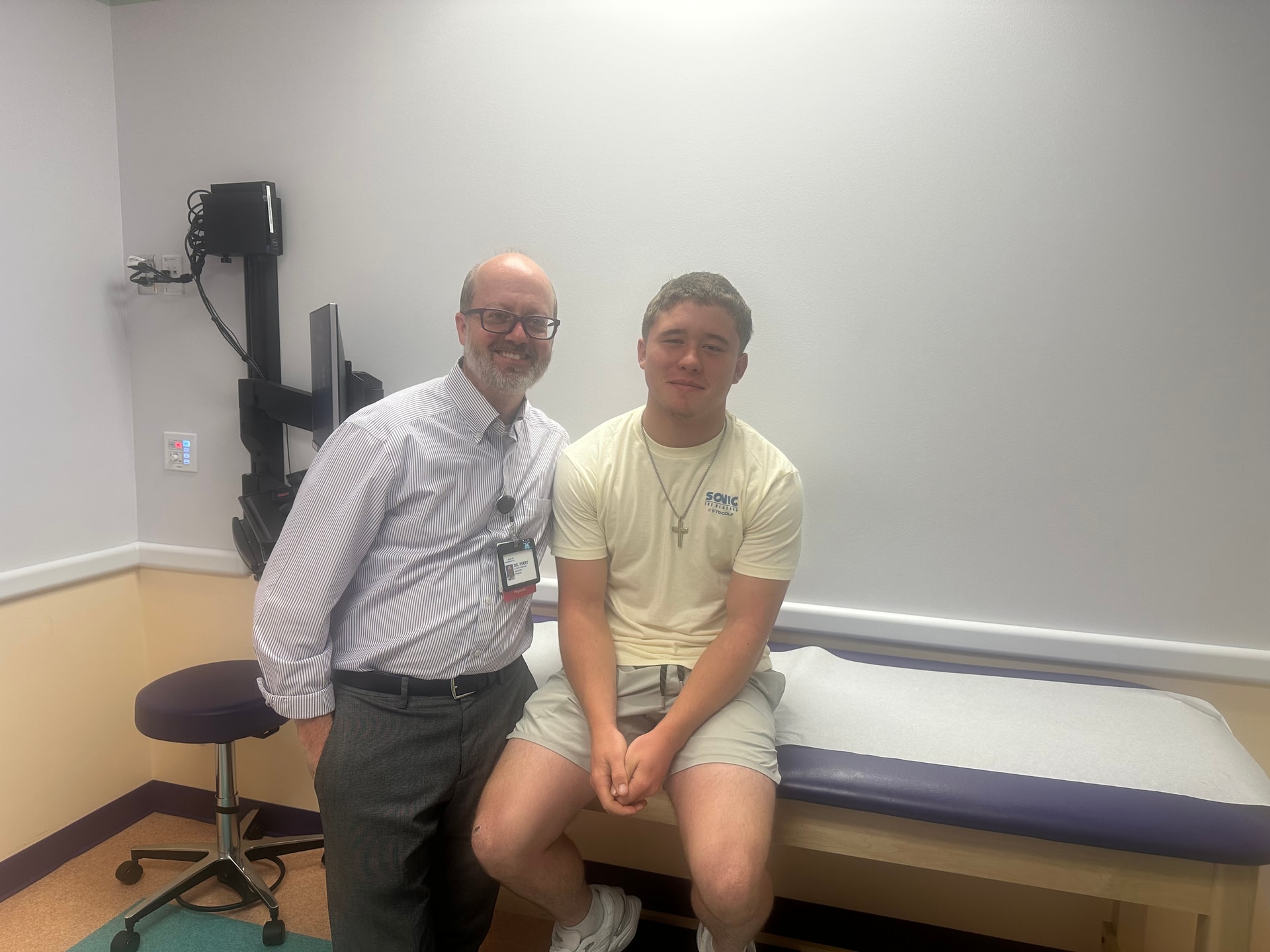 Austin is now 17 and has been seeing Dr. Perry for 14 years. Together, they have navigated the journey to control his seizures and manage the physical, emotional and cognitive side effects of epilepsy, surgeries and medications.
“Austin has come a long way with his family and his strong will to keep getting better,” Dr. Perry said. “He and his family trust me, and I’m not willing to give up making him better. We’ve had a great relationship all these years.”
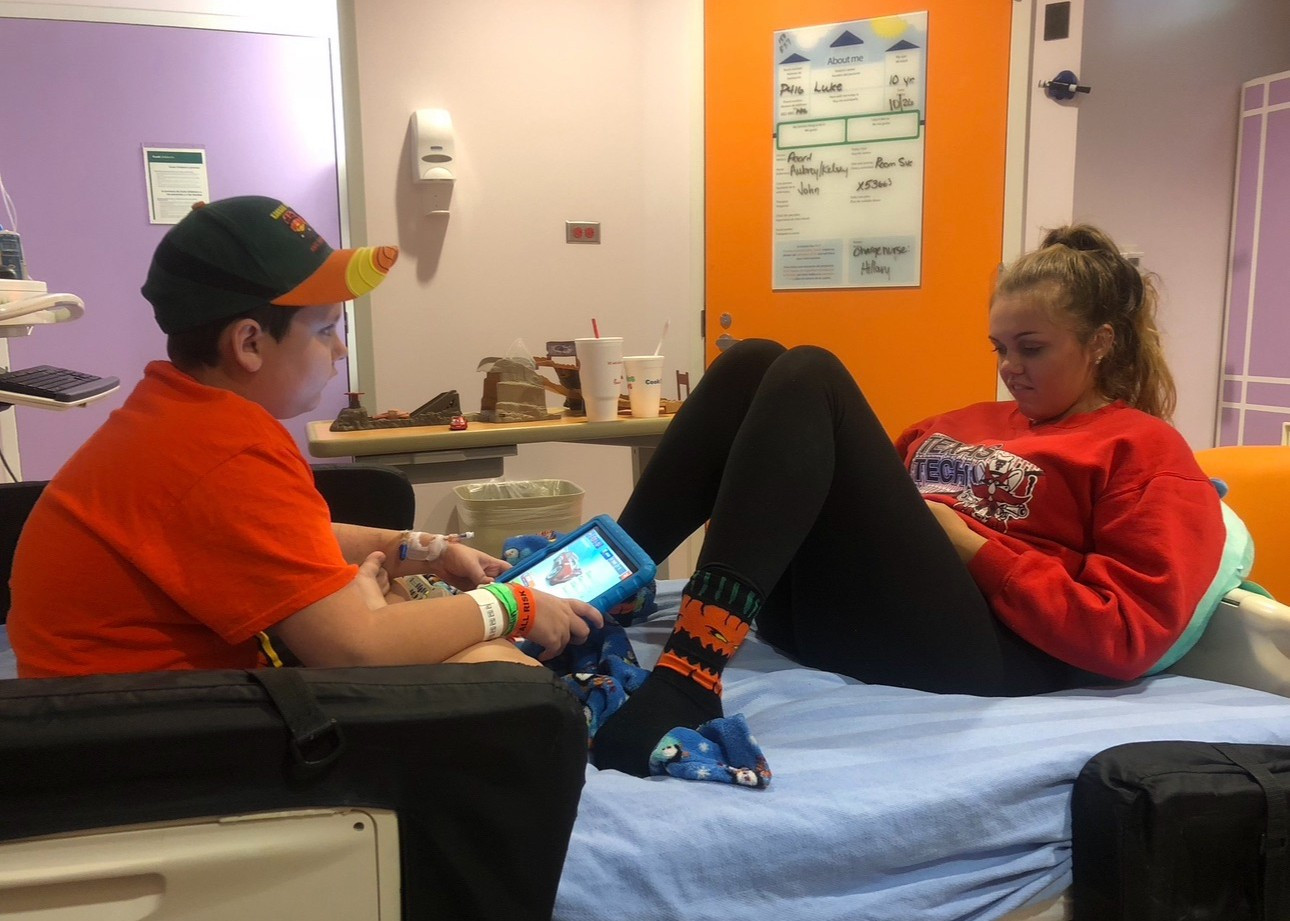
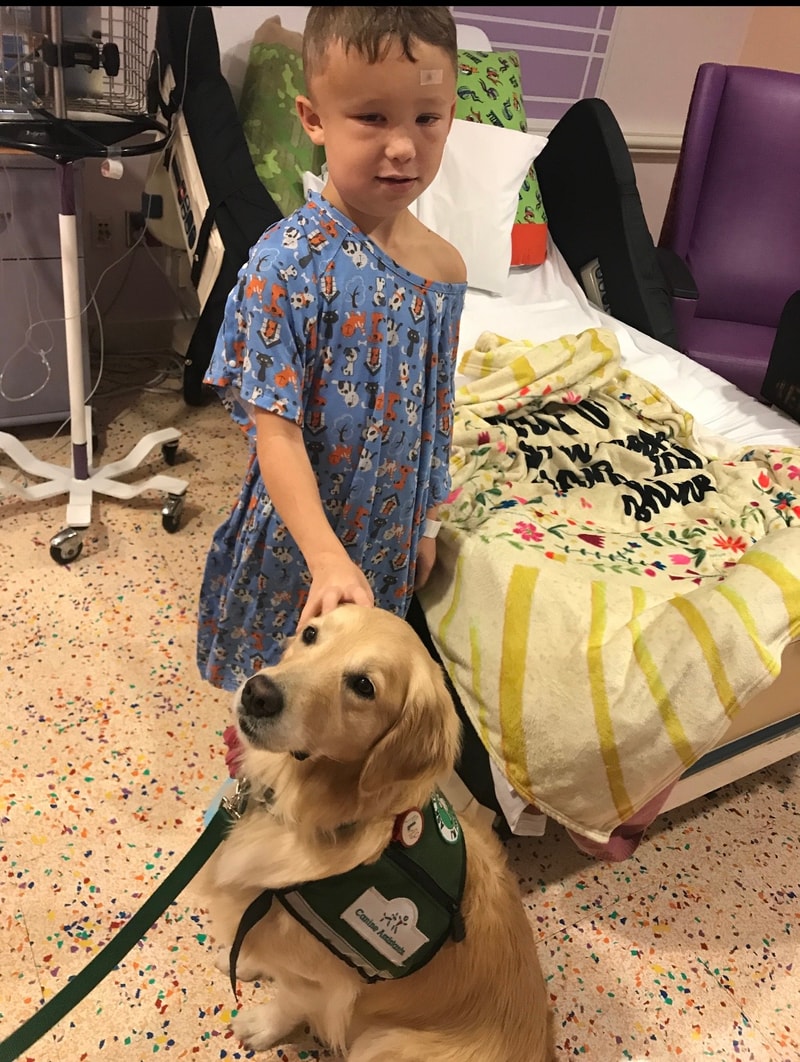
Through Austin’s appointments, surgeries, and hospital stays - which the family affectionally nicknames “Hotel Cook’s” - the Henleys say they are grateful for the warmth and care they have received at Cook Children’s.
“Our family has been overwhelmed by the wonderful people - Dr. Perry most of all - for helping us through some of the hardest times of our lives,” Kristin said.
“I’ve loved how great Dr. Perry has been to me and my mom,” Austin said. “He’s someone I can relate to, and I know I can tell him anything.”
Transitioning from Pediatric to Adult Care
Transitioning to adult medical care can be a very emotional time for patients and their family, especially after seeing the same doctor for more than a decade. Kristin and Austin say their biggest concern is not finding a doctor as caring and responsive as Dr. Perry and the team at Cook Children’s.
“Given the time and care Dr. Perry has invested in Austin, I can’t promise that in the future I won’t be sending an email or two with questions or to seek his advice,” Kristin said.
To ease the process, Dr. Perry partners with an adult epileptologist to whom he refers most of his patients. That continuity has provided relief for Austin, who plans to transition to adult care when he turns 18 later this year.
“Talking about and planning transition to adult care should begin early, usually around 13 years of age,” Dr. Perry said. “Having that conversation early and often is really important to be successful.”
Knowing that they can call or text him if needed also helps Kristin and Austin as they come to terms with eventually having their last appointment with Dr. Perry. The process has been a bit easier for the Henleys knowing that Dr. Perry has been preparing them and understands their concerns.
“I do a lot of work in transition of care and have published several recent papers and a podcast about it,” Dr. Perry said. “Transitioning care is very difficult because you have a long-term relationship with a pediatric provider, and no one likes change.”
Dr. Perry, who serves as president of the Child Neurology Foundation, has worked closely with the organization’s Lifespan Care Coalition. The group is helping build standard framework requirements to guide complex pediatric patients into adulthood. It’s a mission inspired by patients like Austin, whose 14-year journey at Cook Children’s proves that with early planning, deep trust and continuous care, transitioning to the next chapter doesn't have to mean stepping into the unknown.