

FDA’s First Formula Update in 30 Years: Why Experts Say It’s Safe
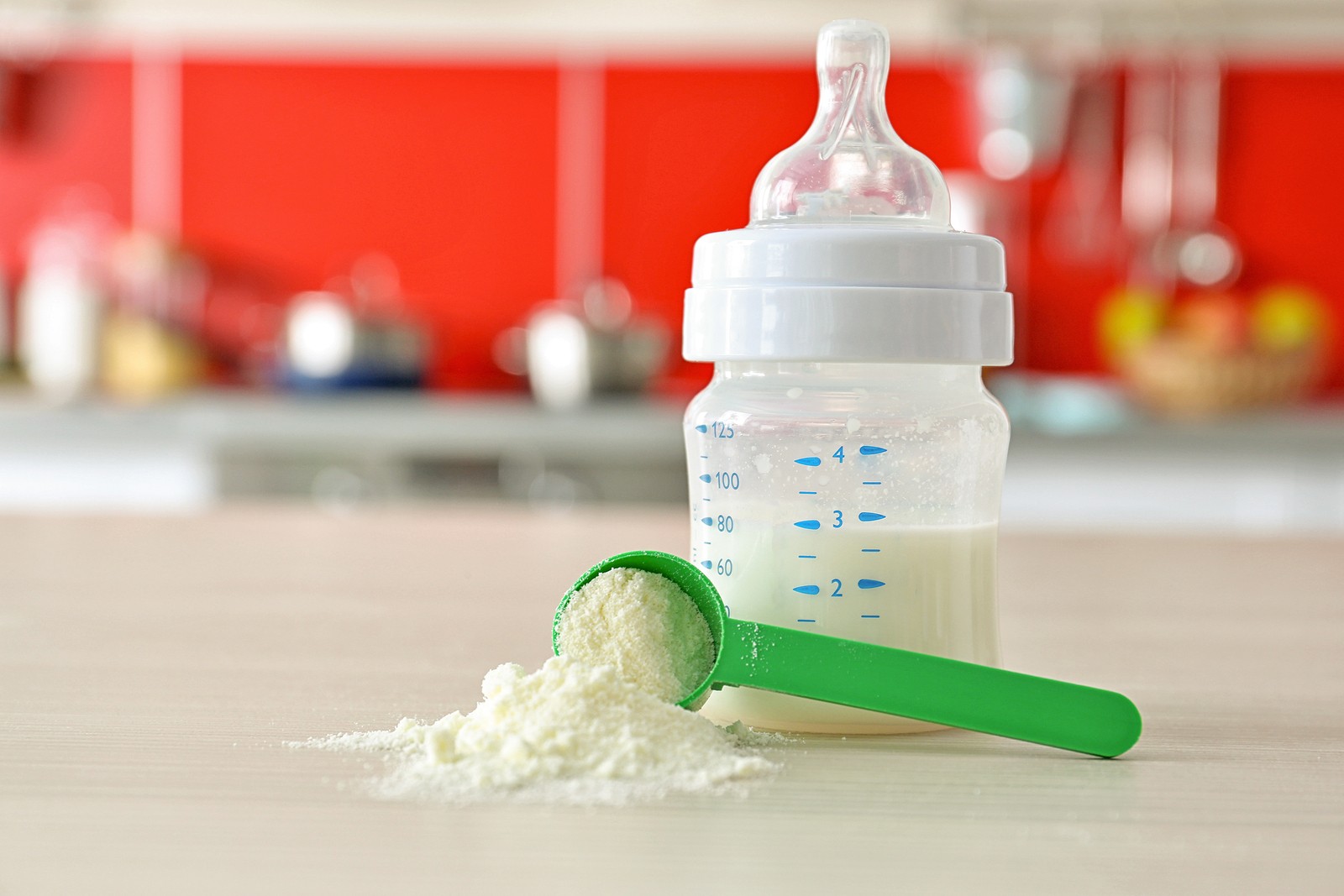
For the first time in 30 years, the Food and Drug Administration (FDA) has proposed updated regulations for infant formula. Cook Children’s Health Care System understands the proposed changes may bring up questions and concerns for families.
Hayley Spinks, a clinical dietitian at Cook Children’s, and Makayla Penner, M.D., pediatrician explain what families should know.
“Infant formula in the U.S. is safe; this review is not being done because of a safety concern,” said Spinks. “The review is being done to update the guidance to better match ongoing research about human milk and nutrition.”
Spinks explains that the FDA will be reviewing about 30 nutrients, in three phases. Once all three phases are complete, they will be consolidated into a final rule. Following the final rule, infant formula companies will have three years to comply.
Phase 1 Nutrient Review
According to the FDA, the first phase focuses on eight nutrients:
- Chloride
- Iodine
- Manganese
- Potassium
- Selenium
- Sodium
- Vitamin A
- Vitamin D
The FDA proposed minor changes to the recommended amounts or units of measurement for four of the eight Phase 1 nutrients. Subsequent phases will review the remaining nutrients, potential new required nutrients, and carbohydrate sources.
“These updates are part of routine review to provide the best infant formula for all babies who need it,” explained Spinks.
The FDA will host a public comment period following each phase, allowing medical experts and consumers to provide feedback.
What should families do in the meantime?
For now, nothing changes, parents and caregivers should continue feeding their infants their current formula.
“Whether they are store brand or name brand, they will provide what your baby needs to grow and thrive,” said Dr. Penner.
Dr. Penner emphasized formulas currently on the market have met strict FDA standards for nutrition and safety.
“There is a lot of misinformation online so talking with your pediatrician or dietitian about concerns you may have heard about online is the best way for your health care provider to discuss that information with you,” said Spinks.
Spinks encourages families to consult the FDA’s list of registered formula on its website: Infant Formulas Marketed in the U.S. | FDA and talk to their pediatricians. This website also provides information on any formula recalls.
“Infant formula sold in the U.S. is safe, and families should feel comfortable using any FDA registered formula,” said Spinks.
Safe Formula Preparation and Handling Tips:
- Never make homemade infant formula.
- Talk with your pediatrician before making changes.
- Follow mixing directions carefully: While most powder formulas require 2 ounces of water per one unpacked level scoop of powder, some formulas use a 1-to-1 ratio. Always check the label.
- Follow packaging instructions: Parents and caregivers should continue following standard instructions on formula packaging unless advised otherwise by their pediatrician or dietitian.
- Store safely: Refrigerate prepared formula immediately if not serving right away. Keep refrigerated and discard any unused prepared formula after 24 hours.
Choosing a formula
Deciding whether to breastfeed, formula feed, or combine both can bring up many emotions for parents.
“Sometimes the decision was made for you,” said Dr. Penner. “Breastmilk, formula, or a combination of both all end in the same result: a happy, thriving baby, ready to smile and spit up on your friendly pediatrician.”
If a family decides to use formula or combination-feed, selecting the right formula can feel overwhelming. Dr. Penner recommends a standard, iron-fortified, cow’s milk-based infant formula as a starting point, which is often the most cost-effective option.
Spinks shares the FDA shares chemical contaminant testing results on two websites for families (Infant Formula Testing Webpage and an Infant Formula Chemical Contaminants Dashboard).
“If unsafe levels are found the public will be notified with a recall,” said Spinks.
If parents suspect their infant requires a specialized formula or have specific nutritional questions, Dr. Penner recommends consulting their pediatrician to make an informed decision together.
'Liquid Gold' & Life-Saving Care: NICU’s New Milestone

Global Health Services: Help and Hope at Cook Children’s for Families Worldwide

Respiratory illnesses are increasing across North Texas: Know where to go for care
