'Liquid Gold' & Life-Saving Care: NICU’s New Milestone
Marking a major milestone at Cook Children’s Medical Center Prosper come as its Neonatal Intensive Care Unit (NICU) celebrates one year of providing critical care, highlighted by a groundbreaking partnership with the Mothers' Milk Bank of North Texas.
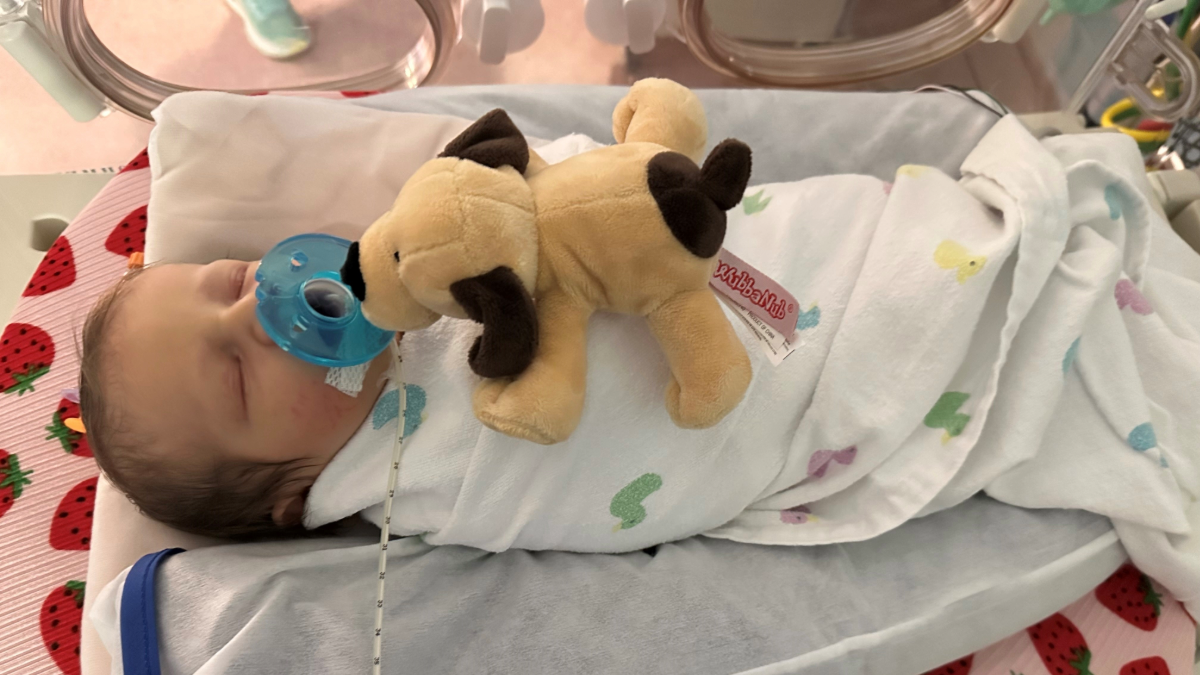
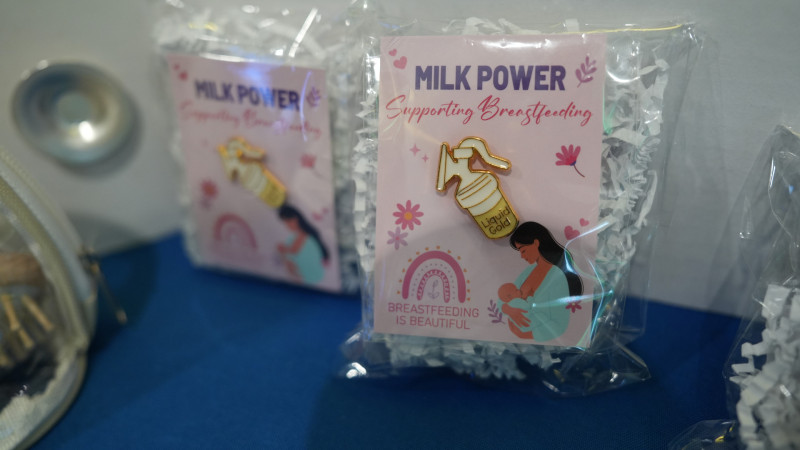
As the first pediatric hospital north of U.S. Highway 380 to serve as an official milk drop-off site, the medical center in Prosper has bridged a crucial gap for local families during National Breastfeeding Month. The partnership offers donor mothers a convenient local depot to donate excess milk, often referred to as "liquid gold”, which is tested, pasteurized, and provided to fragile newborns.
It is a full-circle moment for the medical center.
“Some time ago, a member of our community arrived in our lobby with a sizeable donation,” said Carly Lewis, clinical nutrition manager at the medical center in Prosper. “At that time, we didn’t have this partnership in place. Fortunately, we were able to help that family identify a suitable drop-off site.”
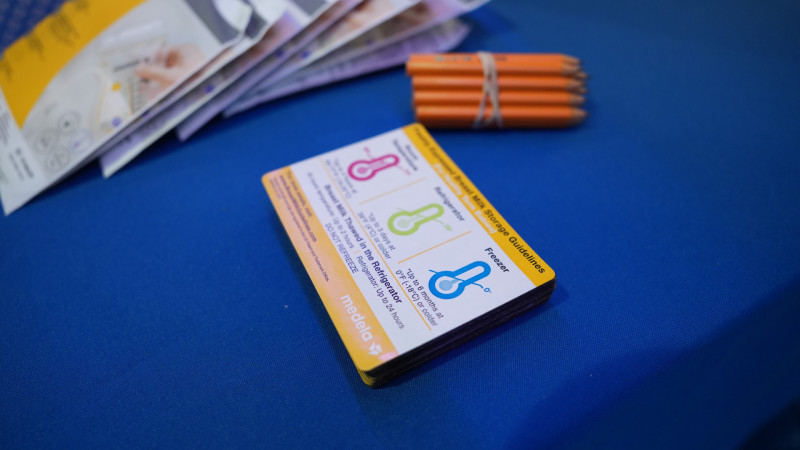
Prosper’s nutrition lab focuses on the storage, handling, and preparation of breast milk and formula, for families while they are in the NICU.
“It provides parents with peace of mind knowing that their ‘liquid gold’ is safe and ready for use when needed,” said Tiffany Pullum, nurse manager at Prosper’s NICU.
 A 'Village' of Care in the NICU
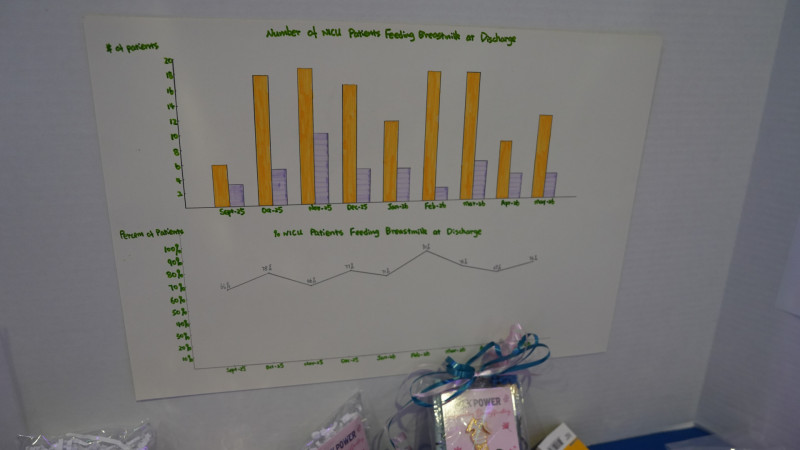
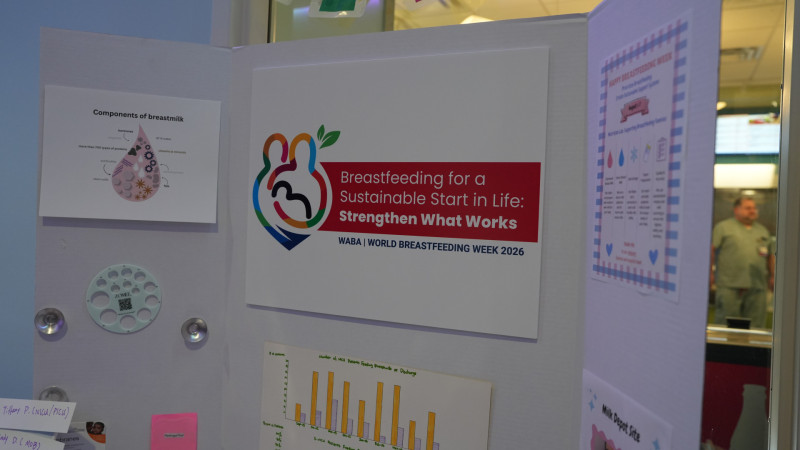
Breastfeeding supplies optimal nutrition, immunological protection and dynamic biological benefits tailored to infant development and distinct long-term health benefits for mothers.
“We support breastfeeding moms by standing in as a village,” said Pullom.
That village includes a multidisciplinary team in the NICU, including lactation consultants, dietary staff, speech-language pathologists (SLPs), social workers, and clinical therapists, who support mothers through every step of their feeding journey.
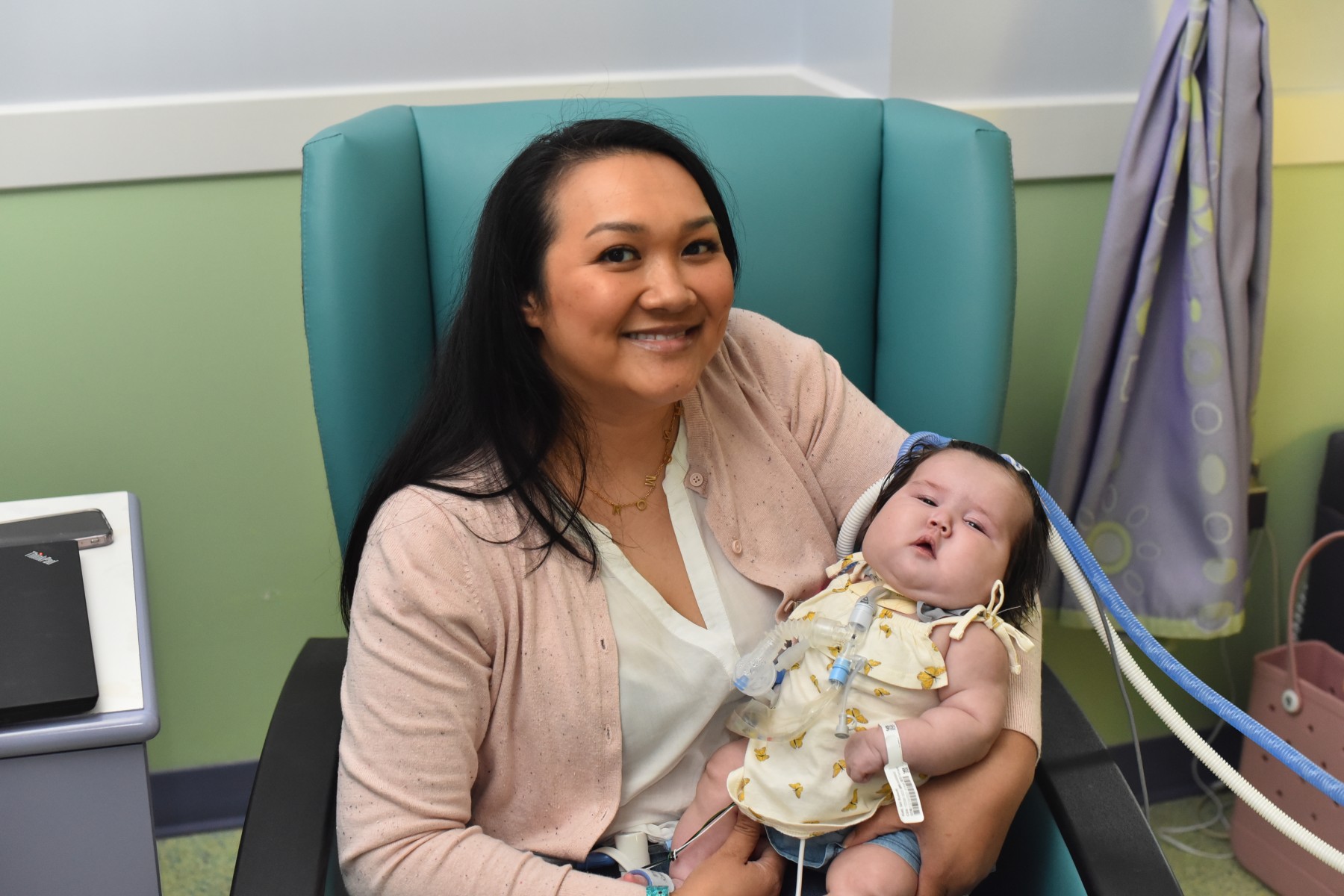
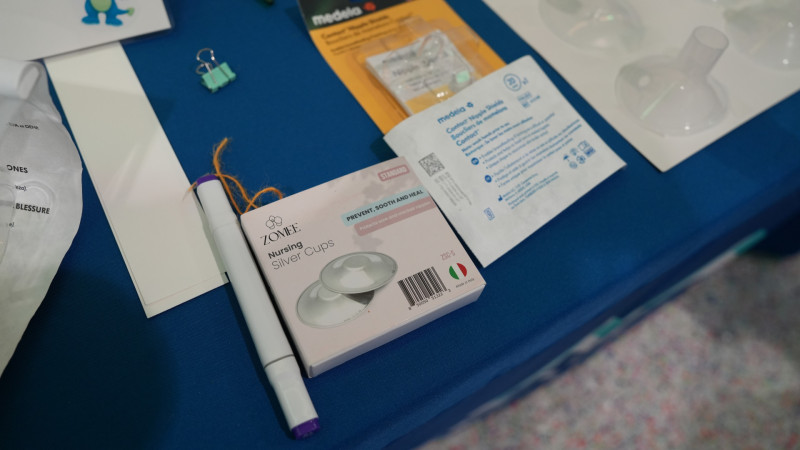
To make that journey as comfortable as possible, each NICU patient has a private room equipped with an individual bathroom, a hospital-grade breast pump, a refrigerator for breast milk storage, milk warmers and essential pumping supplies to help moms improve and maintain adequate breast milk production.
“Breastfeeding takes a lot of practice in the beginning as you are learning to position your baby and latch them correctly,” said Kimberly Guthrie, lactation consultant. “Sometimes parents feel overwhelmed during this time, but we encourage them to keep practicing and ask for help if needed.”
Lactation consultants provide hands-on assessments, education, support, and resources related to technique and to moms' needs. While at the medical center the dietary staff supports moms’ nutrition by providing meals, beverages, and snacks.
“Breastfeeding can be hard, but the help is out there,” said Yueyang Yang, a lactation consultant. “New parents do not have to be alone on their breastfeeding journey.”
Most insurance plans cover up to six outpatient lactation appointments.
Recognizing the connection between emotional well-being and physical health, clinical therapy, social work, and case management teams help ease the stress that often accompanies an inpatient hospital stay.
“We know that stress mitigation is an important factor in breast milk production,” Pullom said. “That’s why each NICU room is equipped to provide some of the comforts of home.”
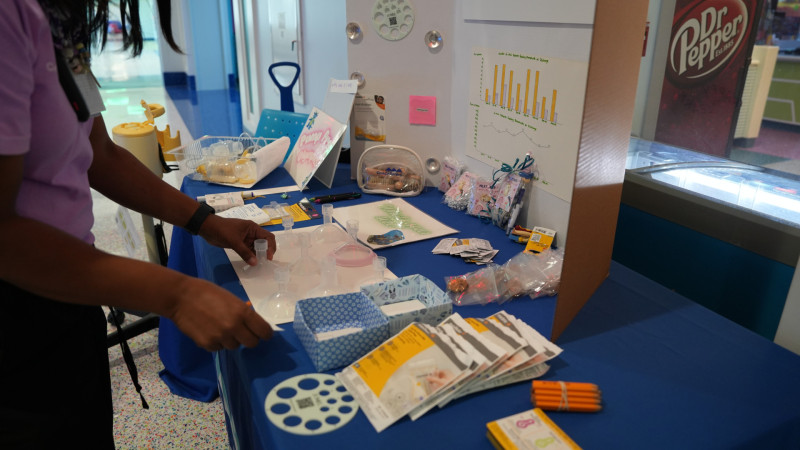
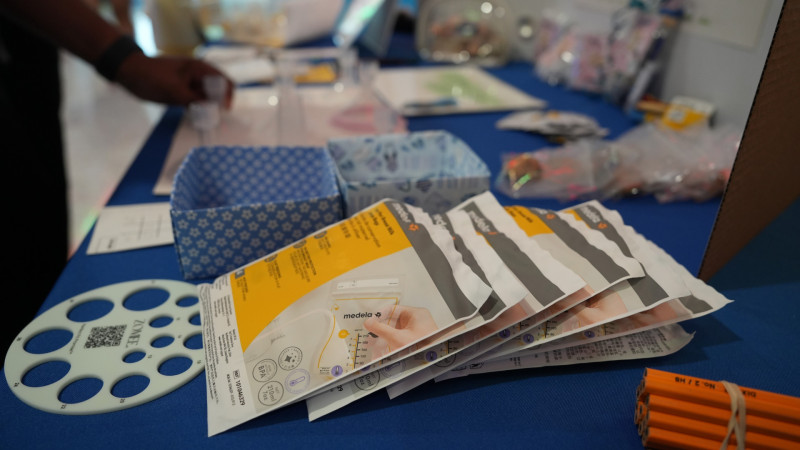
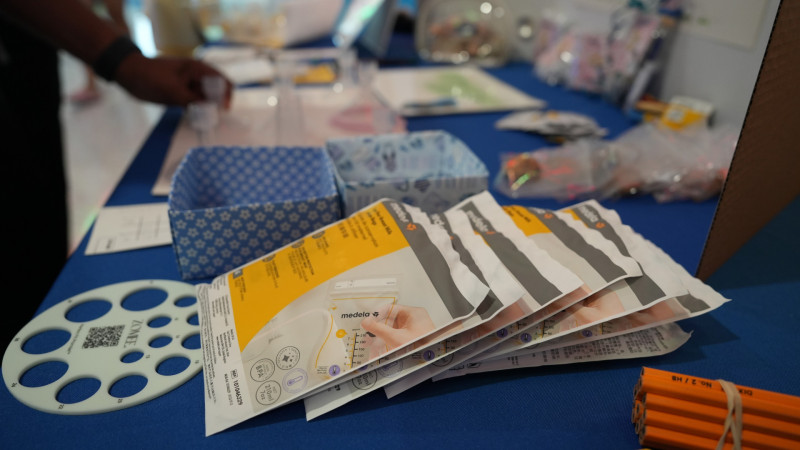
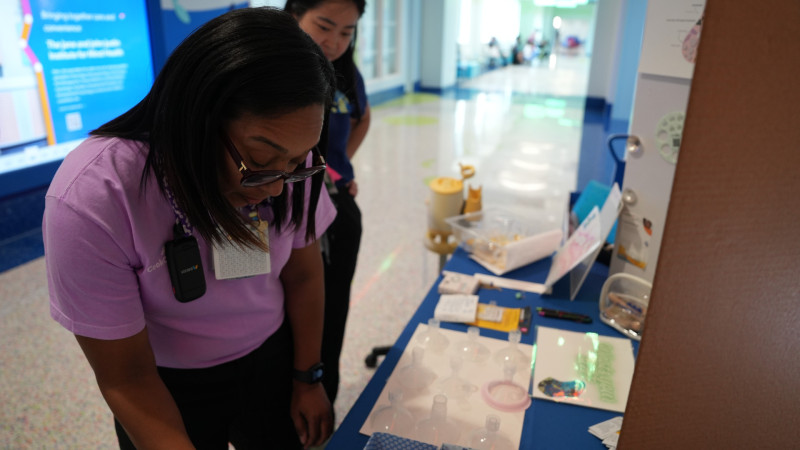
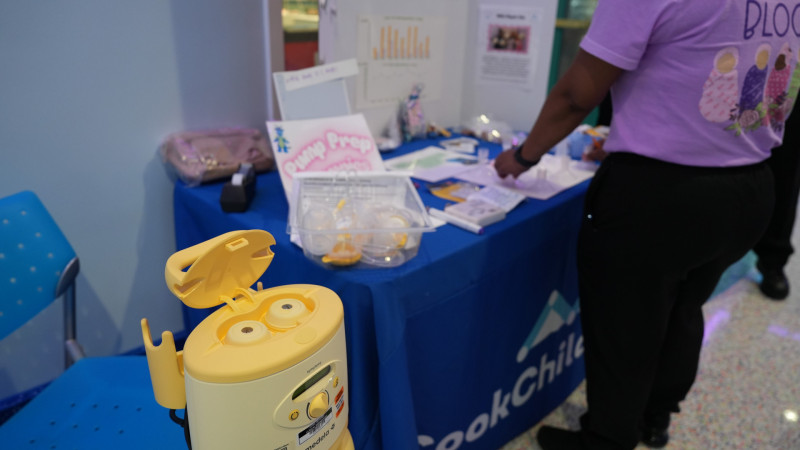
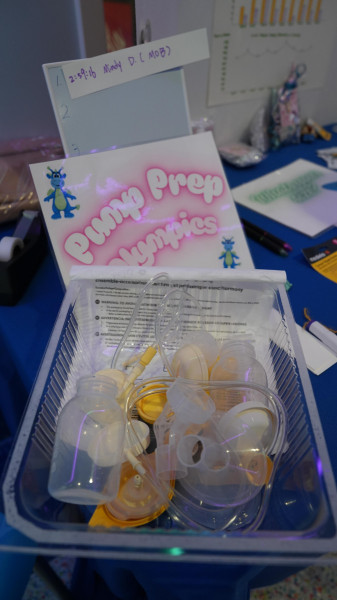
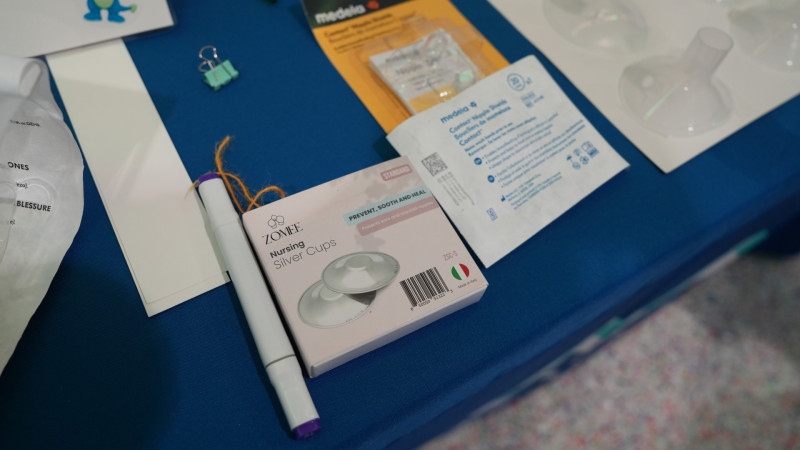
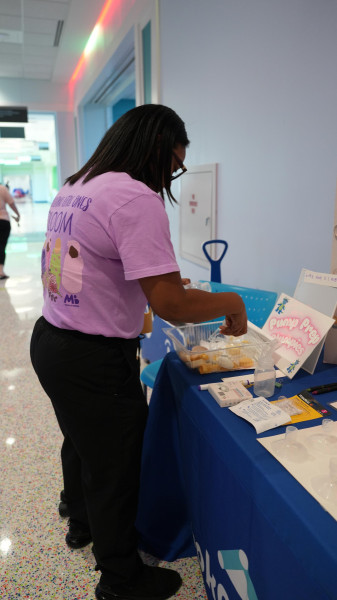
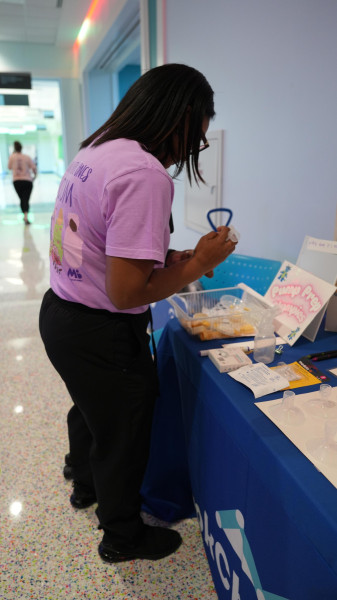
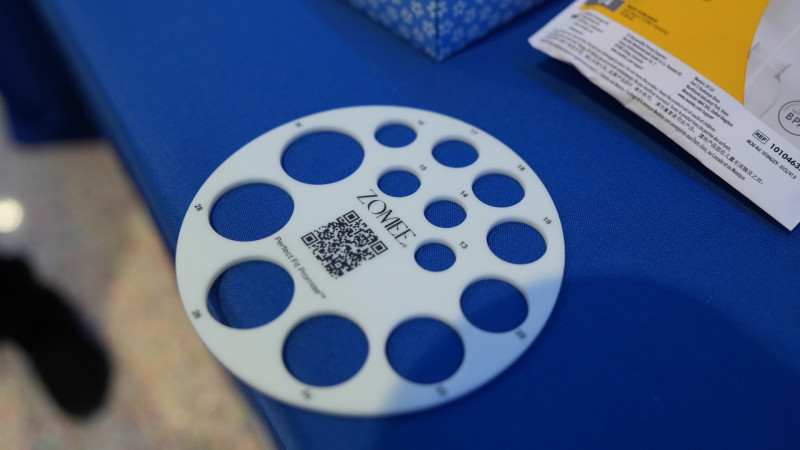
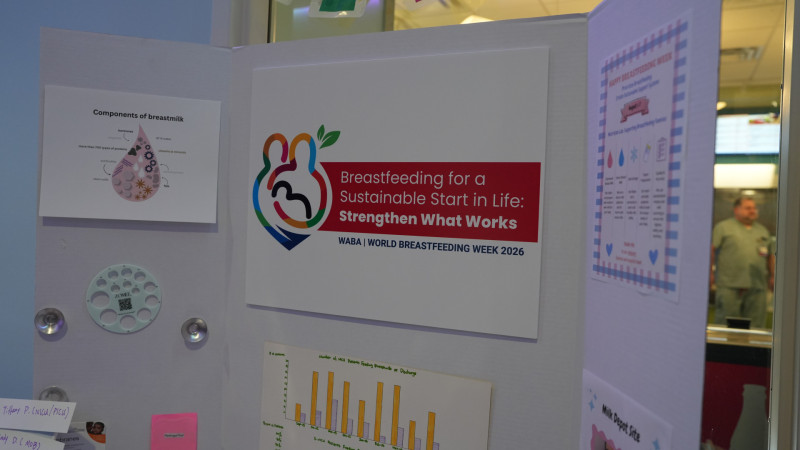
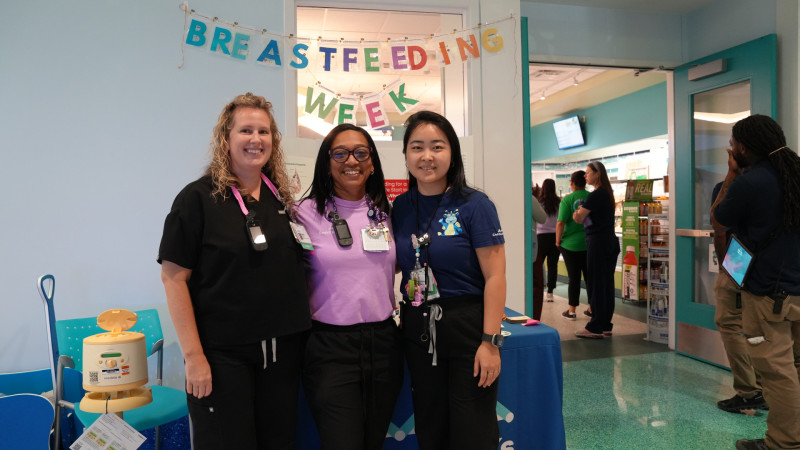
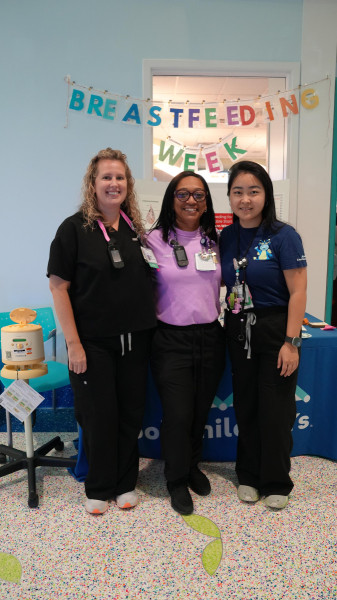
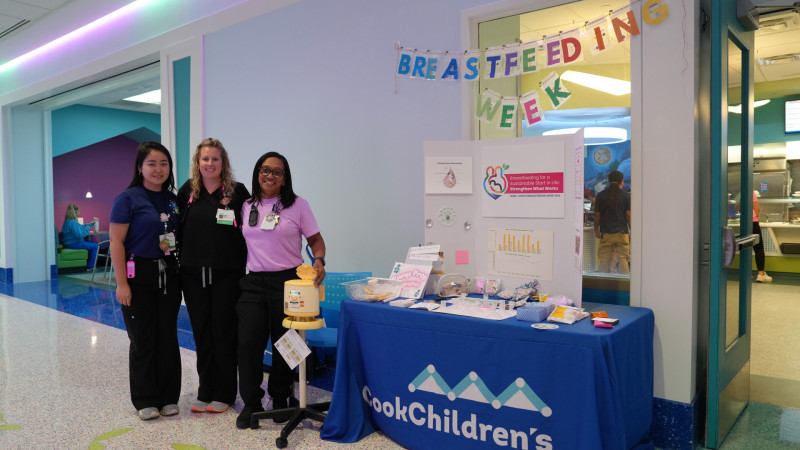
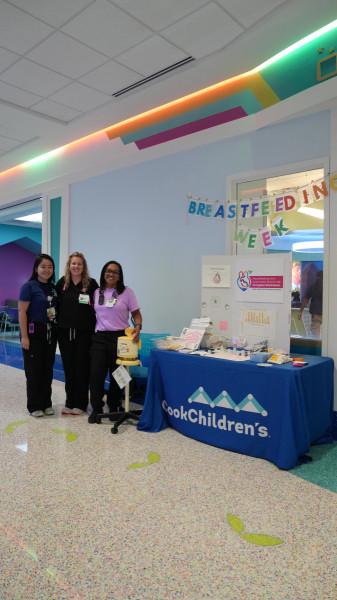
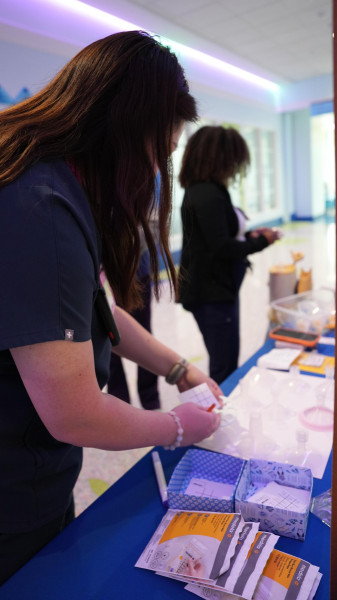
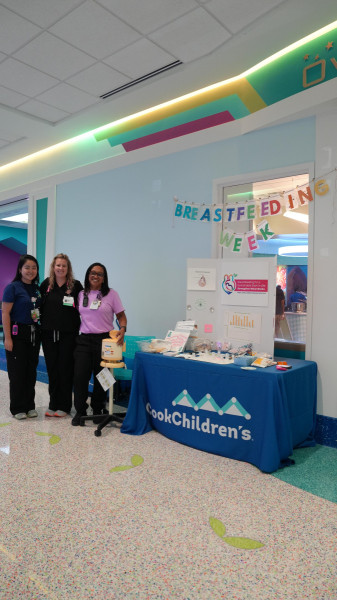
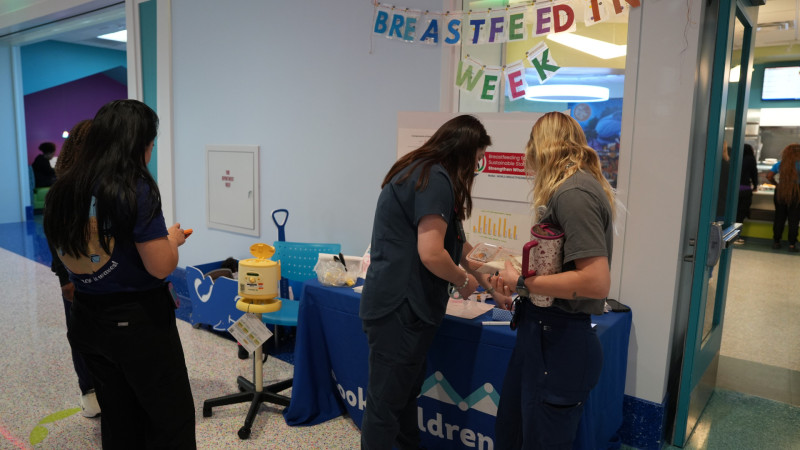
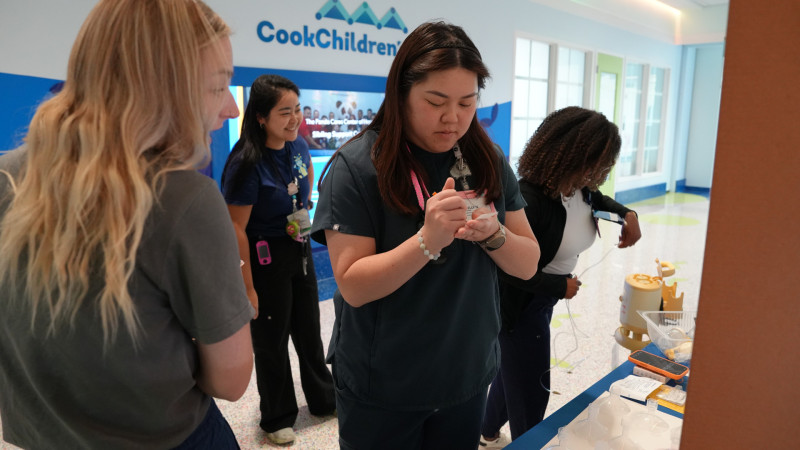
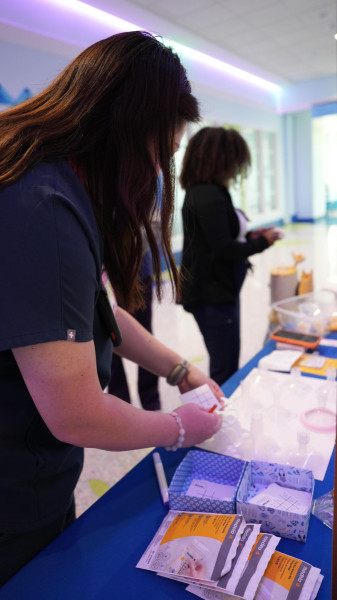
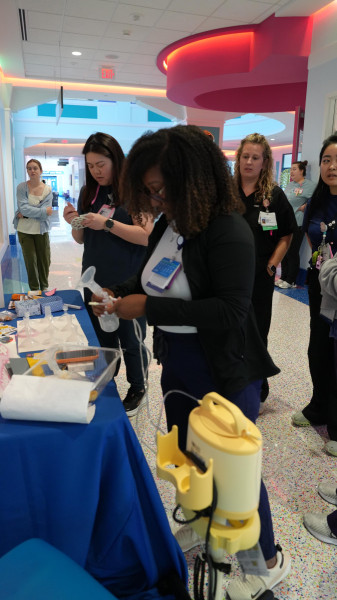
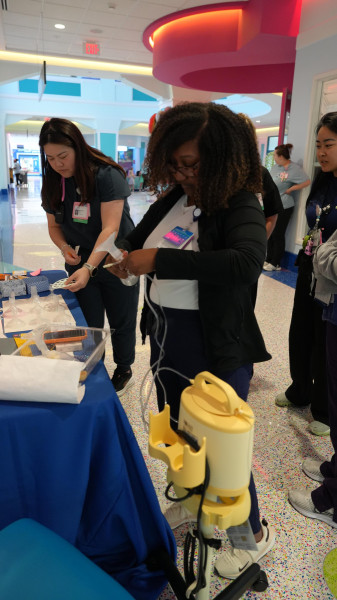
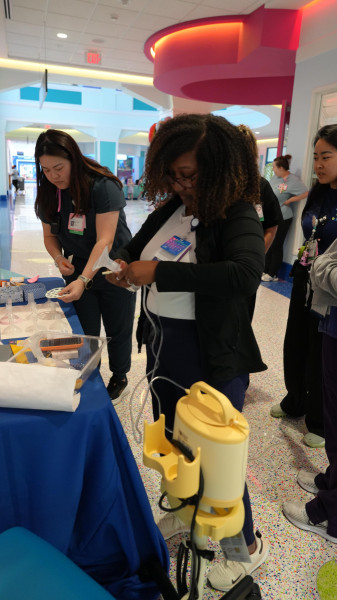
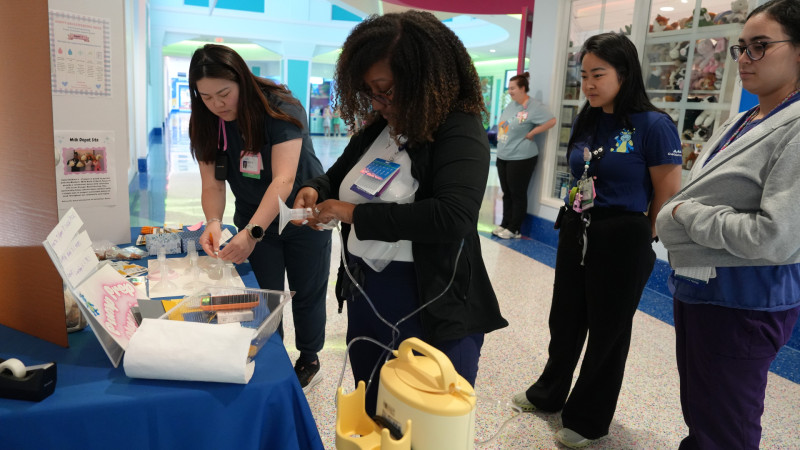
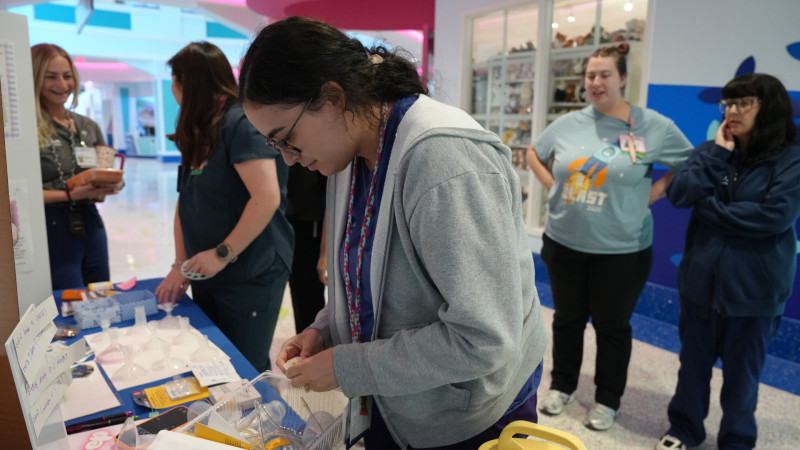
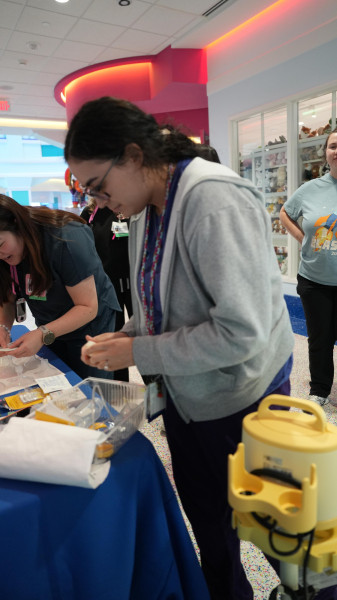
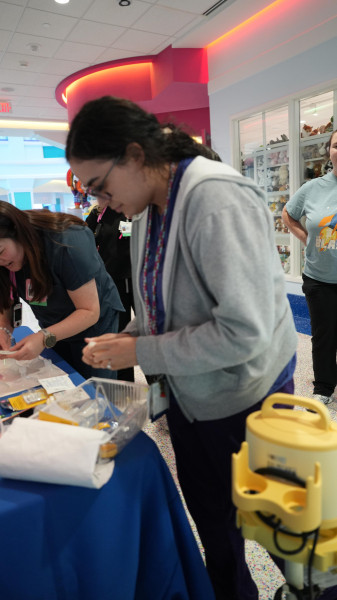
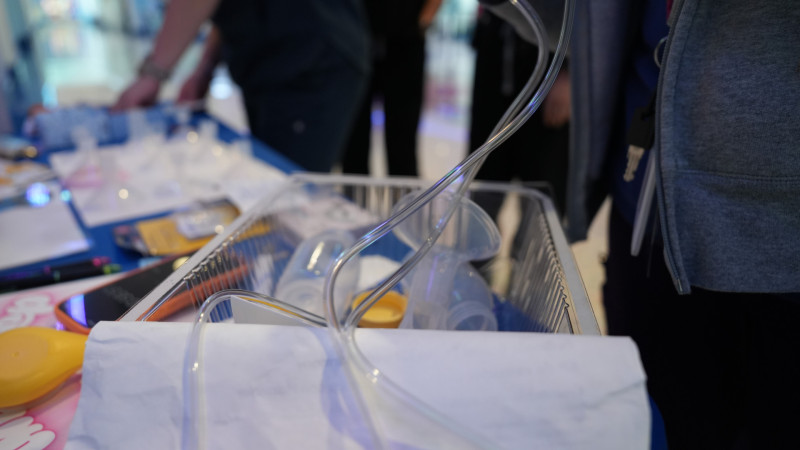
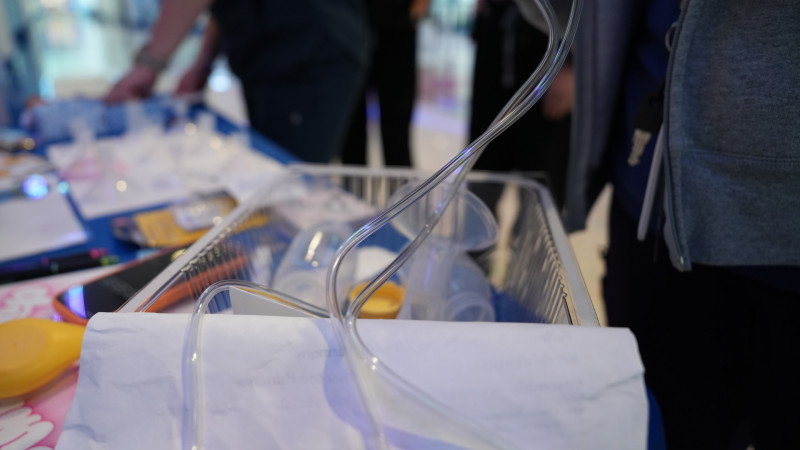
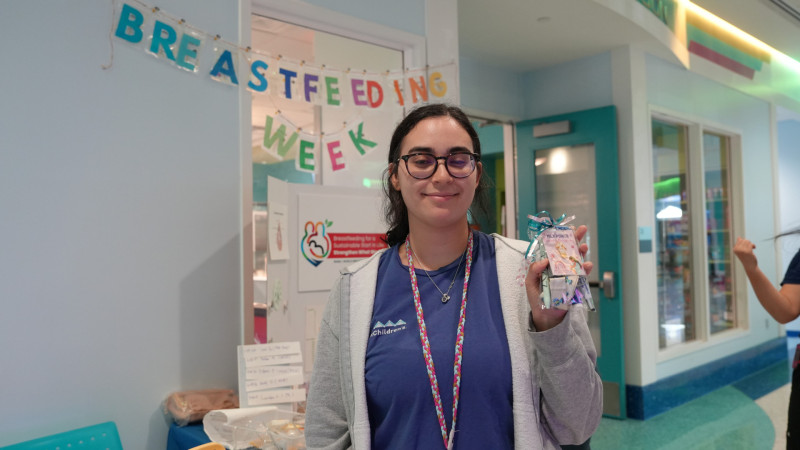
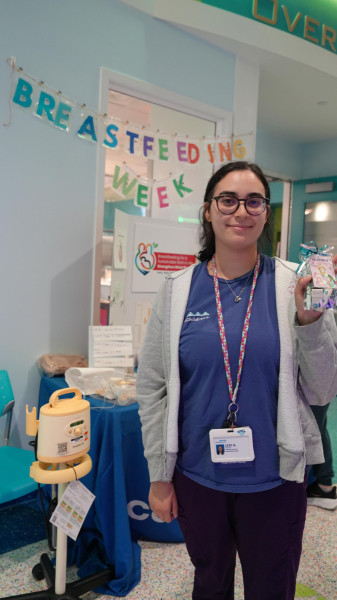
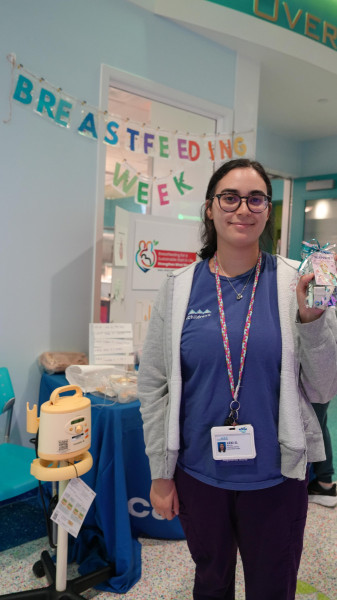
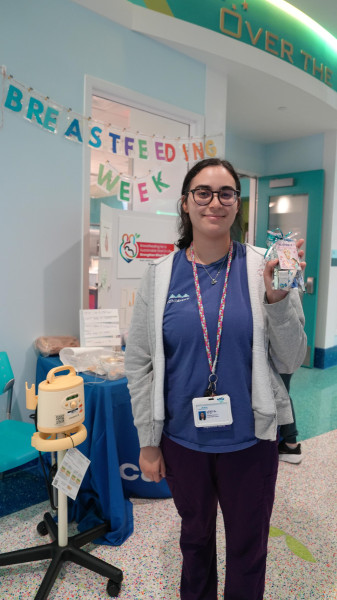
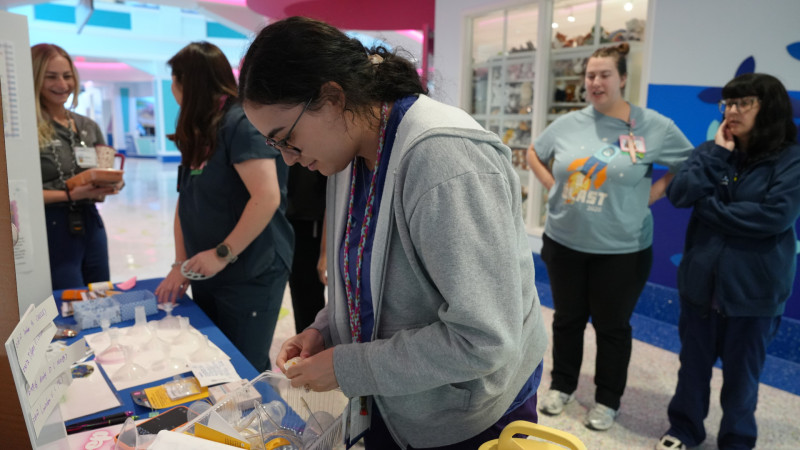
The NICU team also celebrated mothers during National Breastfeeding Month with interactive activities, ranging from a timed contest to assemble a breast pump to guessing the correct flange size.
 Ongoing support
When concerns arise about a baby’s ability to latch or safely feed, an SLP consults with the patient to assess anatomy or swallowing function. The SLP works alongside the NICU team to develop a plan to ensure the child receives appropriate nutrition.
Pullom explained that the radiology department may also conduct a video swallow study to gain a clearer picture of what occurs during feedings. Meanwhile, clinical dietitians partner with neonatology providers to ensure infants receive sufficient calories to support ongoing growth and development.
“For NICU babies, I have seen the impact of being provided breast milk, even for a couple of days or weeks, on their growth, development, and overall trajectory during hospitalization and beyond,” said Megan Almond, an SLP.
Because breastfeeding can be a complex process, individualized goals and care are essential.
“Every feeding journey must adapt to the unique clinical, physical, and emotional realities of breastfeeding,” said Leekelli Kennedy, a clinical dietician, “The primary goal is to provide safe and adequate nutrition that supports infant growth and family well-being.”