Safe Sleep for Children, and Their Caregivers, with Dr. Ramon Kinloch
Few topics generate more questions from caregivers than sleep. From bringing home a newborn to navigating toddler bedtime battles, families often wonder if they're doing the right thing and how much sleep everyone should be getting. In this episode of For Kids' Sake, Ramon Kinloch, M.D., pediatrician at Cook Children's, discusses safe sleep recommendations, common sleep mistakes, sleep routines and how caregivers can protect both their child's safety and their own well-being during those exhausting early years.
Q: What does a safe sleep environment look like for a newborn?
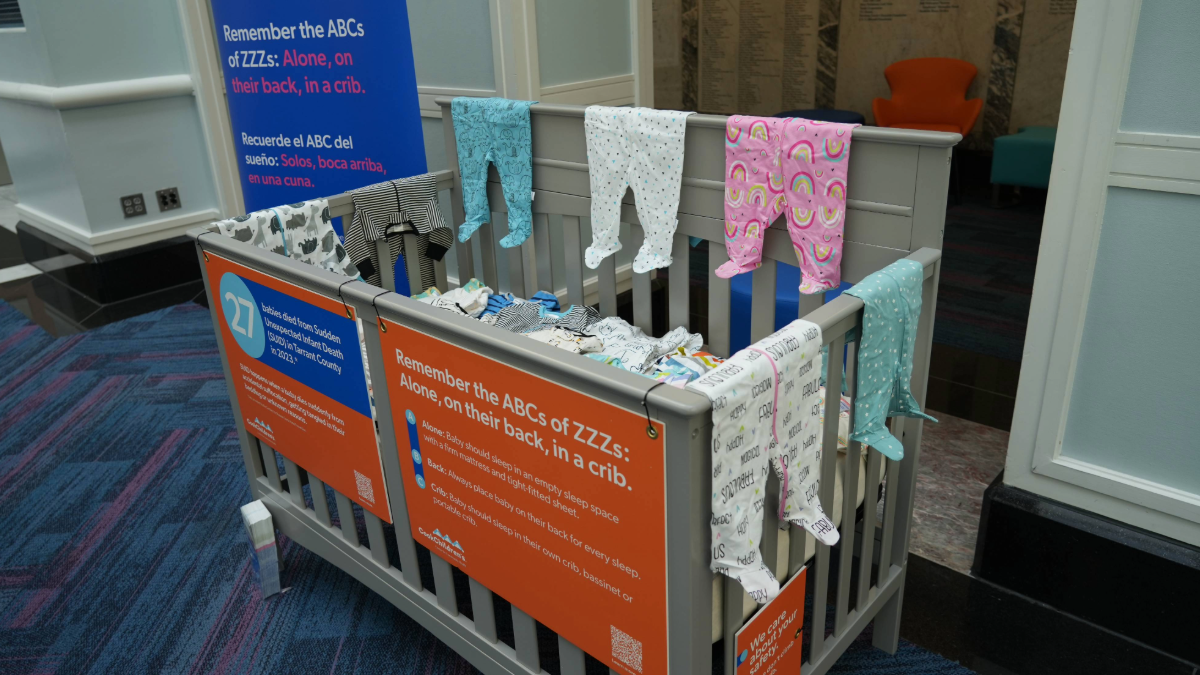
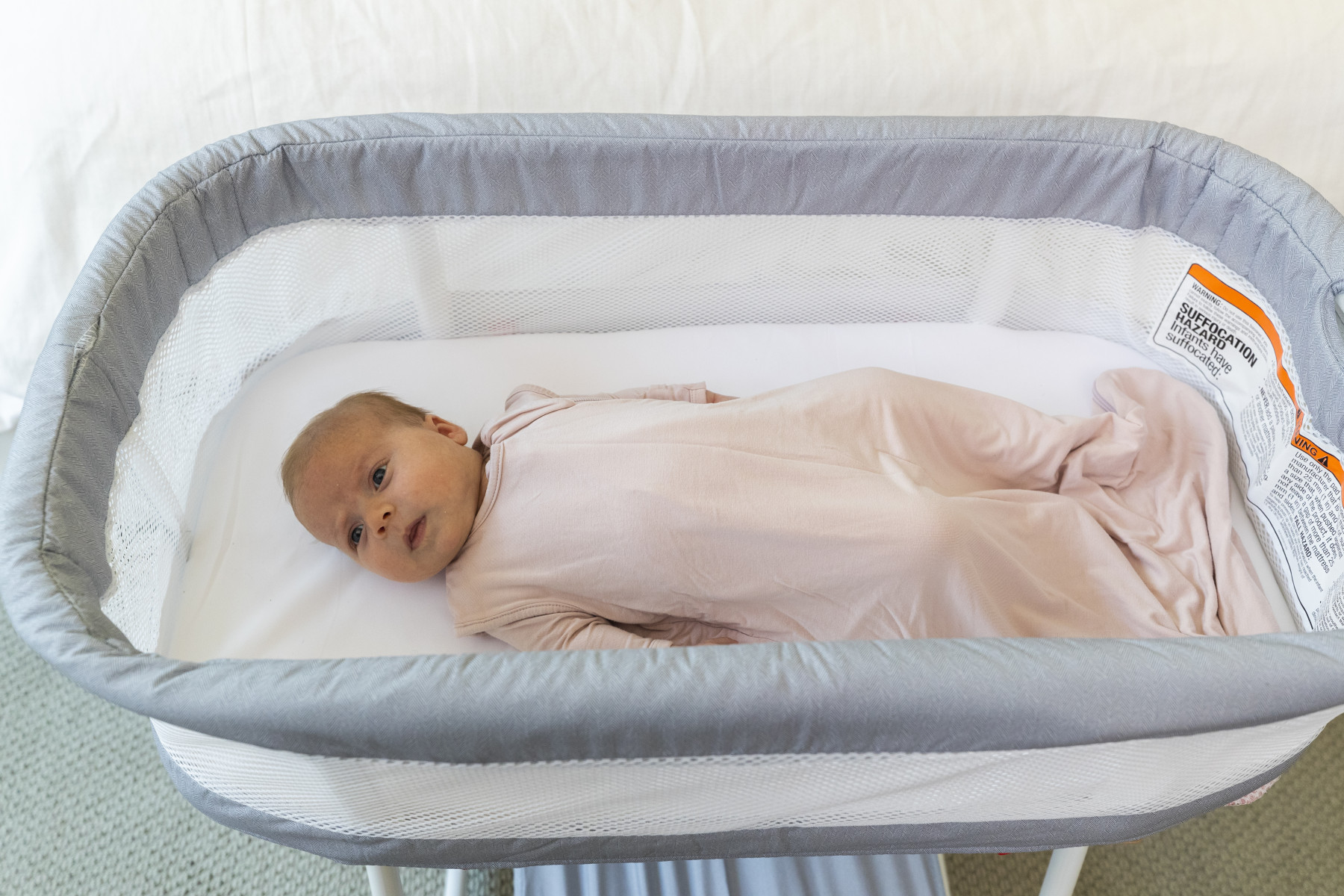
Dr. Kinloch: Safe sleep should be simple and honestly a little boring. A newborn should sleep:
- Alone
- On their back
- In a crib or bassinet
- On a firm mattress with a fitted sheet
That means no pillows, blankets, stuffed animals or other loose items in the sleep space.
Q: What about blankets?
Dr. Kinloch: Newborns should not sleep with blankets. Loose bedding can create suffocation and strangulation risks, which is why pediatricians recommend keeping the sleep environment completely clear.
Q: When is it time to stop swaddling?
Dr. Kinloch: As soon as babies start showing signs that they may roll over. If they're beginning to roll during tummy time, it's time to stop swaddling. Once they're actively rolling and pulling up, caregivers should also move them from a bassinet to a crib if there is a risk of falling.
Q: Why is bedsharing discouraged?
Dr. Kinloch: Bedsharing increases the risk of Sudden Infant Death Syndrome (SIDS) and other sleep-related deaths. Several factors can increase risk, including:
- Caregiver fatigue
- Alcohol use
- Certain medications
- Prematurity
- Tobacco exposure
- Sleeping on couches or recliners
In fact, sleeping with an infant on a couch or recliner is among the highest-risk situations.
Q: If babies love sleeping on caregivers, what should families do?
Dr. Kinloch: It's perfectly normal for newborns to want to be held. Caregivers should respond when infants cry, especially during the early weeks and months. Holding, comforting and responding to babies is not creating bad habits. As children grow, families can begin gently encouraging self-soothing while continuing to respond to their needs appropriately.
Q: What should caregivers know about newborn sleep patterns?
Dr. Kinloch: Babies are active sleepers. They grunt, wiggle, move and make noises throughout the night. Not every sound means they need intervention. Sometimes pausing briefly before immediately picking a baby up allows them to settle themselves back into sleep.
Q: How does safe sleep change as children become toddlers?
Dr. Kinloch: The focus shifts. With infants, we're protecting them in the sleep environment.
With toddlers, we're protecting them from themselves. That means:
- Lowering crib mattresses
- Securing furniture to walls
- Covering outlets
- Removing cords and hazards
- Transitioning to toddler beds when climbing begins
Q: When should families talk to their pediatrician about sleep concerns?
Dr. Kinloch: Anytime sleep is affecting a family's quality of life. Other warning signs include:
- Breathing problems while sleeping
- Color changes
- Persistent unusual movements
- Loud snoring
- Pauses in breathing
- Excessive daytime fatigue
- Chronic mouth breathing
If something feels off, it's always appropriate to check with your pediatrician.
Q: What about sleep aids?
Dr. Kinloch: Families should always talk with their pediatrician before starting sleep products or supplements. Not every product has strong evidence behind it, but providers can help families weigh risks and benefits.
Q: What's the best way to build healthy sleep habits?
Dr. Kinloch: Consistency. Whether it's bath, book and bed, dimming lights at the same time every evening or creating a calming bedtime routine, consistency helps children learn what to expect.
It may not work overnight, but routines become powerful over time.
Final Thoughts
Dr. Kinloch: Safe sleep is about more than where a baby sleeps. It's also about making sure caregivers have support when they're exhausted. Ask for help. Give yourself grace. Create safe sleep environments. That's one of the most important families can do.