Expert Tips for a Safe Spring Break: Poison Prevention
As Spring Break approaches, Cook Children’s Health Care System is launching a safety series to provide caregivers with essential advice on road trips, poison prevention, and water safety. As pediatric health care experts, the Cook Children's team knows that protecting a child's health is about more than treating illness it’s about preventing emergency room visits due to avoidable injuries.
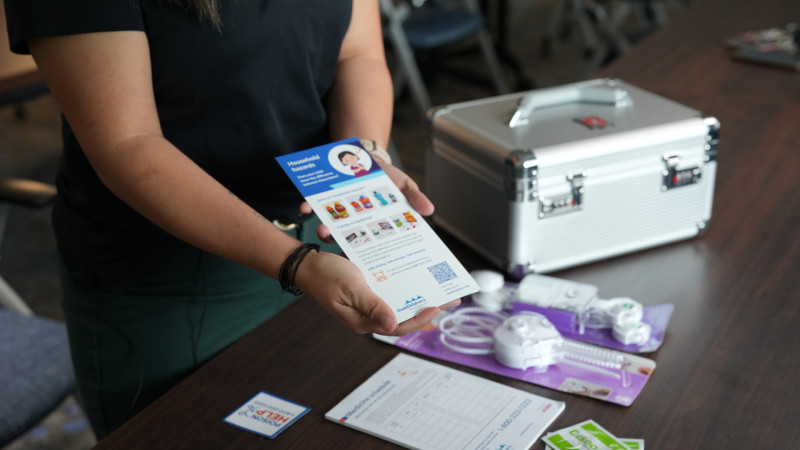
March marks spring break for families and it is Poison Prevention Month. According to the 2024 Community Health Needs Assessment, one in two children live in homes where medications are not always locked up and four in seven children live in homes where cleaning products are not always stored in a locked area.
“Unintentional poisoning can happen to anyone, at any age,” said Klaressa Broughton, poison prevention program coordinator at the Center for Community Health.
In 2025, Cook Children’s saw an increase of poisoning encounters, with 1,031 compared to 818 in 2024. Broughton explains that the top poisoning for 2025 involved children of all ages from birth to 18 and were related to medication and unspecified non-drug poisonings.
“By practicing Safe Dosing, Safe Storage, and Safe Disposal, you can create layers of protection for your household,” said Broughton.
She adds having conversations with friends, caregivers and family can ensure kids stay safe while they explore someone else’s home. She suggests opening the conversation with: “Since the kids are at the “into everything stage”, do you mind if we double-check that medications and cleaners are out of reach?”
Tips for Poison Prevention:
Safe Medication Dosing
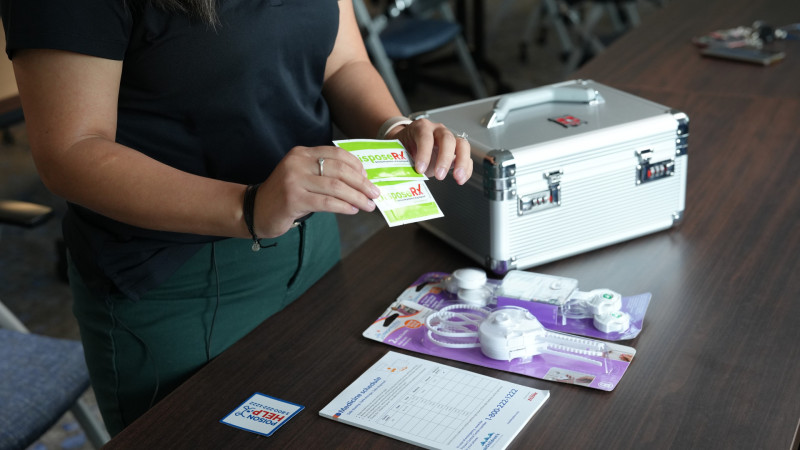
- Follow the dosing directions listed on the medication by using the appropriate measuring items, such as a medicine cup or oral syringe.
- Double dosing is NOT twice as effective, and in many instances can cause internal damage.
- Adult medications may be too strong for children and should not be given in half doses. Only give medicine to your child that is intended for children.
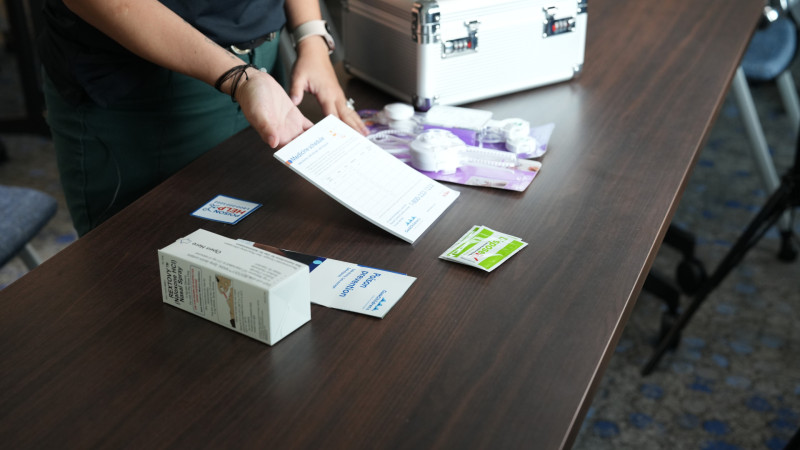
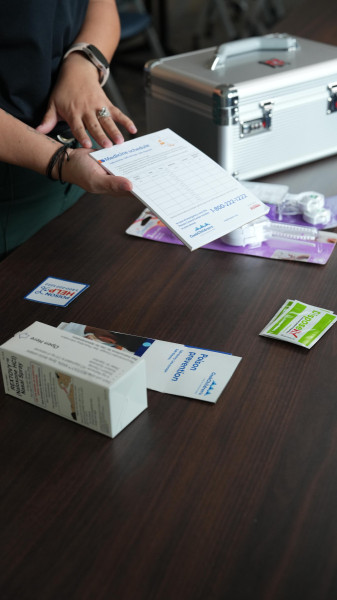
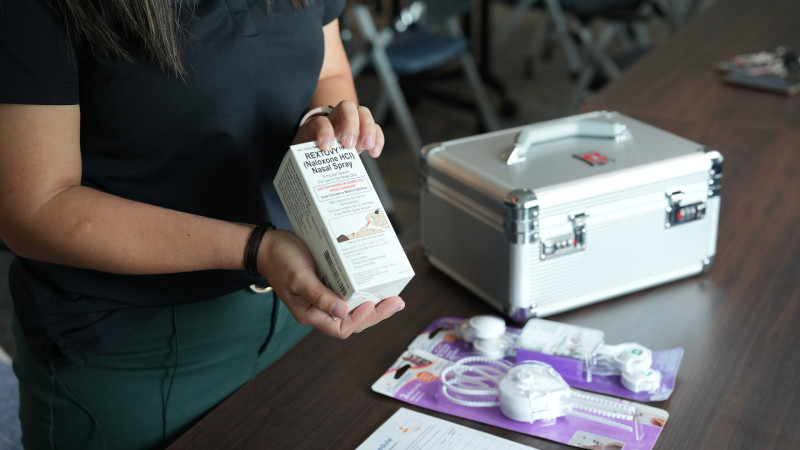
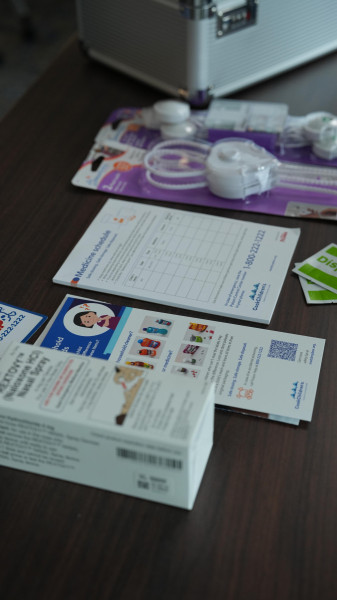
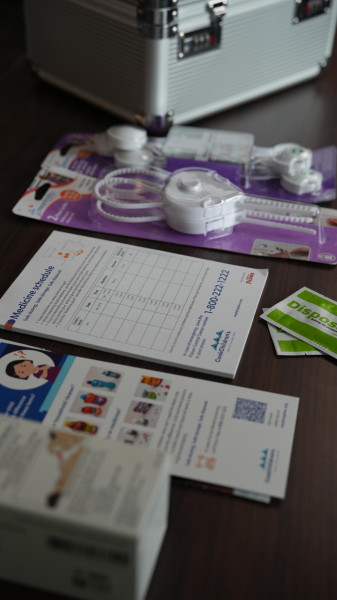
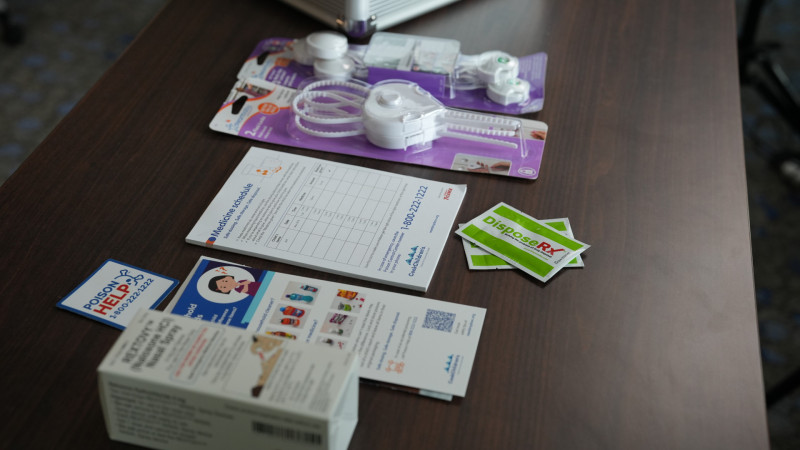
- Print the medication schedule to keep the right dosage for your family.
Safe Storage
- Many people leave medications on bathroom and kitchen counters as well as bedroom nightstands as a visual reminder to take them. Avoid unintentional injury and store medication up high, locked, and out of reach.
- Hang purses and personal bags up high so children cannot reach prescriptions, vitamins, or other regularly used medications.
- Remember, when visiting friends and family, it is ok to have an open discussion about safe storage.
Safe Disposal
- DEA Drug Take Back Day is on April 25th from 10 a.m.-2 p.m.
- Visit a medication drop box at a local pharmacy. For more information on poison prevention, visit www.meddropbox.org.
- The best disposal option is to find a drug take-back location, which may be found in retail, hospital, pharmacies, and/or law enforcement facilities.
- Removing any unused or expired medication in the home can reduce the risk of access.