Expert Tips for a Safe Spring Break: Water Safety
As spring break approaches, Cook Children’s Health Care System is launching a safety series to provide caregivers with essential advice on road trips, poison prevention, and water safety. As pediatric health care experts, the Cook Children's team knows that protecting a child's health is about more than treating illness it’s about preventing emergency room visits due to avoidable injuries.
Drowning is the leading cause of injury, with children between the ages 1 to 4 at the highest risk. According to the 2024 Community Health Needs Assessment, Cook Children’s Medical Centers in Fort Worth and Prosper treated 224 drowning-related injuries from 2021 to 2023. These incidents occurred in bathtubs, open water (lakes, rivers, and ponds), and pools or hot tubs.
“Spring break is really our kind of entry point of getting back into the water,” said Jillian Mitchell, program coordinator for the injury prevention team at the Center for Community Health.
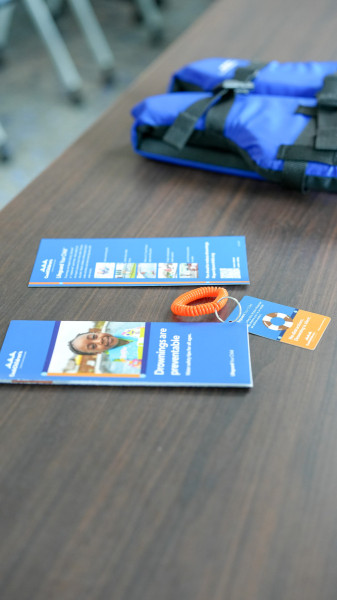
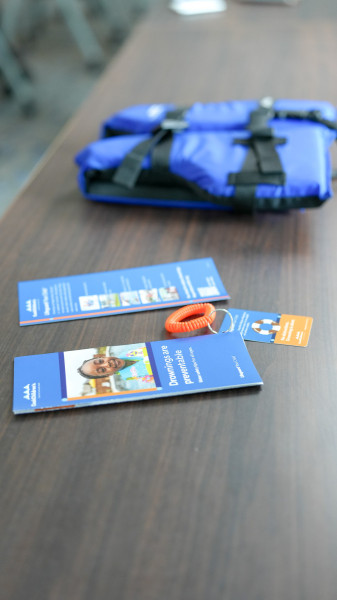
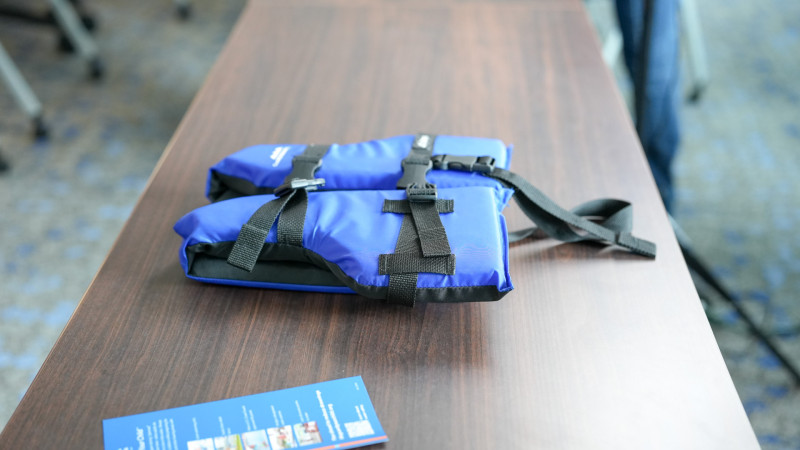
Cook Children’s Loaner Life Jacket Station provide five different sizes of U.S. Coast Guard approved life jackets, ranging from infant to adult, that can be borrowed and returned. The goal is to make sure no child or adult drowns at a public lake because they didn’t have access to a life jacket. In 2025 more than 1,800 U.S. Coast Guard life jackets to area lakes in Tarrant, Denton, Rockwall, and Stephens counties.
Mitchell encourages families and caregivers to make a plan before heading to the water. The “Lifeguard Your Child” program teaches parents how to create a safety plan for children anytime they are around water.
According to data from the Community Health Needs Assessment, 85% of drowning-related injuries were pool-or hot tub-related. Of those 8% were fatal, with most fatalities occurring with children ages 0 to 4.
While many public and community pools are not yet open, families may travel to lakes, rivers, or oceans.
“Open water behaves differently than in a pool,” explained Mitchell, “It's dark. It's deep, it's murky. Anyone that is on a lake or a river or in the ocean should wear a life jacket all the time because it is an unpredictable water source.”
The American Academy of Pediatrics recommends kids begin swim lessons as young as 1 year old.
Mitchell shares these tips for families heading to the water for their spring break:
Learn about the flag system when you go out to the beach.
- Sit near a lifeguard if there is one present.
- Look for a life jacket that's approved by the U.S. Coast Guard.
- Spring break is a great time to pull out those life jackets from last year. You may find that your child has outgrown the life jacket.
- Make sure that your children know they should always ask permission before going to the water.
Related Stories:
Lifeguard Your Child ™ Campaign
Cook Children's Lifeguard Your Child Campaign encourages parents everywhere to create a safety plan for ANY time their children are around water—whether its swim time, unplanned time around water, or even bath time. Water safety is important at any age, and when it comes to drowning, every second counts. It’s silent and can happen in an instant. Drowning is the leading cause of death for children ages 1 to 4, and the second leading cause for kids ages 1-14 in Texas. But with your help, we can change that. Together, we are asking everyone to Lifeguard Your Child around water. Click here to learn more about how to get involved or create an awareness campaign in your community.