

Prepping Little Fans for Major Crowds
From deafening cheers to the crushing disappointment of a loss, major sport events are a whirlwind of sensory triggers and high stakes. Use these tips to help children trade game day jitters for game day joy.

There is nothing quite like the roar of a crowd when a team scores, but for a child used to a quiet living room, that noise can feel like a thunderstorm. With a major international soccer tournament coming to North Texas, Cook Children’s Health Care System wants to help parents ensure their tiniest fans are mentally and emotionally prepared for the excitement, noise and intensity of a soccer game in an 80,000-seat stadium.
Big Crowds Anxiety
Excitement and anxiety can sometimes look similar in children before a major event. A child with “excited jitters” may still eagerly talk about the game and respond well to reassurance, while a child experiencing genuine anxiety may become consumed by worry or even try to avoid attending altogether.
Physical symptoms can also appear in anxious children, including headaches, stomachaches and trouble sleeping leading up to the event.
“Excited jitters usually come and go, but anxiety tends to stick around and interfere with daily routines,” said Amanda Jordan, PsyD, psychologist with the Cook Children’s Psychology Department.
Preparing children ahead of time by showing them videos or photos of the stadium, discussing what they can expect and creating a clear game-day plan, can help prevent anxiety symptoms. Parents can also use “first-then” language to help children mentally organize the experience.
For example: “First we’ll find our seats, then we’ll get a snack.”
Families can also benefit from creating a safety plan before arriving at the venue, including identifying meeting spots and teaching children how to find stadium employees for help. Creating a funny family code word for moments when a child feels overwhelmed can also ease stress and remind children it’s okay to ask for a break.
Stadiums Sensory Impact
For many children, sport venues can overload the senses with bright lights, loud music, strong smells and tightly packed crowds. Dr. Jordan says sensory overload can trigger the body’s “fight, flight or freeze” response, making emotional regulation difficult. Children experiencing sensory overload may become irritable, restless or emotional. Others may withdraw, stop talking, cry or struggle to make decisions.
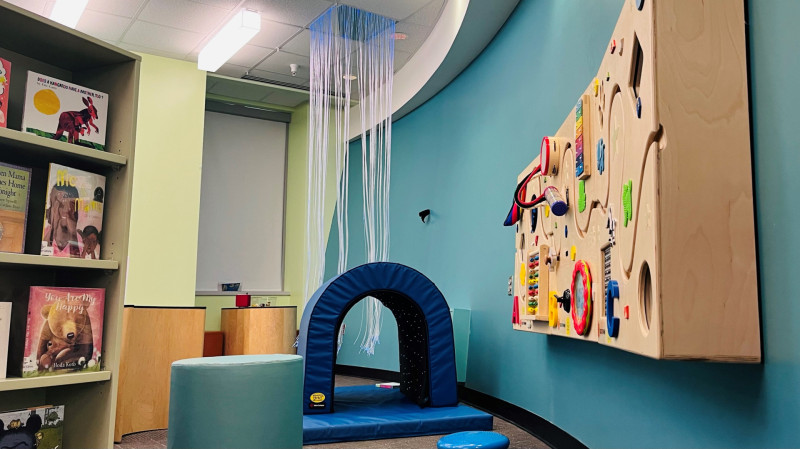 Several sport venues, especially the newest stadiums, now feature dedicated sensory rooms or quiet spaces designed to help guests decompress. Dr. Jordan encourages parents to research venues ahead of time to learn what accommodations are available and where they are located.
Even if a stadium does not offer a formal sensory room, quieter areas such as patios, hallways or less crowded sections may provide children with a chance to reset before returning to the event.
“These spaces can help lower anxiety and give children a place to regulate during stressful moments,” Dr. Jordan said.
Behavioral Challenges
Emotional outbursts during games can happen when children become overstimulated or overwhelmed. In those moments, Dr. Jordan says parents should focus less on discipline and more on helping children feel safe and calm. Getting down to the child’s eye level, speaking in calm tone and validating the child’s feelings can help them decompress and rebalance their emotions.
Parents can also use grounding techniques, such as deep breathing exercise or offering simple choices to help restore a sense of control.
For example: “Would you like to sit with me for a minute, or would you rather go walk around for a little bit?”
Dr. Jordan also encourages families to discuss coping strategies before the event so children know what support may look like if emotions escalate.
The emotional energy inside a stadium can also affect how children interpret social situations. Aggressive reactions from adults or fans may increase a child’s anxiety or sense of insecurity.
“Kids learn how to respond by watching the adults around them,” Dr. Jordan said.
Parents can help by calmly explaining emotional reactions happening around them, such as cheering after a goal or frustration following a penalty call.
Practical Advice
It is recommended to pack a few “mental health essentials” before attending a major sporting event with children.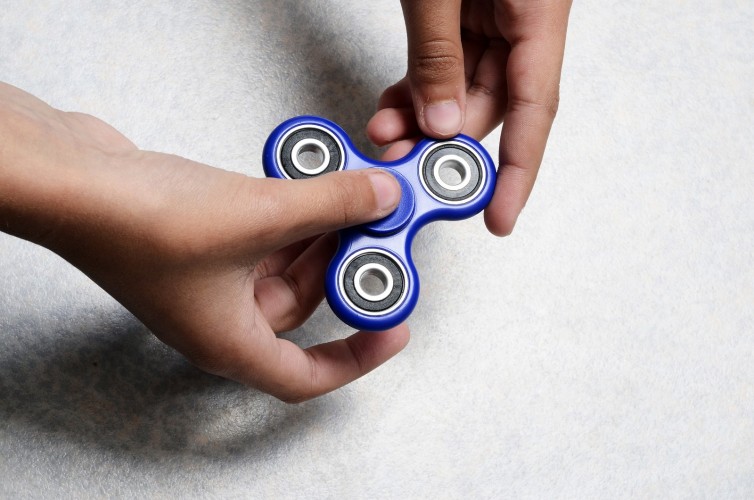
Some of these items can include:
- Noise-canceling headphones, or earplugs
- Comfort items like a soft blanket or a plush toy
- Sensory or fidget toys
- Snacks
These items can help children self-regulate and make the big game day more enjoyable.
Parents should also recognize when it might be time to leave early. If a child cannot recover emotionally after taking breaks or using calming strategies, it is time to prioritize the child’s wellbeing and step away from the event.
It’s also important to emphasize that sensory sensitivities are not limited to children with Autism spectrum disorder (ASD). Children with attention deficit hyperactivity disorder (ADHD), anxiety or trauma histories may also struggle in overstimulating environments.
“Sensory overload can affect many different children – and sometimes even parents too,” Dr. Jordan said.
Related Stories:
As pediatric experts, Cook Children’s Health Care System experts know that protecting a child's health is about preventing emergency room visits just as much as treating illness. Ahead of the major soccer tournament, the system launched "World Cup Wednesday," a weekly healthcare series providing local and international visitors with essential resources on injury prevention, heat safety, water safety and guidance on when to utilize urgent care versus the emergency department.
