

Invisible Barriers in ADHD Detection for Children
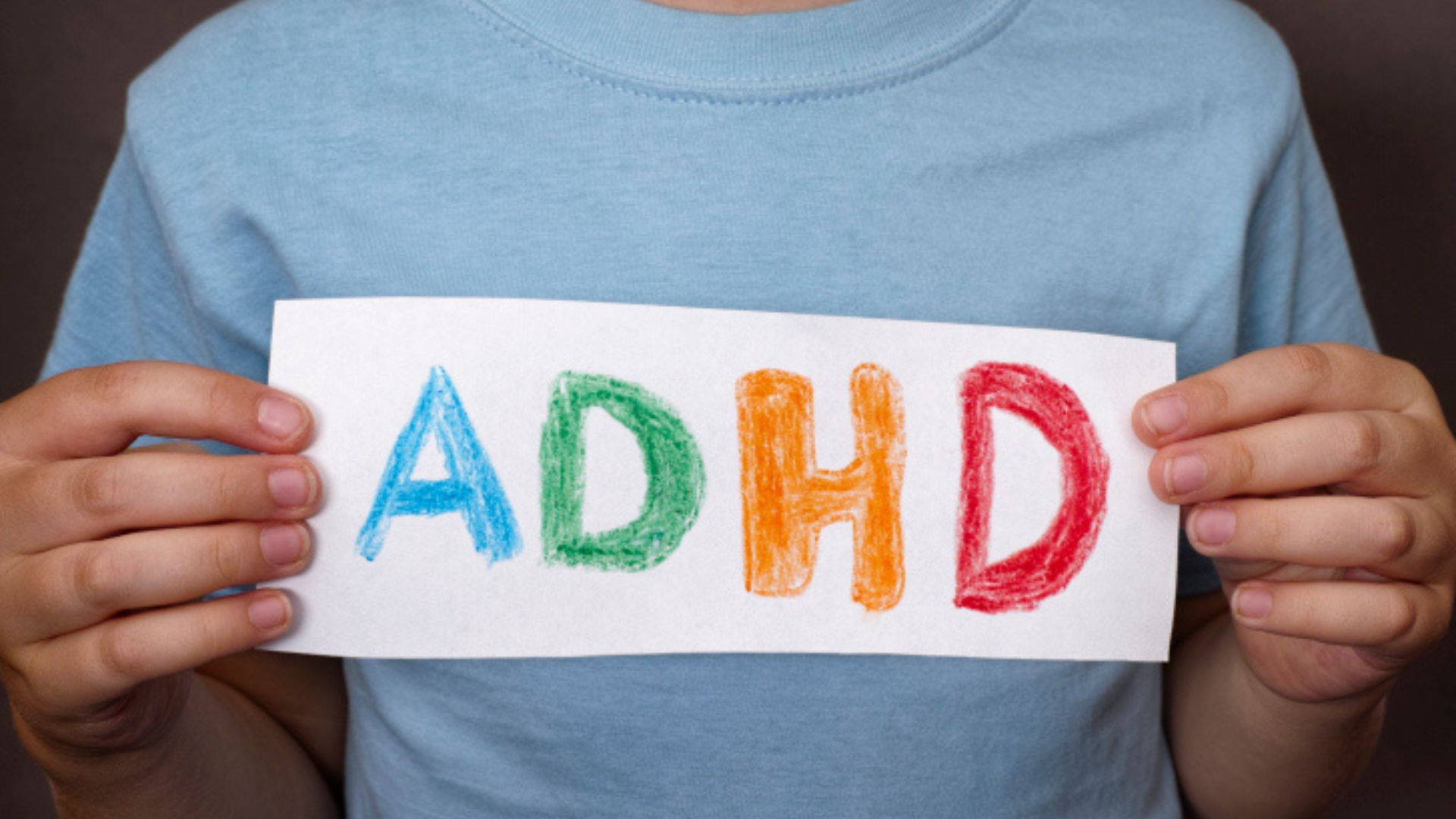
When a child struggles with focus or impulse control, it may point to attention deficit hyperactivity disorder (ADHD), a neurodevelopmental condition that affects attention, behavior and self-control. Because these symptoms are often mistaken for personality traits or a lack of discipline, accessing proper care can be difficult. This is especially true in underserved communities, where cultural beliefs deeply influence how these behaviors are interpreted, diagnosed, and ultimately treated.
In the eight counties served by Cook Children’s Health Care System in North Texas, approximately 237,000 children between the ages of 6 and 17 have received a mental health diagnosis. According to the 2024 Community Health Needs Assessment (CHNA), ADHD remains one of the most reported conditions, affecting children’s educational and social development.
Yet behind those numbers is a troubling reality: not all children have equal access to diagnosis and care. Data provided by the CHNA shows that 18% of Hispanic children and 16% of White children have been diagnosed with ADHD, while only 10% of Black children and 6% of Asian children have received a diagnosis.
“Many parents hesitate to seek therapy or mental health services due to feelings of stigma or guilt. Mental health challenges are common and treatable medical conditions—not a reflection of parental failure,” said Cook Children’s psychiatrist Akemi Watkins, M.D. “Early intervention improves outcomes and many families benefit from the additional support offered through the mental health system.”
Debunking Common Myths
Early diagnosis is crucial to a child’s well-being and overall health. Debunking myths about ADHD and viewing therapy as a proactive strategy are important first steps toward providing children with the care they need, while also making parenting a child with ADHD a bit more manageable.
Some of the most common myths are:
- Myth: “It’s bad parenting.”
Fact: ADHD is not the result of poor discipline; it is caused by differences in brain development and brain activity that affect how children focus, sit still, and behave.
- Myth: “It’s just hyperactivity.”
Fact: While many children are naturally active, ADHD is diagnosed when behaviors significantly impact daily functioning at home and at school.
- Myth: “They’ll grow out of it.”
Fact: ADHD symptoms don’t simply disappear over time. Without support, they can lead to anxiety, academic struggles, and low self-esteem.
Why Early Intervention Matters
An early diagnosis can give children with ADHD the tools they need to succeed academically and socially.
Untreated ADHD is not just a childhood phase that children will “grow out of it”. Without proper support, they may face long-term consequences including higher rates of school absenteeism, grade retention, an increased risk of substance abuse, involvement with the criminal justice system and potential self-harm or suicide.
Early intervention can significantly improve outcomes and provide families with the resources they need to support their child’s well-being.
Mental Health Resources
If you are concerned about a child’s mental health, please reach out to one of these resources or speak to your child’s pediatrician. For Cook Children’s behavioral and emotional resources, click here.
