Childhood Cancer Awareness Month: One Special Birthday to Celebrate
Many children dream of having toys, a cake and colorful balloons for their birthdays, but for a tiny resilient patient at Cook Children’s, her biggest birthday wish was something simple but very significant to her.
No parent can ever truly prepare to hear a cancer diagnosis, especially when their child has been happy and healthy all their life with no indication that such a diagnosis could arrive.
In October 2025, at only 6 years old, Adrienne Avila was diagnosed with Pre-B Acute Lymphoblastic Leukemia, a common type of cancer among children that affects white blood cells. Her mother, April Rodriguez, vividly remembers how devastating it was to hear the diagnosis. She was alone with Adrienne in a hospital room at Cook Children’s Medical Center – Fort Worth.
For almost a year, Adrienne and her family spent much of their time navigating life with Leukemia. But in July 2026, her family faced another frightening chapter when she became seriously ill and was readmitted to Cook Children’s Health Care System, where she spent weeks in the Pediatric Intensive Care Unit (PICU).
“We were in the PICU for 18 days and she was intubated twice during that time,” said April. “The first time she was intubated because she was full of fluid and her heart was working hard. She was good for a day, but shortly after, she went back to how she was and had to be re-intubated.”
As Adrienne’s birthday approached, April worried her daughter would have to celebrate from a hospital bed. Feeling hopeless for a moment, April turned to family and friends through social media, asking them to pray for her daughter, not knowing that her posts would reach people from other states and countries who would begin caring for Adrienne’s health as well.
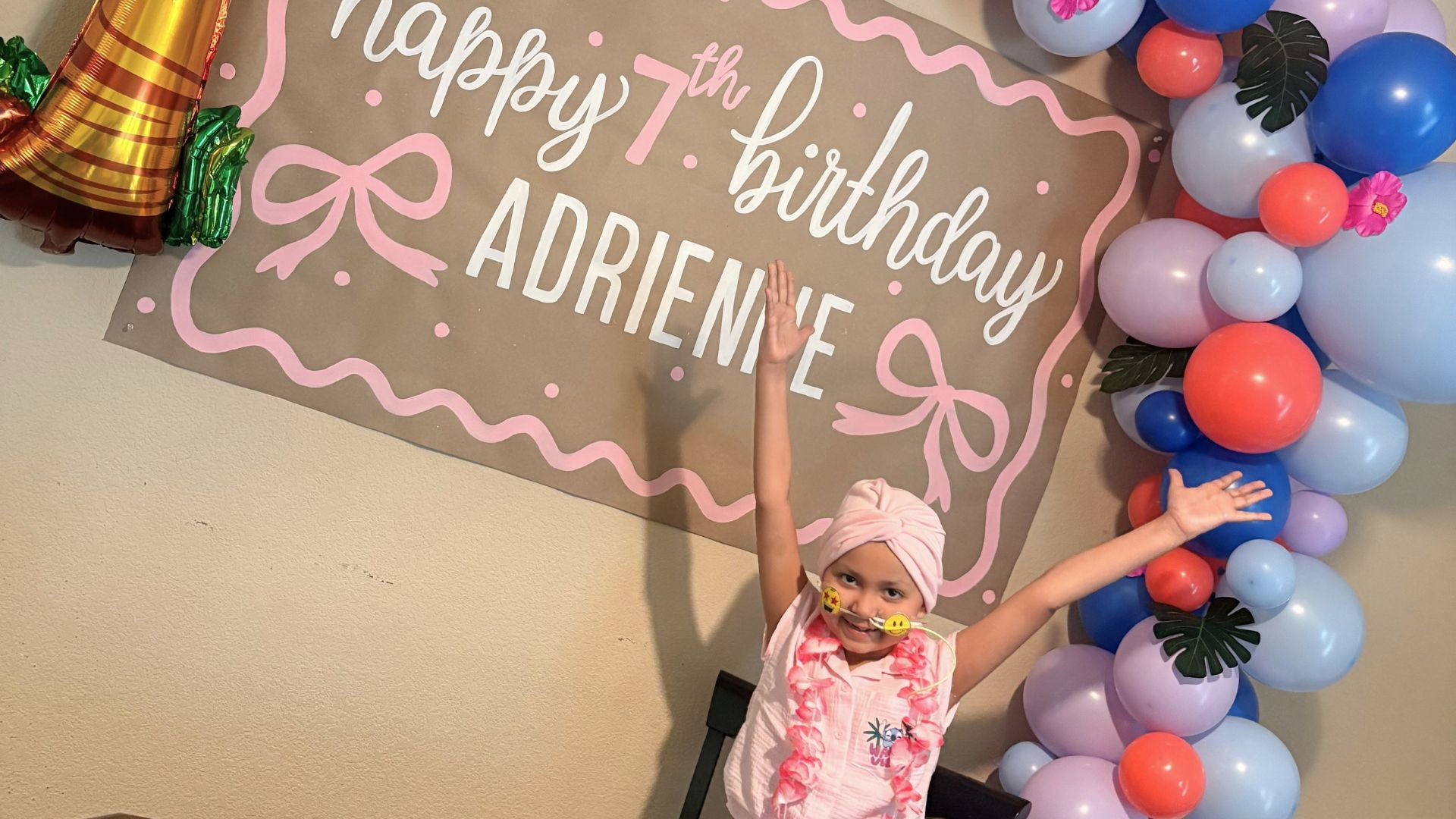
Through it all, Adrienne held on to her faith and her biggest birthday wish: to be home surrounded by her family with nothing else but love and chicken wings.
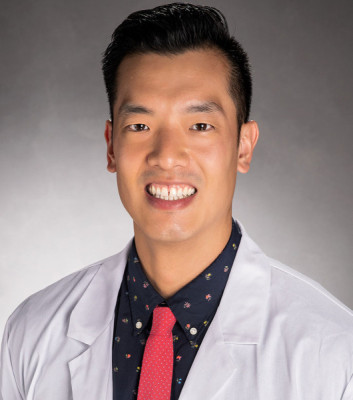 "Adrienne has shown resilience and determination far greater than someone her age, while maintaining a sweet and joyful attitude even on the most difficult days," said Kevin Tien, M.D., oncologist at Cook Children’s Hematology and Oncology Center. “Her diagnosis and treatment have been far from typical, but she has faced it in a big way. I have learned a lot about the effects of chemotherapy and the heavy toll it can take on our sweet patients, and at the same time, it reminds me over and over again how resilient they consistently prove to be.”
Just two days before her birthday, Adrienne was discharged from the hospital in time to celebrate her seventh birthday with family at home, just as she wanted.
“We threw something together so fast and ordered chicken wings for her. We got some family together and celebrated with just very close family members because that was the main thing that she wanted,” April stated with tears of joy in her eyes.
A Childhood Cancer Diagnosis Changes Everything
September is Childhood Cancer Awareness Month, a time to recognize children and families affected by cancer, as well as the research and care needed to improve outcomes.
According to the American Cancer Society, about 9,680 children in the United States will be diagnosed with cancer in 2026. Leukemias, brain tumors, and lymphomas are the most common types of cancer in children. The American Childhood Cancer Organization estimates that one in 264 children will be diagnosed before their 20th birthday.
Childhood cancer is relatively uncommon, accounting for less than 1% of all new cancer cases diagnosed in the United States each year, according to the National Cancer Institute. But because childhood cancers are rare and can differ significantly from adult cancers, research and collaboration among pediatric cancer centers are critical.
For children, cancer is more than a medical diagnosis. It can mean missing school, time away from siblings and friends, hospital stays, procedures, and uncertainty about what comes next.
That is why pediatric cancer care requires more than simply treating a smaller body.
“It’s incredibly important that children are treated and cared for as children, not small adults,” said Dr. Tien. “Their biology, physiology, risks, and mental health impacts are incredibly unique and can’t be mitigated by simply reducing a dose.”
More Than Medicine
Dr. Tien said one of the misconceptions about pediatric oncology is that their work is defined by sadness.
“A common misconception is that our job is sad,” Dr. Tien said. “The truth is, for many of us, the job is rewarding, fulfilling, and gratifying in so many ways.”
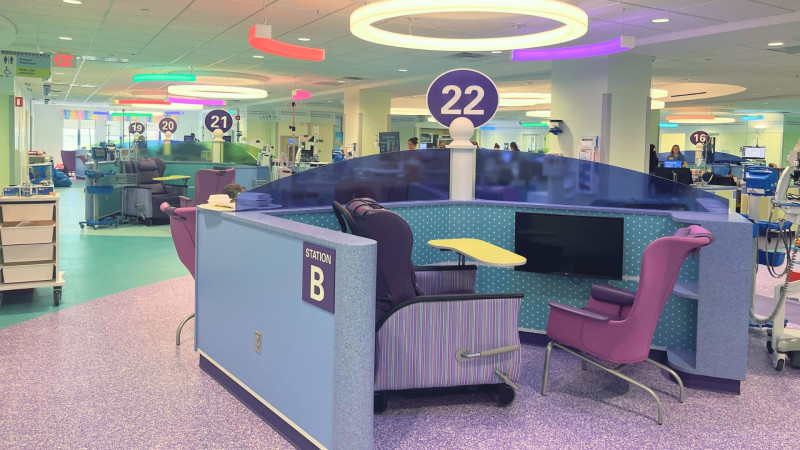 Pediatric oncology teams work alongside families through some of the most difficult moments of their lives.
“We get to work hand-in-hand with parents and other providers to take care of children, and it never ceases to amaze me how far we will go to do our best for our patients,” Dr. Tien said.
For families, that support can extend far beyond the hospital room.
“Dr. Tien is a great doctor. Adrienne loves him and her nurses a lot. They’re not just healthcare workers that come in and go; they truly care about her. Having great doctors like him makes the whole thing a lot easier,” said April.
Supporting Children Beyond the Gold Ribbon
Awareness can begin with wearing gold, but Dr. Tien said families need more than symbols of support.
“Donate time, volunteer at your local children’s hospital to read with them,” Dr. Tien said. “Help set up activities in playrooms or atriums that will get them out of their rooms and move their bodies.”
Research remains critical because childhood cancer treatment can have long-term effects.
“I think we definitively need more research into childhood cancer. I know that we live in a smart world, a world full of medicine, but I still feel like there's so much more that we still don't know, especially in pediatric cancer treatments,” April stated.
According to the National Cancer Institute, even when children face these diagnoses, some may experience long-term adverse effects from the disease or its treatment, making research into safer and more effective therapies an ongoing priority.
For Adrienne and her family, the journey is not over simply because she made it home for her birthday. Adrienne’s treatment is expected to conclude by the beginning of 2028.
Although Adrienne still has a road ahead in her treatment plan, April is daily inspired by the strength and unwavering faith of her daughter Adrienne.
“Every journey is different for every child,” April said. “I always tell other parents of children with cancer to never feel guilty for what their children are going through. For a long time, I gave myself a guilt trip, asking what I could have done differently to prevent this from happening. But I had to stop and remind myself there’s nothing I could have done to keep cancer from happening to Adrienne. It’s truly not our fault, or anyone’s fault, that cancer happens.”