Small Incisions, Big Impact: How Robotic Surgery Is Transforming Pediatric Care
The Pediatric Minimally Invasive and Robotic Surgery program at Cook Children’s Health Care System is expanding access to advanced technology designed to give surgeons greater precision and help children recover faster.
When a parent hears their child needs a robotic-assisted surgery, the word “robotic” may raise questions: Is a machine performing the operation? Is technology replacing the surgeon?
 At Cook Children’s, pediatric surgeons say the answer is simple: The robot does not perform surgery on its own. It is a highly advanced tool controlled entirely by the surgeon.
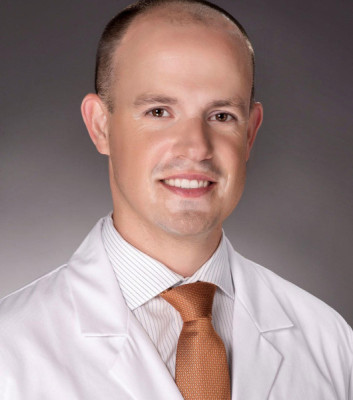
“The robot is just a tool no different than the tools we use with laparoscopy,” said Marty Knott, D.O., Ph.D., pediatric surgeon at Cook Children’s. “We’re just asking the robot to allow for smoother, more detailed and controlled movements and articulation of the instruments in ways that laparoscopy does not allow.”
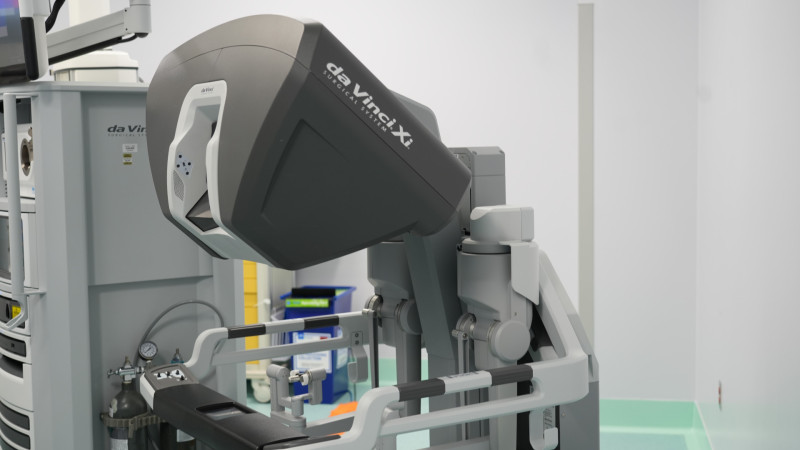
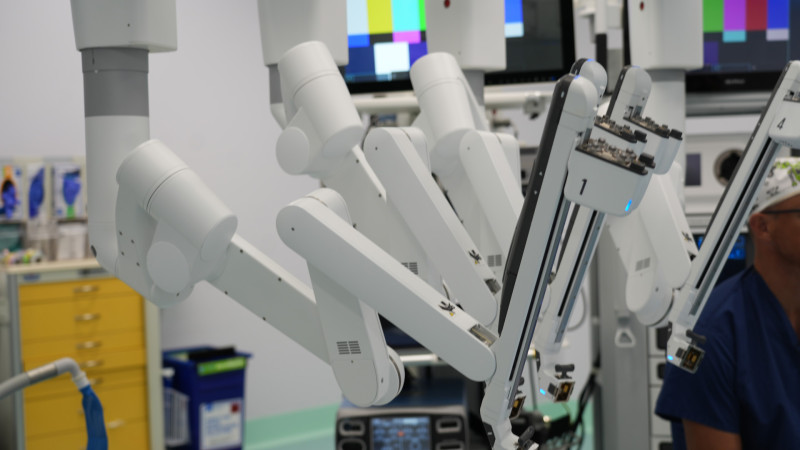
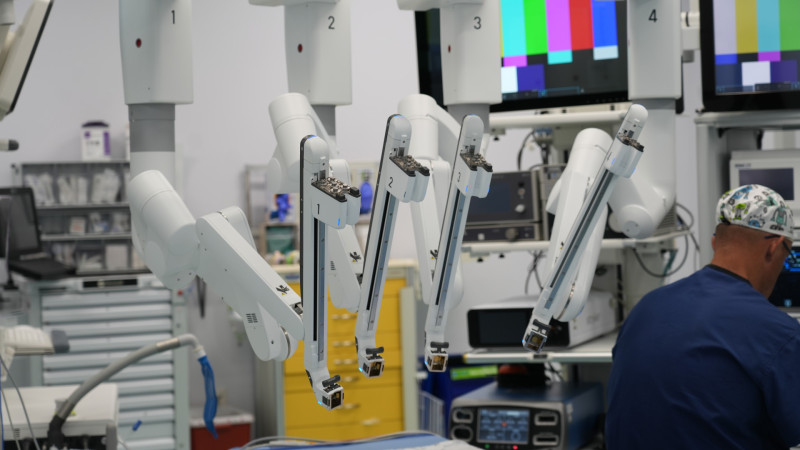
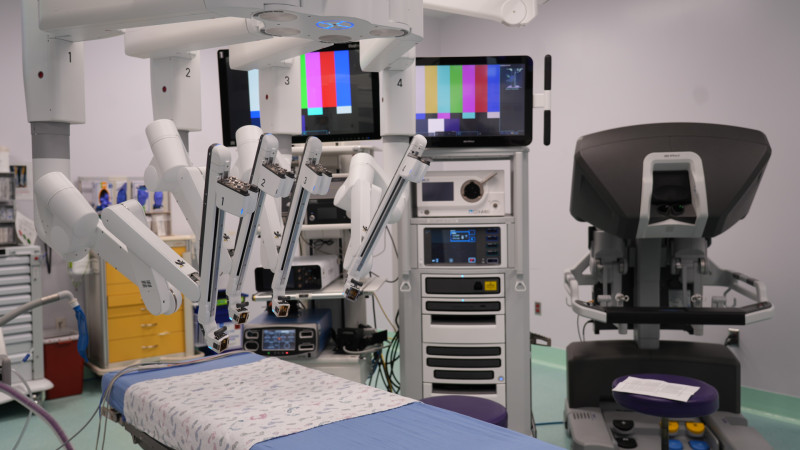
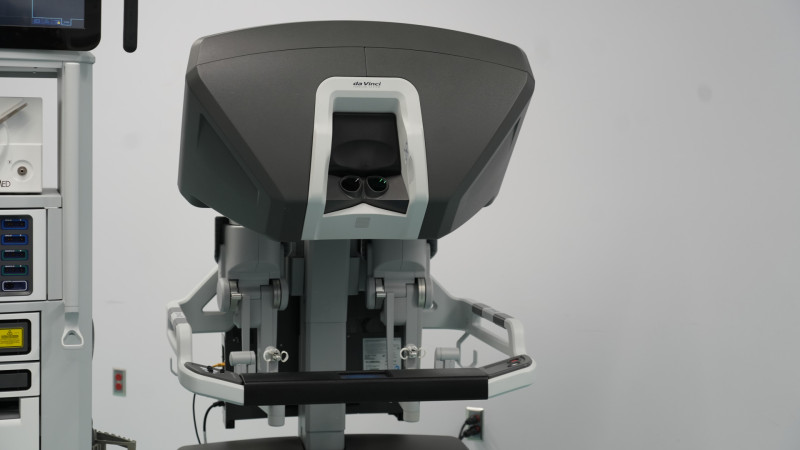
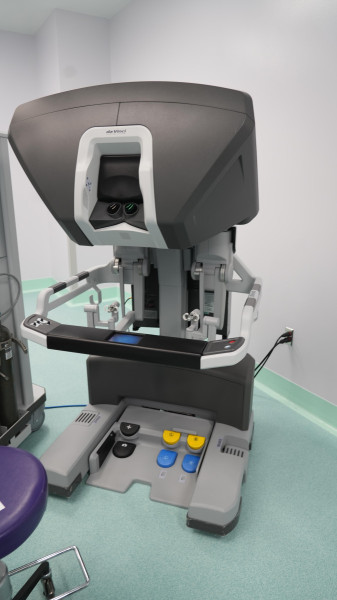
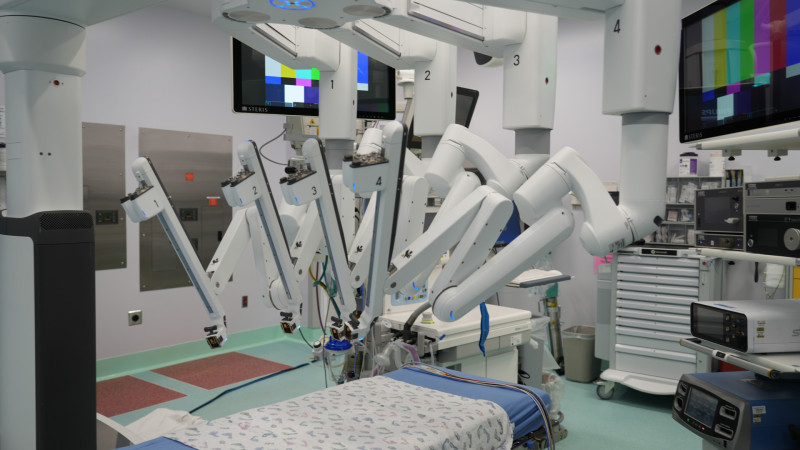
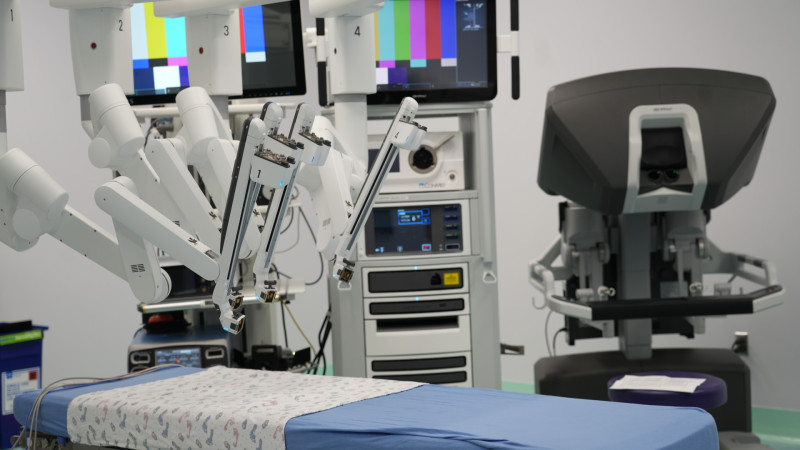
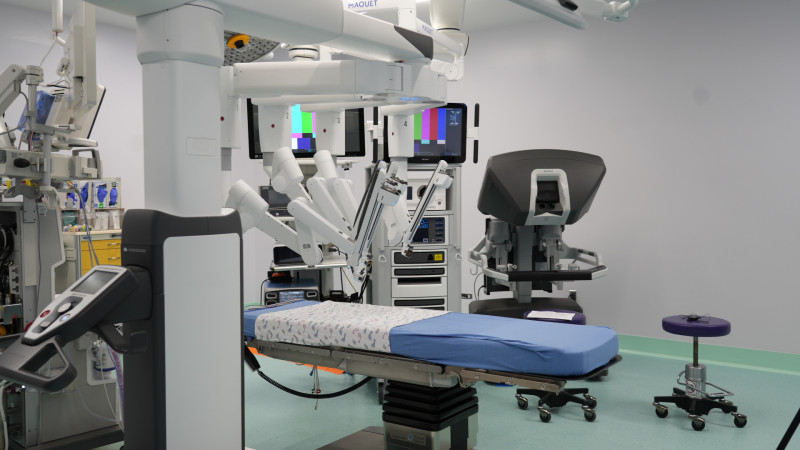
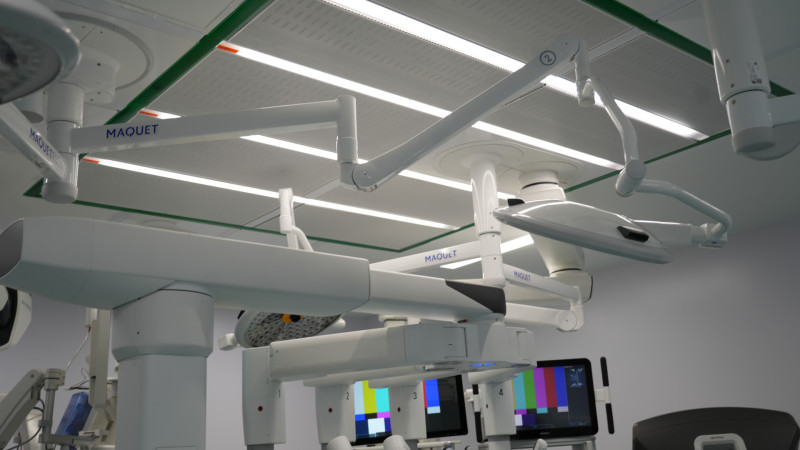
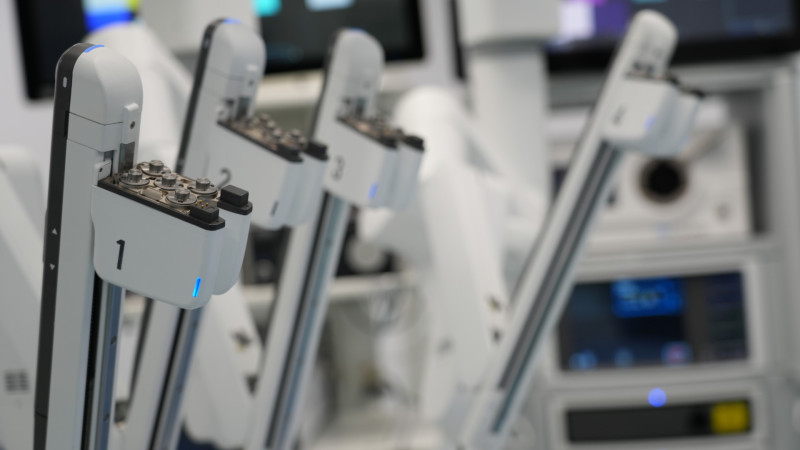
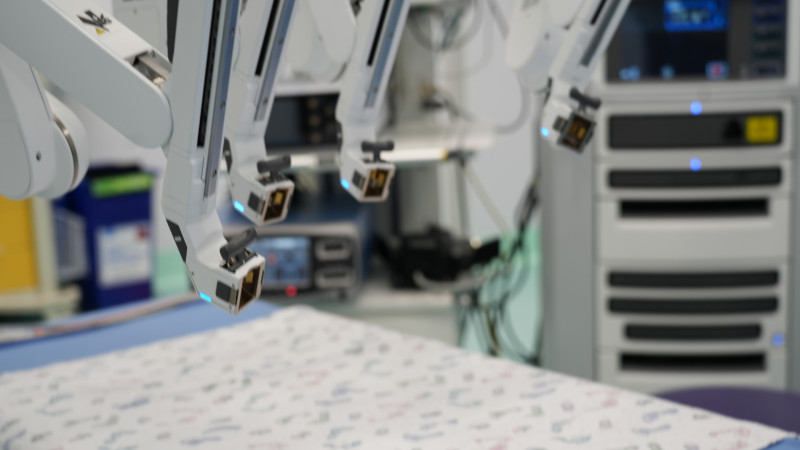
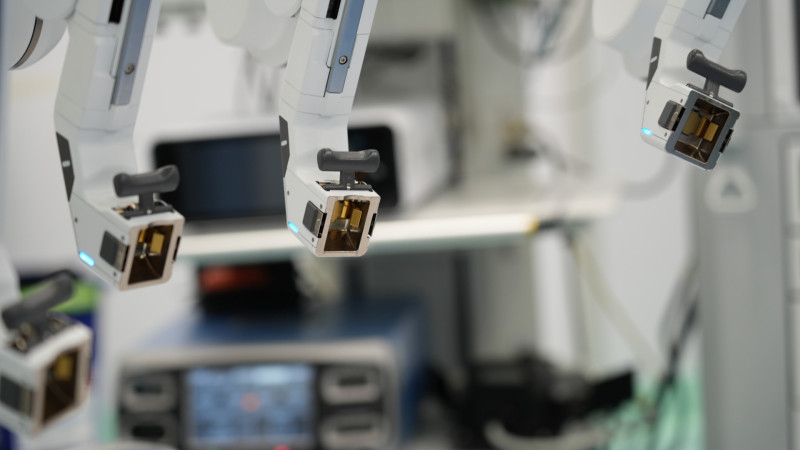
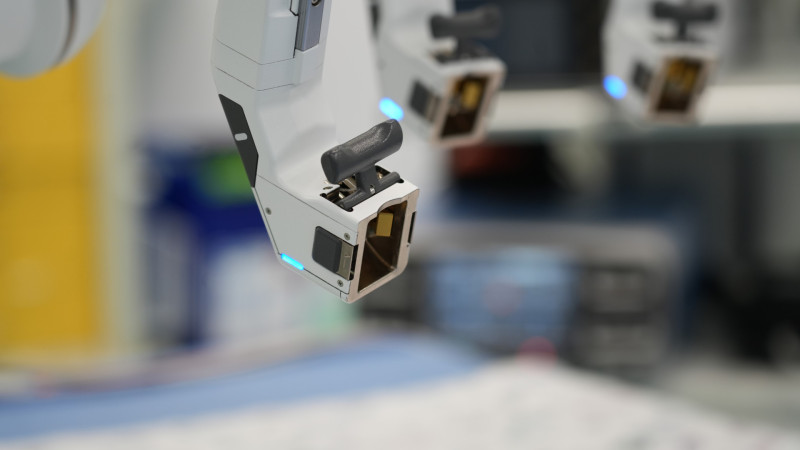
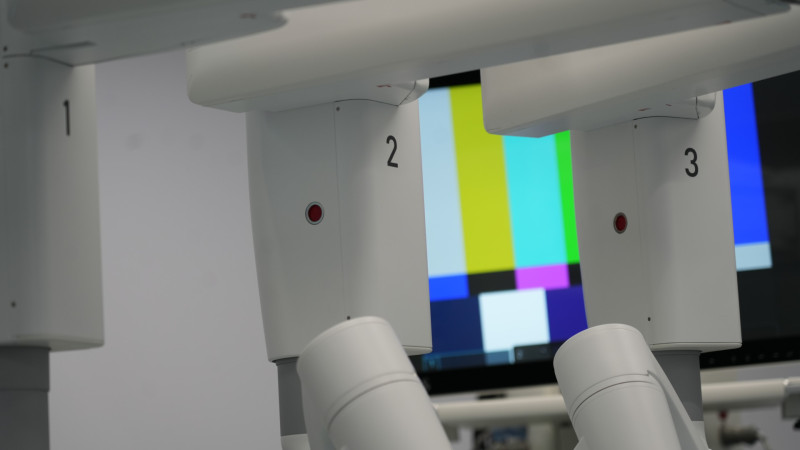
Robotic-assisted surgery combines a surgeon’s expertise with enhanced visualization, precision and instrument control. Surgeons operate from a console that provides a three-dimensional view of the surgical area while controlling robotic arms attached to specialized instruments. In a traditional laparoscopic procedure, surgeons make small incisions to insert a camera and specialized instruments, which they maneuver directly by hand while viewing the procedure on monitors in the operating room.
For many patients, the added precision that robotic-assisted surgery provides can mean smaller incisions, less pain and faster recovery, depending on the procedure and the child’s individual condition.
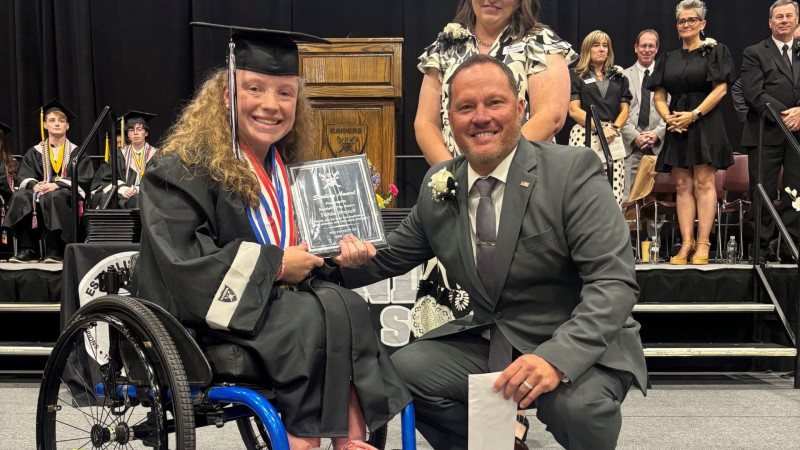
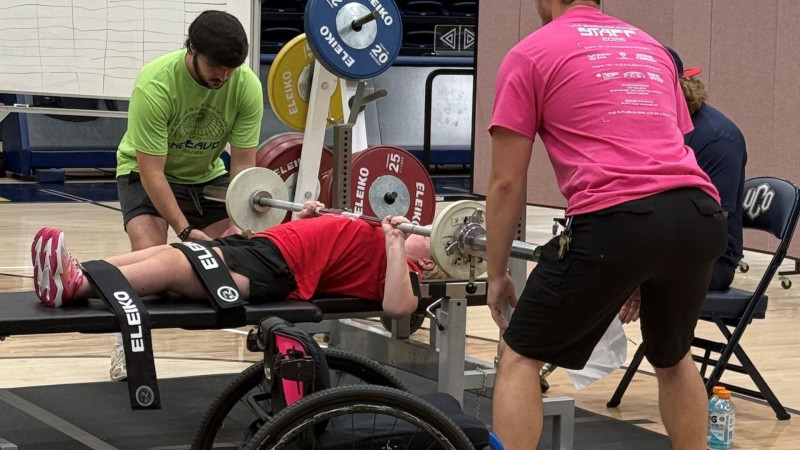
For 18-year-old Tahlie Brandt, robotic-assisted surgery helped treat severe acid reflux that affected her daily life as an athlete.
Her mother, Shellie Brandt, said one of her biggest concerns before surgery was how much reflux her daughter experienced. After undergoing a fully robotic-assisted procedure, she noticed the difference during recovery.
“I wasn’t expecting it to be that fast,” said Tahlie. “I was kind of expecting it to be a longer recovery, like my other surgeries.”
Shellie shared that her daughter can now enjoy foods and drinks she used to avoid, and she quickly got back to her normal routine and favorite sports.
“She eats almost anything she wants to eat and can drink lemonade, orange juice, and things like that,” she said.
Expanding Possibilities for Pediatric Patients
Robotic surgery has been used in adult medicine for decades, but pediatric surgeons say one of the biggest changes in recent years has been expanding its use for children.
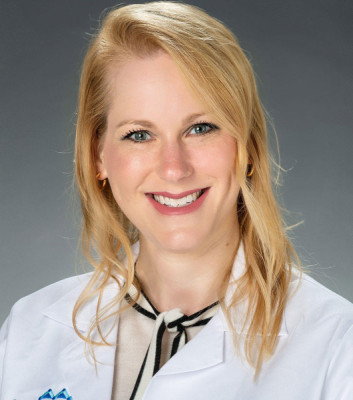 “The biggest change in pediatric robotic surgery has just been the fact that it exists,” said Ellen Jones, M.D., pediatric surgeon at Cook Children’s. “This equipment has been here for a long time, but really only a small portion of the doctors here were using it and really only in the specialty of urology.”
Over the past few years, more pediatric surgeons have incorporated robotic-assisted techniques into their practices, allowing the technology to be used for a wider variety of procedures.
Dr. Jones said robotic surgery has become increasingly valuable because of the level of detail required for certain operations.
Dr. Mokdad agreed.
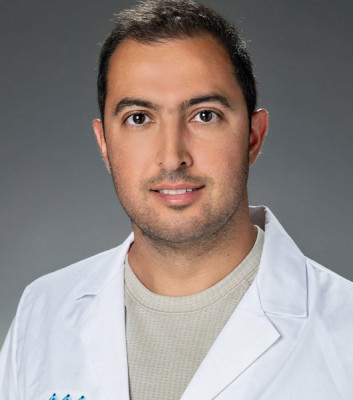 “Areas that require a lot of magnification, better quality of the images, a lot of procedures that require suturing — this has been extremely helpful compared to laparoscopic surgery,” said Ali Mokdad, M.D., pediatric surgeon at Cook Children’s.
Surgeons at Cook Children’s have used robotic assistance for procedures including chest and lung operations, biliary, gallbladder and liver surgery, tumor resections, colon resections, appendectomy, pelvic procedures and other complex operations involving delicate structures.
Dr. Knott said some procedures have become significantly more efficient with robotic assistance.
“I’ve been doing surgery for 10 years here, and doing a fundoplication, as an example, which is a procedure that we use to treat reflux disease, is so much smoother, easier, cleaner, and safer, with a better view for us using robotic assistance compared to a laparoscope,” he said.
Training Surgeons for the Future
Before surgeons can independently perform robotic-assisted procedures, they undergo specialized training that includes simulation, observation and supervised surgical experience.
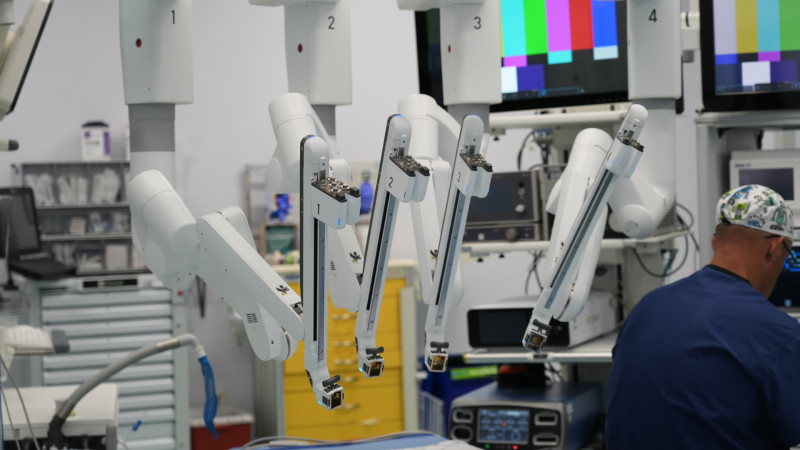 “Surgeons who are learning also do case observations with expert robotic surgeons and then eventually work their way up to performing robotic surgery with a proctor,” Dr. Jones said.
Once surgeons demonstrate they can perform procedures safely and efficiently, they can incorporate robotic techniques into their practice.
As more surgeons receive training, the technology becomes available to more patients.
The Future of Robotic Surgery
While robotic hardware has remained relatively stable, surgeons say software advancements are driving much of the innovation.
Dr. Jones said one of her biggest hopes for the future is making robotic technology accessible for some of the smallest and most vulnerable patients.
“This machine is way too large for many of our tiniest patients,” she said. “I’m hoping there will be more devices on the market, more variability to address those needs so that we can take this technology to a population that hasn’t been able to access it.”
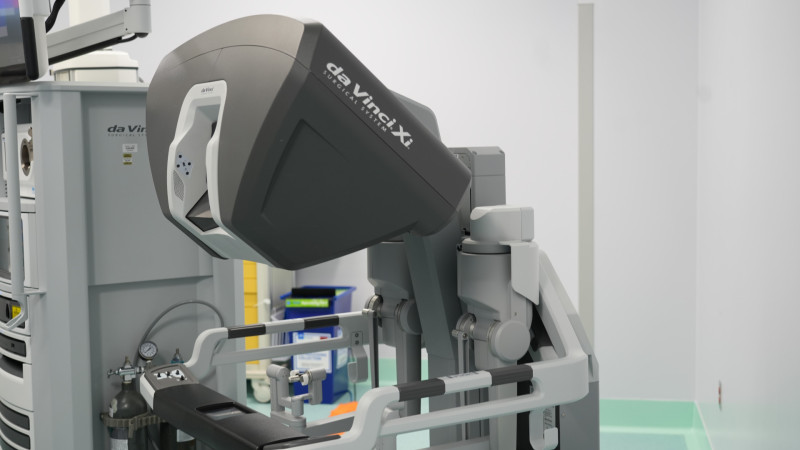 Artificial intelligence may also play a role in the future of surgery, but physicians say it will remain a tool, not a replacement for human expertise.
“AI is super helpful. It’s a great tool,” Dr. Knott said. “But there’s always going to be a practical application and an experience and a relationship that happens between a physician and the patient that AI will not be able to reproduce.”
For families considering robotic-assisted surgery, surgeons say the most important thing to understand is that the technology exists to support their care team.
“We’re not going to use this tool unless it benefits the patient,” said Dr. Knott. “It gives us better views, finer control, and allows us to do things in a more complete, sophisticated and safe way. Surgeons will only select this form of surgery when it is in the best interest of the child, providing the same care we would want for our own children.”
Tahlie’s mother, Shellie, hopes other families feel confident moving forward with new medical technology.
“Don’t be afraid of it,” she said. “Modern technology is being built to benefit us. We are not going backwards on technology. We are only moving forward, and we shouldn’t be afraid of it.”