

Cook Children's Hits Milestone 250th Kidney Transplant
As he dealt with severe kidney disease, 17-year-old Dylan Banks faced a choice: Continue with dialysis or try for a kidney transplant.
Dylan had already undergone more than a year of dialysis, a filtering process that removed waste and extra fluids from his blood. Each dialysis treatment took almost four hours, three days every week, which interfered with school. And he missed certain foods he couldn’t eat.
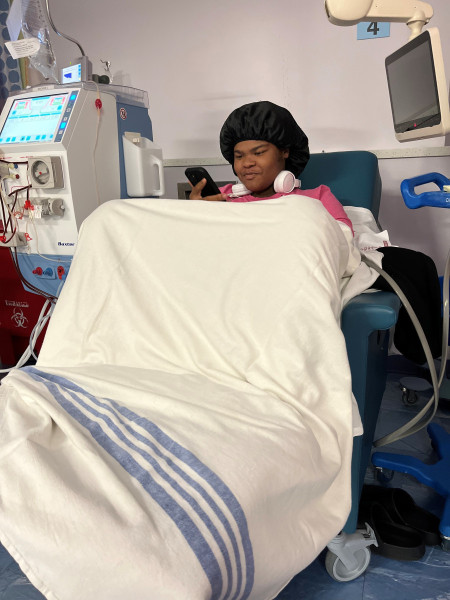 Dialysis was necessary but wasn’t easy. That’s why Dylan decided to pursue a transplant at the recommendation of Cook Children’s nephrologist Randa Razzouk, M.D., M.S., a specialist in kidneys and high blood pressure. In February 2026 he was placed on a national waiting list for a kidney from a deceased donor.
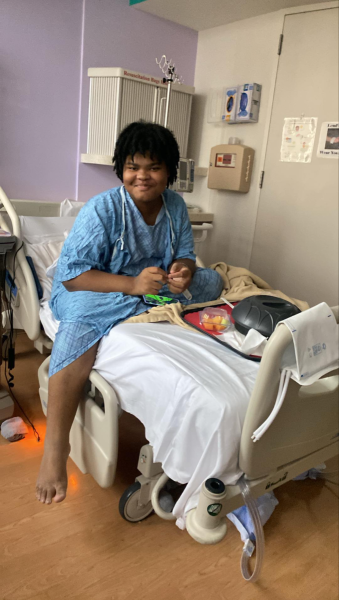
He didn’t wait long. On March 17, 2026, the Cook Children’s Kidney Transplant Program called to say an available kidney was a good match. Later that night Dylan underwent surgery at Cook Children’s Medical Center – Fort Worth to receive the new kidney and a new lease on life.
“I feel very good. I can swim, I can eat, I can actually walk fully,” he said. ”Before, I was too weak and too tired. Now I feel energized.”
Dylan named his new kidney “Clover” in the spirit of the transplant occurring on St. Patrick’s Day. Another fun fact? Dylan was the 250th patient to receive a kidney transplant at Cook Children’s since the program started in 1993.
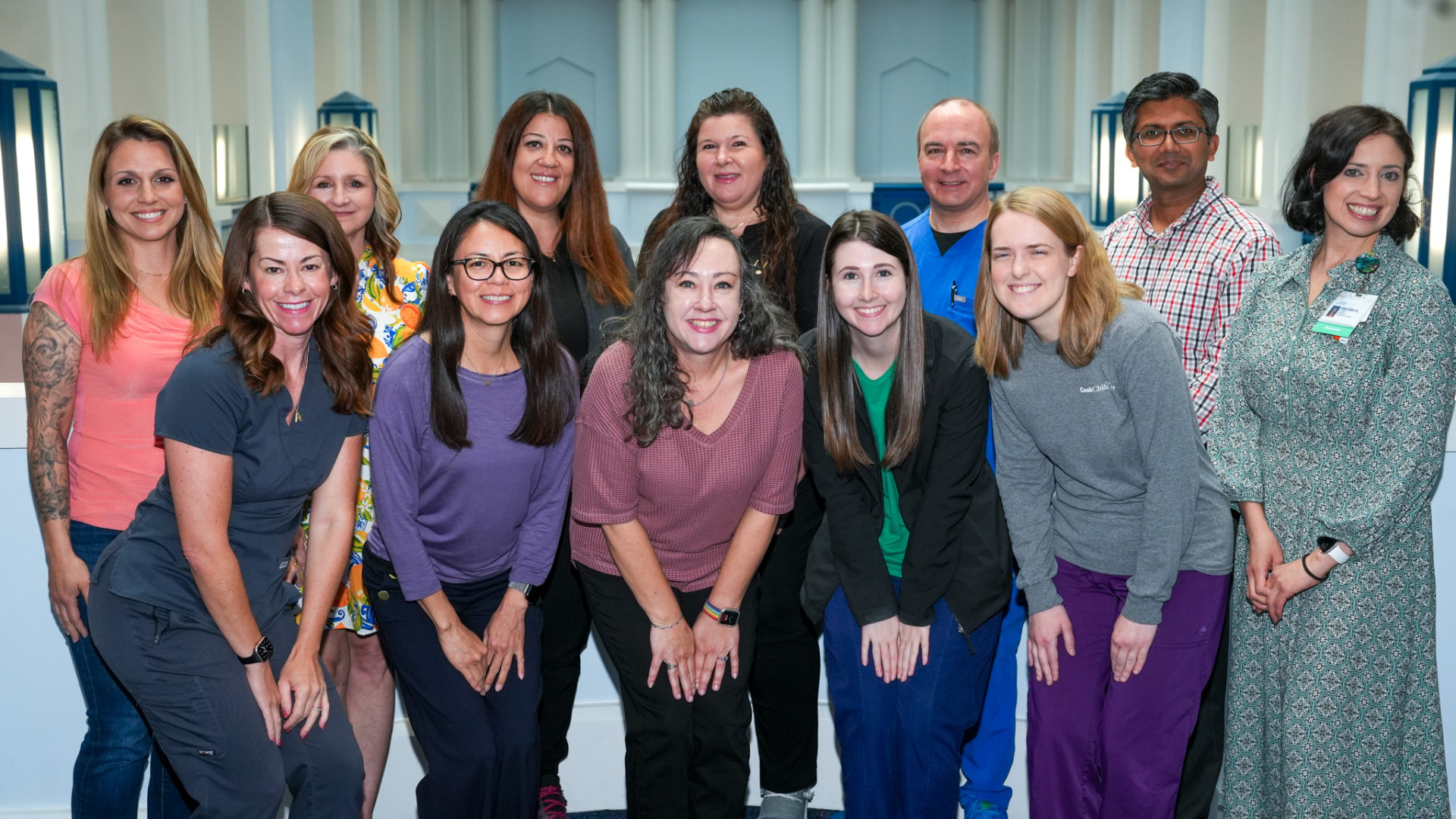
The kidney transplant team at Cook Children’s involves pediatric surgeons, urologists, nephrologists, infectious disease doctors, pharmacists, therapists, social workers, child life specialists, dietitians and other experts in treating the unique needs of children and teens. Intensive follow-up helps ensure that the transplanted kidney functions properly. Here’s what to know.
Experience and Excellence
Most people have two kidneys, the organ that produces urine. The kidney performs other roles too, helping manage blood pressure and making red blood cells.
“It actually does a lot of different things,” said Robert Gillespie, M.D. MPH, medical director of kidney transplantation at Cook Children’s. “It filters out the blood and removes all the metabolic waste products, sort of like the exhaust from your car. It gets rid of any extra fluid and extra water you don’t need. All that goes out in the urine.”
A child born with abnormalities of the urinary tract might need a kidney transplant, he said. Another factor could be autoimmune disease that leads to scarring of the kidney.
 Cook Children’s aims to provide a transplant before advanced renal failure occurs, Dr. Gillespie said. But sometimes renal failure develops too quickly. Once renal failure sets in, the patient will need dialysis at home overnight every night or at a dialysis center three days a week.
“There’s a lot of disruption to their lifestyle, which is especially difficult in childhood when you’re trying to attend school regularly,” he said. “The goal is always to do a preemptive transplant before they need dialysis.”
Julie Rudd, renal transplant coordinator, started working at Cook Children’s in 1992. Julie has met or helped care for all 250 patients who received kidney transplants over the years. She sees a dramatic change in energy level, appetite, cognitive ability and how much better they feel overall.
The Cook Children’s Kidney Transplant Program draws patients from across Texas and nearby states. Ages range from 2-18 years.
Steps in the process include:
Run extensive tests to ensure potential donor kidneys are compatible with the patient's body.
Determine if a suitable living donor is available (often a parent). If not, the patient can be placed on a list for a deceased donor’s kidney.
Perform the transplant, which connects blood vessels from the new kidney to the patient’s vein and artery. The ureter, a tube that carries urine, connects to the patient’s bladder.
Give instructions for taking the medications, called immunosuppressants, needed to help the body accept the new kidney.
Follow up with frequent appointments to monitor the kidney’s function and watch for signs of rejection.
Cook Children’s also helps patients when the time comes to make the transition to adult care for their transplanted kidney.
The program benefits from a comprehensive approach and continuity of care provided by the same specialists before and after transplant. Hitting the 250 mark is an accomplishment, along with the track record of transplant success dating back to 1993.
“Cook Children’s stands out for the volume and length of time we’ve been doing it,” Dr. Gillespie said. “You want a program that does a good number of transplants to develop and maintain that expertise.”
Beyond Dialysis
One day at school in 2022, Dylan complained of a headache and dizziness. The school nurse took his blood pressure – it was alarmingly high – and Dylan was rushed to the Emergency Department at Cook Children’s Medical Center. Tests found protein and blood in his urine and inflammation of his kidneys. A kidney biopsy showed scarring.
 Dylan had previously been diagnosed with Henoch-Schonlein purpura, a disease that causes small blood vessels to swell and leak. Dr. Razzouk diagnosed a related condition called IgA nephropathy, an autoimmune disease that causes IgA proteins to get trapped in the kidneys, damaging their blood-filtering vessels.
Under Dr. Razzouk’s care, Dylan received medication to lower blood pressure, diuretics to reduce swelling, and steroids to treat inflammation. Dialysis began in 2024 after a particularly severe episode of high blood pressure on vacation landed him in intensive care at a Houston hospital.
Back home to Fort Worth, Dylan came the Cook Children’s Dialysis Unit on Mondays, Wednesdays and Fridays. He couldn’t eat potatoes, bananas, chocolate and foods high in sodium because of dialysis restrictions. He’d get out of breath just by walking. His kidneys weren’t going to heal.
On several occasions Dr. Razzouk talked to Dylan about pursuing a transplant. He was a good candidate, Dr. Razzouk believed, because he was medically stable and had strong family support. Dylan also understood the long-term responsibility of taking the medication that a transplanted kidney requires.
Trulaina Banks said the decision was entirely up to her son. She’d support him whether he chose to remain on dialysis or seek a transplant. Dylan thought it over and came to the conclusion that dialysis had his life on hold, Trulaina said. He was ready to move forward with transplant.
After extensive evaluation, Dylan’s name went on the wait list for a kidney. A match came up through the donor registry, and Cook Children’s transplant surgeon Tariq Khan, M.D. put the kidney in place. Dylan still has his original kidneys, plus a C-shaped scar at the site of the incision.
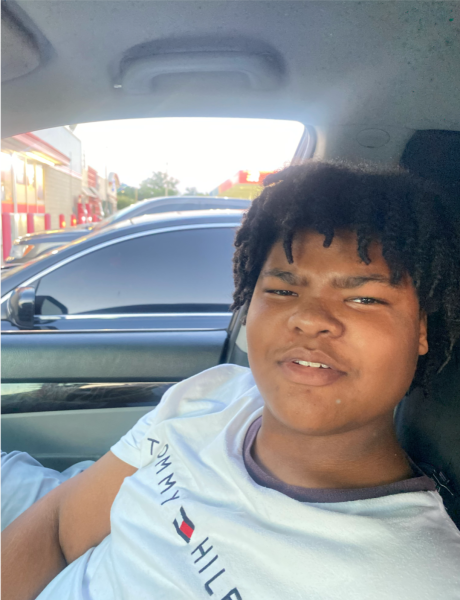 Dr. Razzouk said Dylan has no more restrictions on diet or fluid intake. His blood pressure is healthier. Quality of life has improved. For Dylan’s transplant and the 249 transplants that came before it, she gives credit to the collaboration and communication of the entire transplant team.
“We provide excellent care,” she said. “We provide compassionate care.”
Trulaina advised parents to learn the facts, be honest with their child, and support them as partners in the transplant process.
“It’s going to be a tough road, but as long as you keep your faith, we’re going to get there together to where this road is smooth,” she said. “Believe in your team. Dr. Razzouk’s eye will always be on Dylan to make sure he’s good.”
Dylan sets an alarm to remember to take his daily medications. He doesn’t know the name of his donor. But he’s very grateful and wants to do what he can to keep the kidney working. He would urge any teens on dialysis to consider if a transplant might be right for them.
“Your story isn’t over,” he said. “Don’t give up.”
RELATED STORY:
The Ambassador: Following Two Kidney Transplant, Patient Hopes His Story Will Inspire
Kidney Transplant Specialty
When your child’s kidneys can no longer meet their body’s needs, the Cook Children’s Kidney Transplant Program is here to help. We work to select the best replacement kidney, and after transplant to protect the new organ and your child’s health. Throughout the process, we support your family and set your child up for success with this life-changing surgery. To schedule an appointment or speak to our team, call 682-885-4260.
