

What Families Should Know About Measles
Back-to-School Breakdown: Preparing for Class with the MMR Vaccine
Resources and tips for finding immunizations for children:
Navigating vaccines can feel overwhelming. Talk to your pediatrician.
- Schedule an appointment through Cook Children's.
- Find your nearest Texas Department of State Health Service Clinic.
- Call 211 for help.
- Call Tarrant County Public Health at 817-248-6299 to make an appointment or to find a walk-in clinic.
- Check with your local school district for vaccine events.
Just weeks before students return to the classroom, the Texas Department of State Health Services (DSHS) issued a health alert following four reported cases of measles in July. According to DSHS, all four cases occurred within a single family after a family member traveled out of state.
With back-to-school season underway, pediatricians at Cook Children’s Health Care System are sharing key information about how measles moves through communities and how families can protect their children.
Measles is highly contagious. One infected person can potentially infect 12 to 18 unvaccinated individuals. The virus spreads through infectious respiratory droplets and airborne transmission (from coughing or sneezing), where tiny droplets can remain suspended in the air.
Cook Children’s experts say the best way to prevent getting and spreading the virus is to get the measles, mumps and rubella (MMR) vaccine.
The MMR vaccine is required by most school districts and Cook Children’s understands that navigating conflicting information about vaccines can feel overwhelming. Mary Suzanne Whitworth, M.D., medical director of Cook Children’s Infectious Diseases, explains the key facts about the measles and the MMR vaccine.
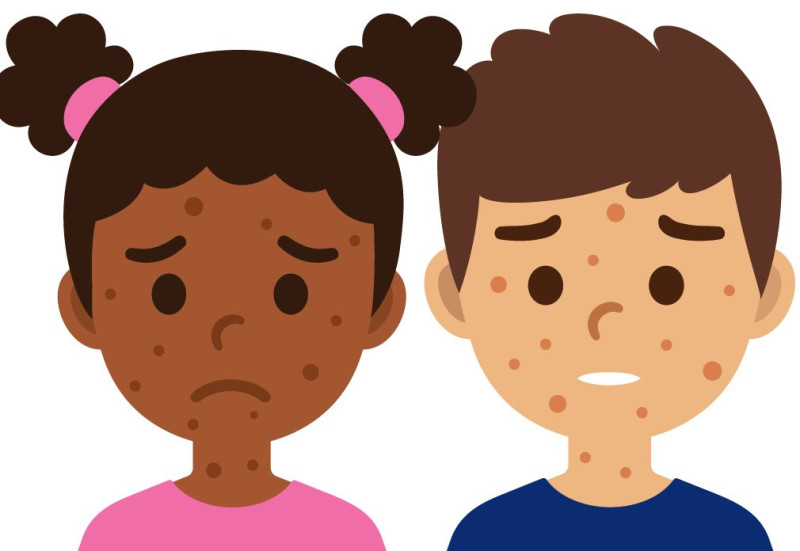 What is measles
Measles is a viral infection caused by the rubeola virus, which is not the same as rubella. The virus is very small, which makes it more contagious. It can remain in the air of a room for up to two hours after an infected patient leaves. Measles symptoms typically appear seven to 14 days after infection.
Symptoms include:
- Rash
- Fever, sometimes over 104º Fahrenheit or 40 º Celsius
- Runny nose
- Cough
- Red, watery eyes
- Sore throat
- Tiredness
Complications can include ear infections, diarrhea, pneumonia and, in rare cases, brain damage or death.
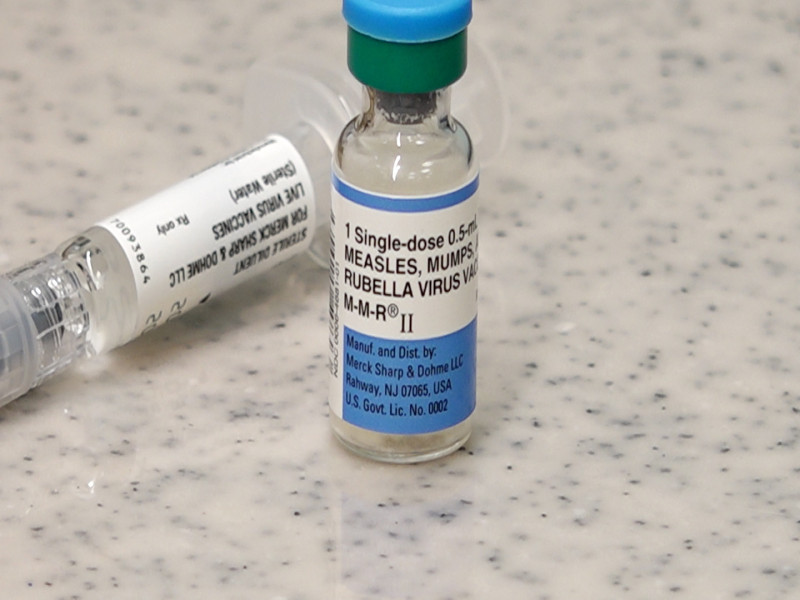 How can measles be prevented?
Vaccination is the most effective way to prevent measles. The first dose of the MMR vaccine is typically given to children on their first birthday (12 months old), followed by a booster at age 4. Talk to your pediatrician about questions and concerns. Children traveling outside the United States may be able eligible to receive the vaccine before their first birthday.
Because measles remains airborne for up to two hours, if 10 unvaccinated children are in a room with one infected child, nine of them will likely contract the virus.
In addition to getting vaccinated, the spread of measles can be mitigated by proper hygiene. This includes:
- Handwashing
- Covering your mouth and nose when you cough or sneeze
- Avoid sharing drinks or eating utensils
- Disinfect frequently touched surfaces
What would you like families to know about measles and the MMR vaccine?
Measles was declared eliminated from the United States in 2000. However, measles immunization rates have declined in recent years due to missed checkups during the pandemic, parental concerns and vaccine misinformation.
Measles also remains common in many parts of the world. Most recent U.S. cases stemmed from unvaccinated travelers returning from abroad. This drop in vaccination coverage makes communities vulnerable to disease resurgence.
