Walking Miracle: 12-Year-Old Girl Walks While on Life Support After Rare Life-Threatening Reaction to Common Antibiotic
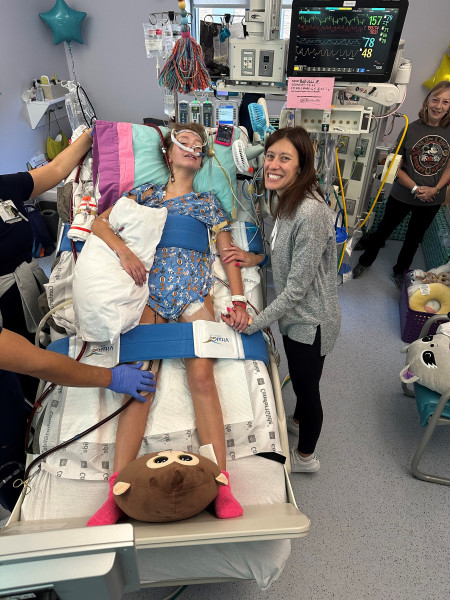
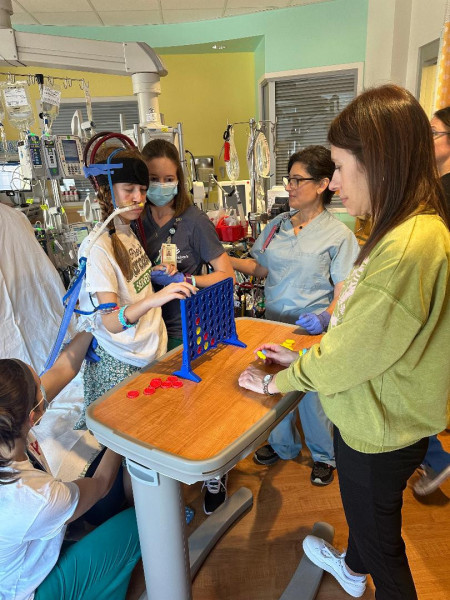
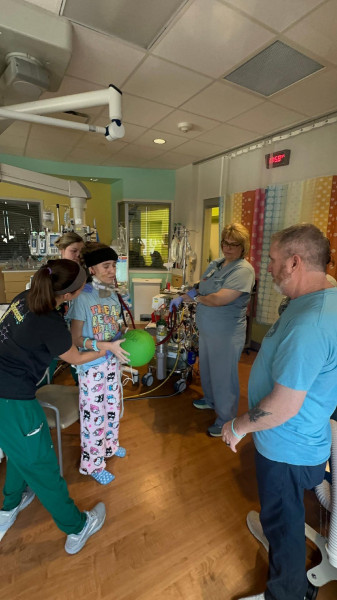
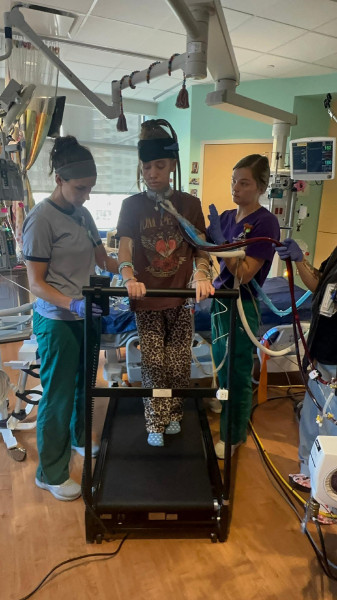
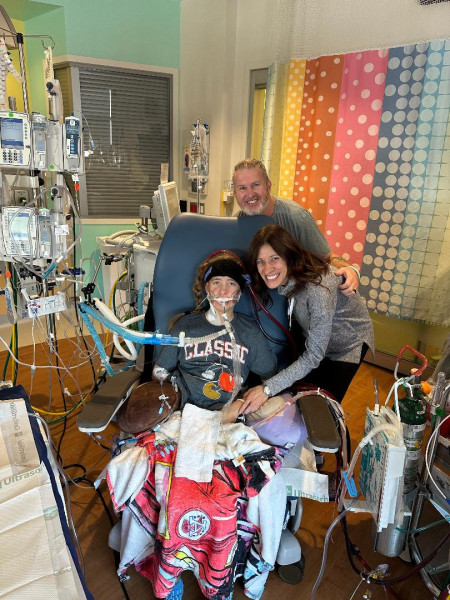
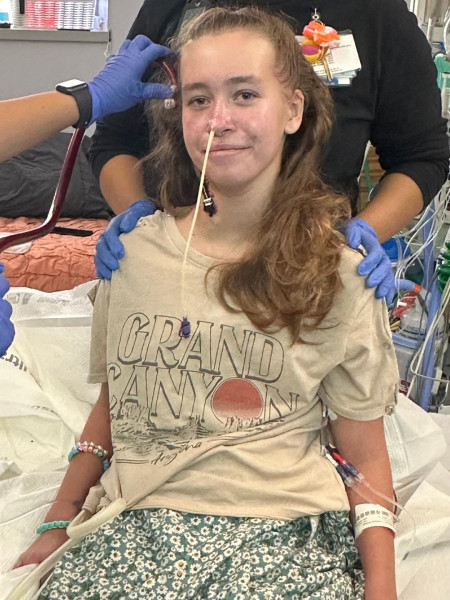
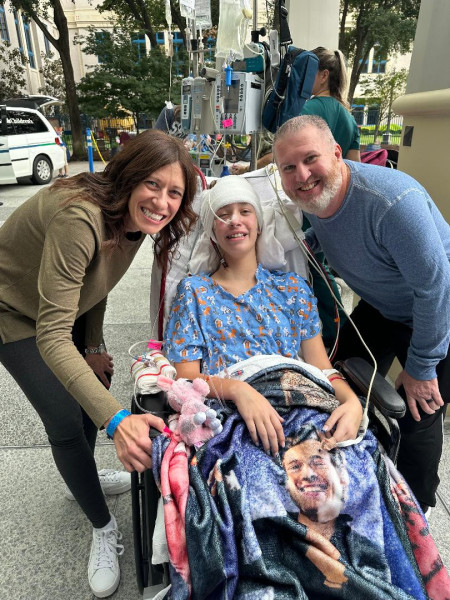
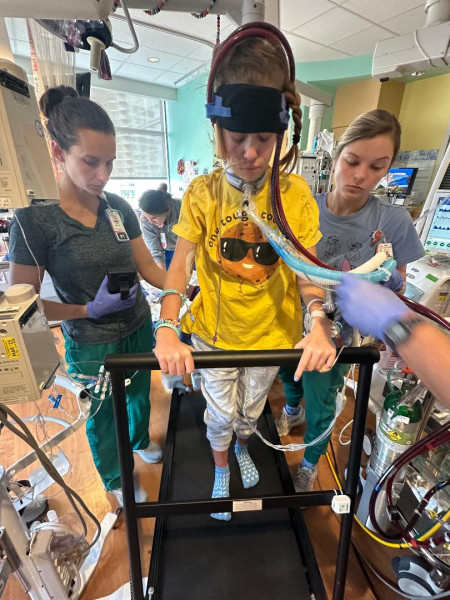 It’s not every day that you see a patient on extracorporeal membrane oxygenation (ECMO) walking around the halls of the hospital or taking a turn outside in a wheelchair. Children on this life-supporting device have very sick lungs. Most patients are fully sedated while ECMO assists their lungs in the exchange of blood gasses to properly oxygenate their body and its organs. But Emerson Bellucci is not most patients.
“People would line the halls when she was up doing therapy,” said Ashlee Bellucci, Emerson’s mother. “Everybody wanted to see because they said this is not your typical ECMO patient. And I said, ‘Well, this is not your typical kid.’”
The 12-year-old from Fort Worth is one-of-a-kind in a lot of ways. Strong, resilient and mature beyond her years, Emerson not only beat the odds on ECMO, she survived a very rare and life-threatening reaction to the common antibiotic Bactrim, which she was prescribed to treat a staph infection she developed from cystic acne. The reaction is so rare, in fact, that few studies on the condition exist.
In 2023, physicians from Children’s Mercy Hospital and Clinics in Kansas City, Missouri, published a review of five cases of severe lung inflammation following the use of Bactrim, or trimethoprim-sulfamethoxazole. Like several in this case study, in the early days of Emerson’s reaction, her symptoms of fever, rash and difficulty breathing were initially thought to be the result of a viral infection. But her breathing became so labored that she was admitted to Cook Children’s Pediatric Intensive Care Unit (PICU) on August 18, 2024, where her care was overseen by a team of intensive care physicians and consulting specialists, including Javier Gelvez, M.D., pediatric intensivist, Krishna Pancham, M.D., pulmonologist, and Raymond Nkwantabisa, M.D., ECMO program medical director. In his 28 years of practicing medicine, Emerson is the first patient Dr. Nkwantabisa has treated for Bactrim-induced pneumonitis.
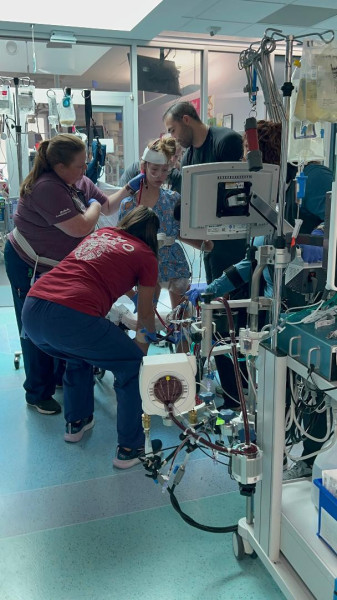 “Basically, Emerson developed severe inflammation in her lungs as a result of getting the Bactrim,” Dr. Nkwantabisa said. “This inflammation ended up causing pretty severe lung injury and damage to the air sacs in the lungs, resulting in pretty severe air leaks that required the placement of chest tubes to allow the air to escape from her lungs.”
Despite the chest tube placement and subsequently being placed on a ventilator, Emerson’s lungs were so inflamed that no amount of ventilator support could move air in and out of her lungs adequately to support her oxygen levels.
“We all need a certain amount of healthy air sacs to be able to breathe and exchange gases.” Dr. Nkwantabisa explained. “So when you get sick with, for example, very severe pneumonia where you don't have enough healthy open air sacs to exchange gas, we usually will intubate you and put you on a ventilator to breathe for you. But the ventilator only works when you have a reasonable number of healthy air sacs. If every air sac is injured or not working well, then the ventilator is limited in terms of how it can help.”
One day Emerson is a normal pre-teen dealing with all of the things that come with adolescent development and, within a matter of weeks, she’s on life-support with lungs so sick doctors began preparing her and her family for the possibility of needing a lung transplant.
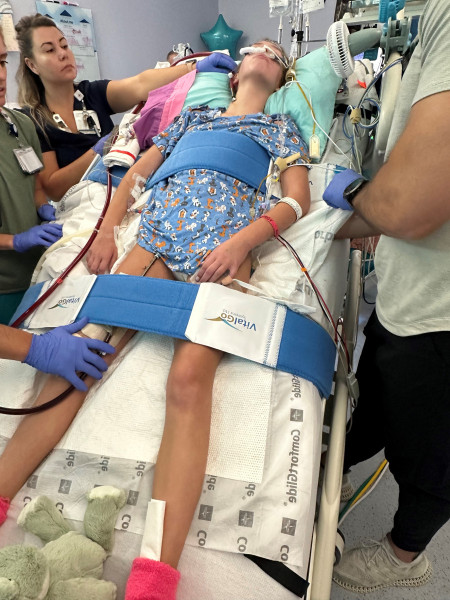
“It's been the worst thing ever I could imagine,” Ashlee said. “But then there's been such high moments, you know, when I see her get up and walk with three ECMO lines in her legs. It's just miraculous.”
A Critical Lifeline
 Think of ECMO as an external artificial lung. Tubes are inserted into large blood vessels, like the femoral artery and the femoral vein. Those tubes carry blue blood out of the body and pass it through an external machine that removes carbon dioxide and infuses oxygen into the blood. The oxygenated blood then flows back into the body, delivering vital oxygen to the patient’s organs. It is one of the most advanced forms of life support available.
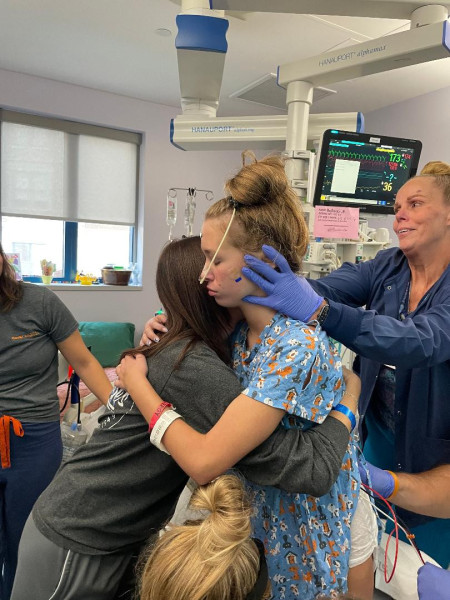
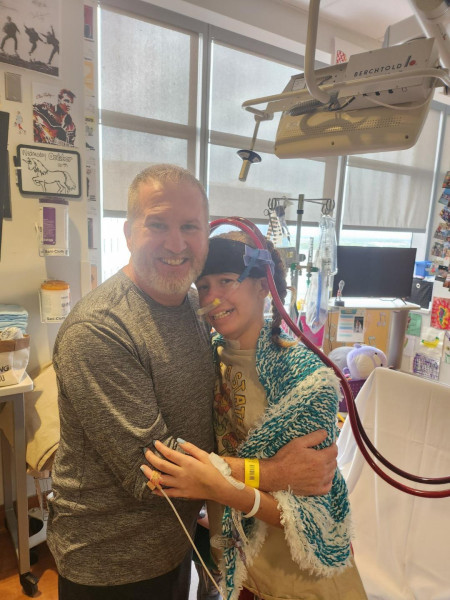
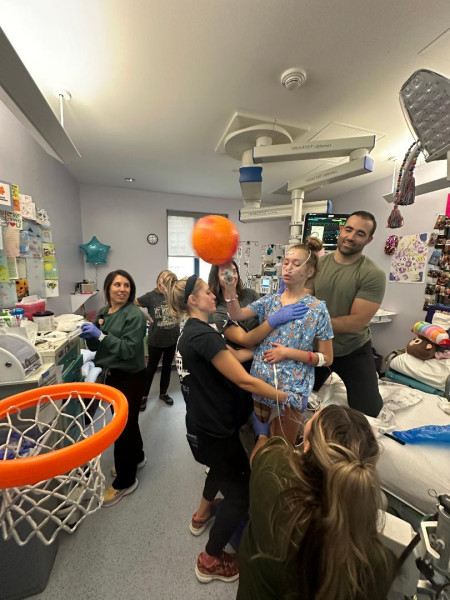
There are very few patients that meet the criteria for remaining awake while on ECMO, says Danielle Ransonette, Cook Children’s ECMO co-coordinator. For one, the patient must have adequate pain control and tolerance without requiring complete sedation, and that doesn’t happen often, especially in children. The patient also has to be at a developmental level where they can follow directions and be reasoned with to protect the ECMO cannulae. Meeting the criteria meant Emerson had the opportunity to shoot a few basketball hoops, do physical therapy and to stand to hug her parents, all while on ECMO.
Rather than seeing the lung assist device as an obstacle, Emerson saw it as the lifeline that it was, and chose gratitude as her fuel.
“What definitely kept me going is I finally realized that it's my support,” Emerson said. “There was a huge chance I could have been dead without it. And I think that's definitely a huge reason that I'm still going.”
An Elite Force
Cook Children’s has a team of professionals specially trained to operate ECMO, and a member of this team is at the patient’s bedside 24/7 for as long as they are on the device.
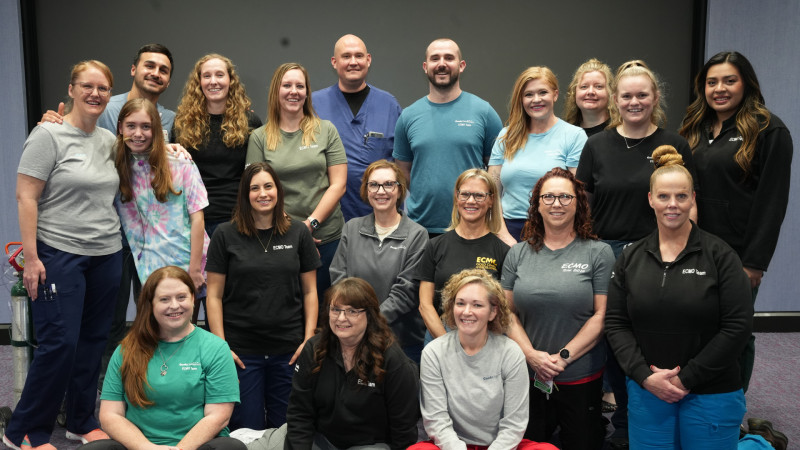 Dr. Nkwantabisa likens this team to the military’s Navy SEALs, a team of elite special forces known for conducting high-risk and often covert operations. The ECMO team is called on when things are really dark and dire, he says. They are highly trained, highly competent and very low-key. Like the SEALs, these respiratory therapists and nurses are called away from their daily jobs and units throughout the hospital to accomplish a separate mission to care for an ECMO patient, sometimes for weeks or months on end. When all is said and done, they return to their respective units with little to no fanfare.
“It takes a special kind of person because, not only is it the wear and tear emotionally and physically that you go through, but there's also an intense amount of training that you come in and do over and above your regular scheduled hours,” Ransonette said. “It takes somebody who's truly dedicated, who really wants to further their knowledge and skills and really help take care of these kiddos.”
A Voice for the Voiceless
In late September, while still on ECMO, Emerson was transferred to a pediatric lung transplant center in Houston to prepare for a potential transplant. Once again, she defied the odds. On October 30, she was removed from ECMO and her transplant subsequently denied due to her recovery and progress.
“It was just such justification for faith and God when we got the [transplant] denial letter,” Ashlee said. “Probably one of the happiest days of my life. Needless to say that that particular letter will be framed and placed at home.”
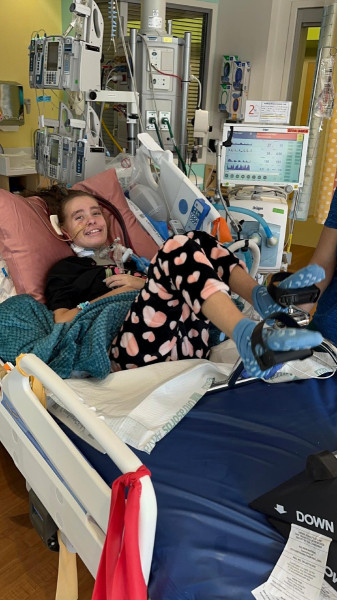
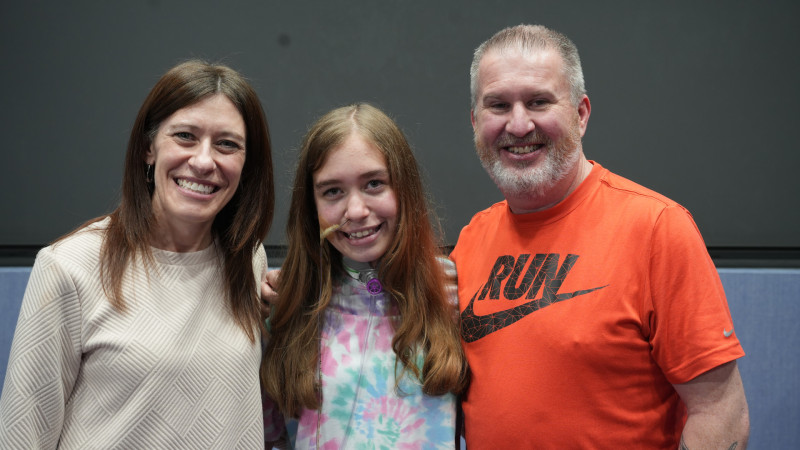
On December 12, Emerson was transferred back to Cook Children’s and admitted to the Transitional Care Unit (TCU) where her lungs continue to recover as she does daily physical therapy to strengthen her body.
“We consider [Cook Children’s] home,” Ashlee said.
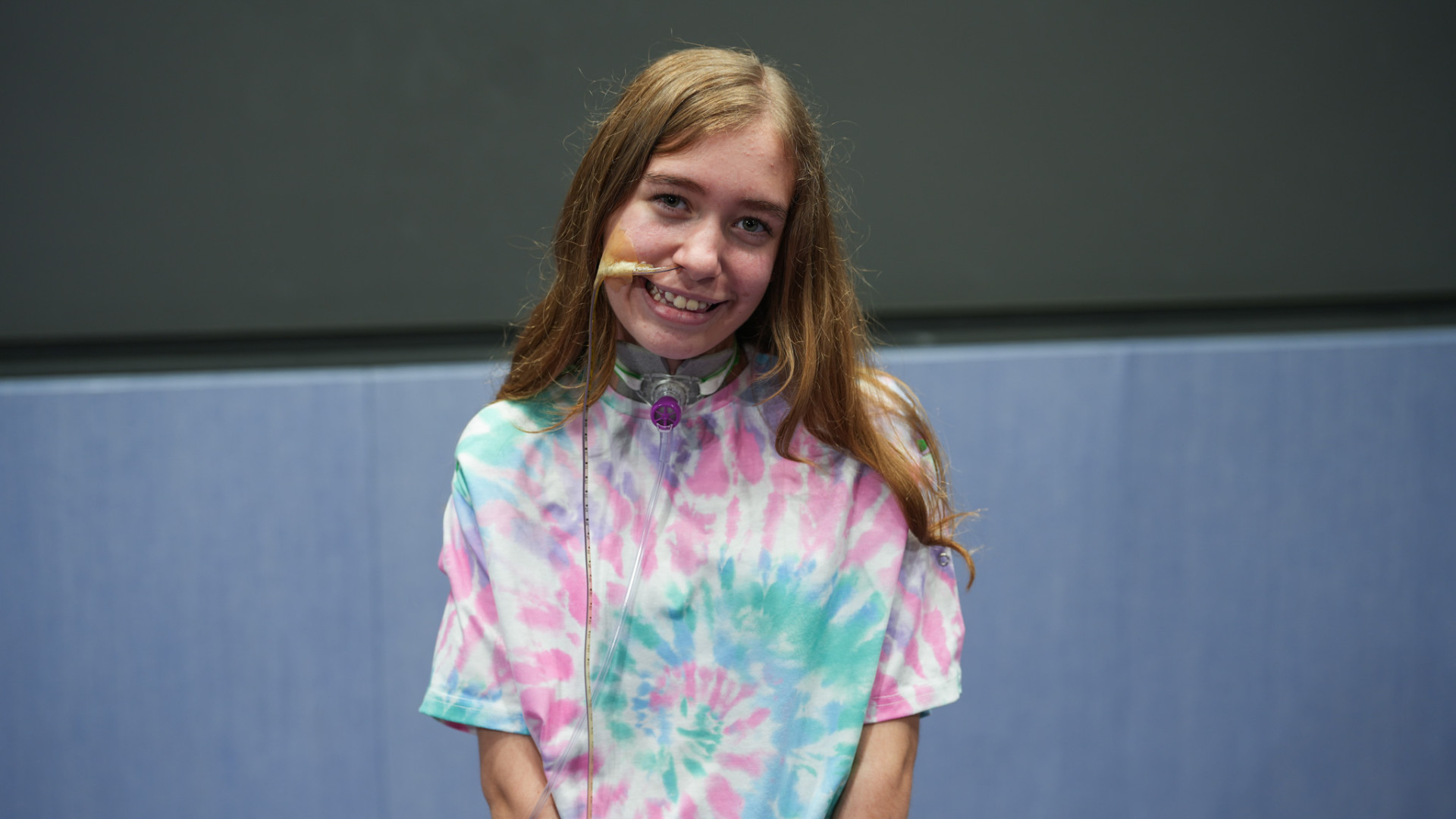 Just as Emerson embraced ECMO as a lifeline, she and her family view her health and healing journey as one with purpose.
“We told Emmie early on when we were all trying to get a grasp on this just sudden change in her health, that God has a plan for her, and that she's got a story to tell when she gets through all of this,” said Robert Dancy, Emerson’s father. “We don't know what it is or how she's going to use it, but she's going to have a story to tell to help other people.”
Part of that story is the role parents and caregivers can play in supporting other children on ECMO. Having experienced ECMO while awake, Emerson was uniquely positioned to share her discomforts, such as feeling cold while on the machine, and how solutions like hot packs and warm blankets helped her feel more comfortable. Emerson hopes to use what she’s learned from the experience to be a voice for the voiceless, guiding caregivers in easing the pain and discomfort of those on ECMO who cannot communicate their needs.
And she has a message for other children facing life-changing circumstances and hardships.
“Never give up,” she said. “You will have days when you don't want to do anything because you're going to feel like you're never enough. But, no matter what, never ever give up. Keep the faith.”
In the News
Emerson's incredible story was featured on CNN. Watch the video here.