

Treating Obesity: Cook Children’s - Prosper Bariatric Surgery Program Marks First Anniversary
Since seeing the first patients in April 2024, the bariatric program in its debut year treated 158 teens who struggle with the complex and chronic disease of obesity.
By Jean Yaeger
Teens with severe obesity are losing weight, making healthier food choices and gaining self-confidence thanks to the Cook Children’s Adolescent Bariatric Surgery Program.
Since seeing the first patients in April 2024, the bariatric program in its debut year treated 158 teens who struggle with the complex and chronic disease of obesity.
The program – located at Cook Children’s Pediatric Specialties Prosper -- is designed as a series of appointments for evaluation, education, nutrition counseling and other services. In consultation with their parents and the medical team, patients may choose to undergo gastric sleeve surgery six months into the program. 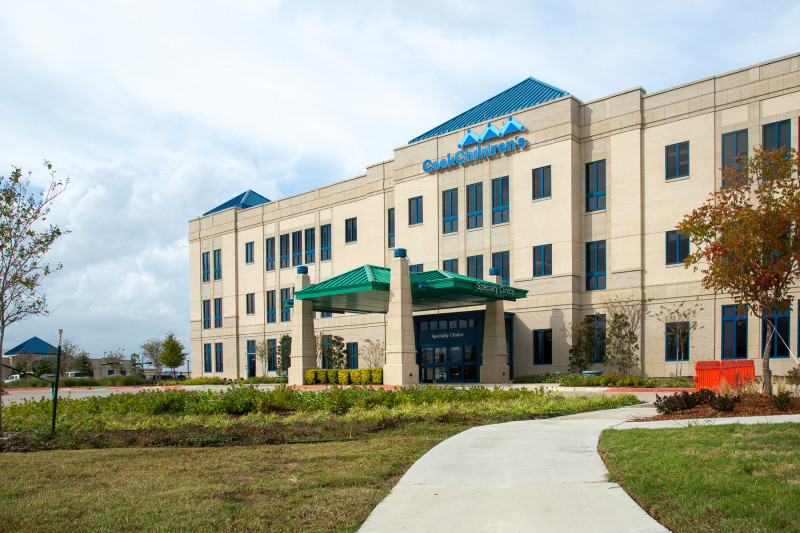
It’s an evidence-based approach in a clinical setting that applies expertise and sensitivity to the physical and emotional challenges of obesity.
“Families feel an immense sense of relief during their visits with us,” said pediatric surgeon Kanika Bowen-Jallow, M.D., the program’s medical director. “They deeply appreciate being in a safe, supportive environment where they can openly discuss their child’s weight loss journey and explore options without fear, judgment or shame.”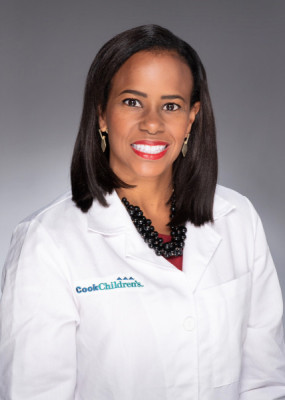
In the year since its launch, the program enrolled patients whose average age was 15-16 years old. Their average weight was 293 pounds, with an average initial BMI of 46.6.
Board-certified obesity medicine director Lily Han, M.D. provides medical management of obesity and any comorbidities. Comorbidities are conditions that commonly occur together with obesity, such as diabetes, heart disease, high blood pressure, polycystic ovary syndrome, depression and sleep apnea.
Getting specialized care for obesity can help those teens cut back on or eliminate the medications they’ve been taking for related conditions.
“It’s changing their future while improving both their physical and mental health,” Dr. Han said. 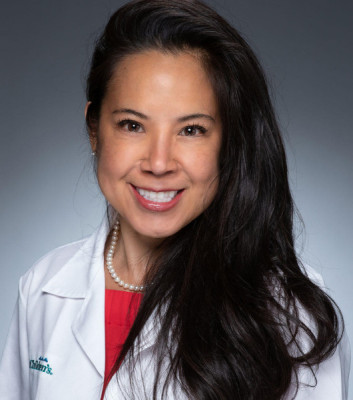
The program hit a milestone on Nov. 18, 2024, when the first gastric sleeve procedure at Cook Children’s was performed. Dr. Bowen-Jallow removed about 70 percent of the patient’s stomach through tiny incisions. At her three-month checkup after surgery, the patient had lost 50 pounds.
To celebrate the program’s first anniversary, we wanted to share its key points and successes. Here’s an overview.
Getting Started
Cook Children’s Adolescent Bariatric Program offers customized support and resources for patients ages 13-18. Participants should be referred by their primary care provider or physician from a specialty such as endocrinology or adolescent gynecology. They can access the referral form online.
In order to qualify, candidates must have:
- BMI of 40 or higher, or
- BMI of 35 or higher, along with a comorbidity
The program follows obesity treatment guidelines from the American Academy of Pediatrics. Each monthly appointment provides one hour of intensive health behavior and lifestyle therapy. Family partnership plays an important role in all aspects of treatment.
It’s common for patients to feel timid at first. But they gradually open up. Dr. Bowen-Jallow says the teens in bariatric care often tell her they want to lose weight so that they can ride rollercoasters and find fashionable clothes that fit.
“Many of them dreaded doctor’s appointments and have faced severe bullying from peers at school,” Dr. Bowen-Jallow said. “Here, they find a welcoming space where they can ask questions, feel supported and learn how to build healthier habits.”
Participants meet each month with a dietitian who teaches strategies for moderate portion size and healthy snacking. They’re asked to keep a food journal to track what they’re eating. They set goals for exercise.
Dr. Han helps patients reduce their adipose tissue, also called body fat, while maintaining muscle mass. She can run genetic tests or prescribe medications for weight loss as needed. Patients who take medication are closely monitored for side effects.
Obesity affects an estimated 14.4 million children and teens in the United States. It’s caused by genetics and other factors. The program at Cook Children’s gives hope and results.
“The community-wide response and enthusiasm from near and far has been amazing,” Dr. Han said. “I didn’t realize the reach our program would have with patients driving up to five hours for a visit.”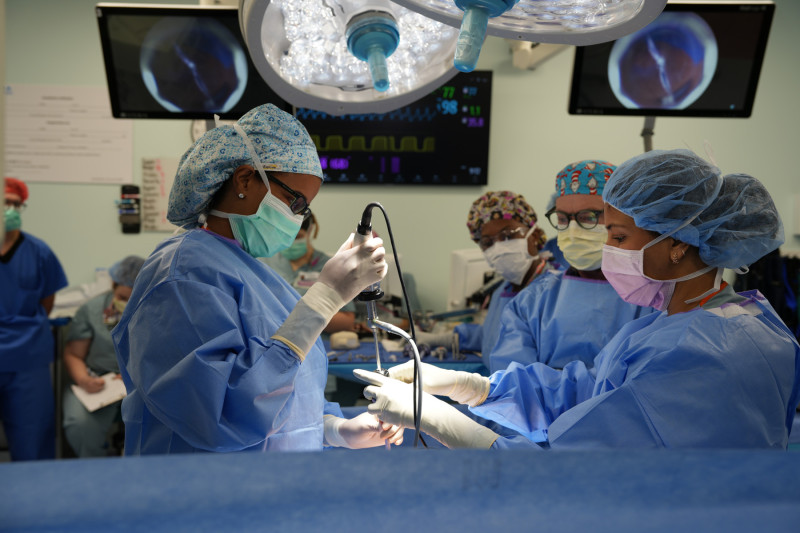
Gastric Sleeve Surgery
Not everyone in the program chooses to do bariatric surgery, but it’s an option. Dr. Bowen-Jallow performed gastric sleeve surgery on 15 teens in the program’s first year. It’s a laparoscopic procedure, meaning Dr. Bowen-Jallow uses a camera inside the abdomen. Patients typically go home from the hospital the next day.
“It’s an incredibly safe operation, and our entire goal is to have patients live the healthy, long life that they deserve,” said Dr. Bowen-Jallow, chair of the American Pediatric Surgical Association committee on Metabolic and Bariatric Surgery.
Bariatric surgery takes place at Cook Children’s Medical Center -- Prosper. Dr. Bowen-Jallow makes five incisions ranging from 5-12 millimeters in length; then she vertically staples the stomach into two sections. The larger section of the stomach comes out through an incision opening. The process takes about an hour and a half.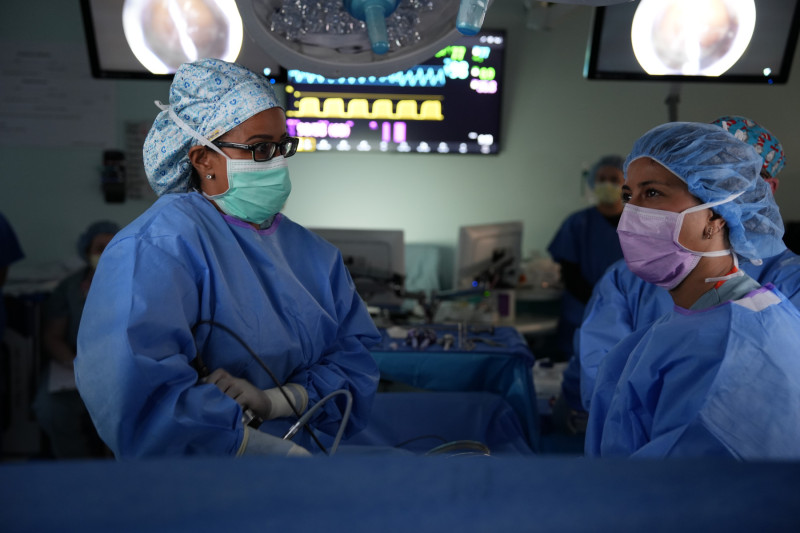
Recovery and Follow-up
Nausea is typically the biggest challenge just after surgery. Solid foods are phased in slowly to avoid bloating or discomfort.
“The main thing we stress after surgery is hydration,” Dr. Bowen-Jallow said. “We teach them to always drink before they eat. We stress water. We have a whole script we follow to make sure that they’re meeting their hydration and protein goals.”
Dr. Bowen-Jallow said patients should expect some discomfort initially. But they can return to school within a week. No heavy backpacks at first, due to lifting restrictions.
Following surgery, patients return to the clinic for checkups after two weeks, four weeks, three months, six months and each year for four years. They will continue to have access to the dietitian and all the program’s resources. 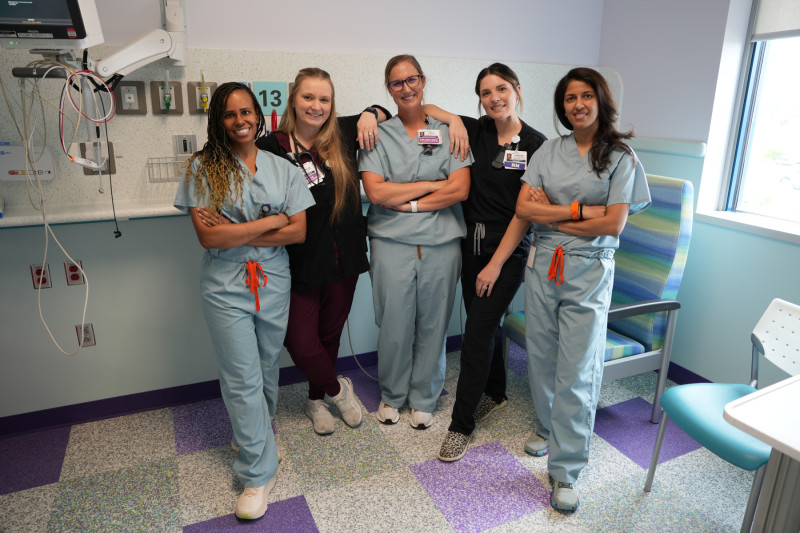
Patients can expect to see a 30% reduction in BMI over the first year after surgery. Weight comes off because of a smaller stomach capacity and less of the hormones that cause hunger cues.
It’s rewarding, Dr. Bowen-Jallow said, to watch the patients’ transformation.
“Their self-confidence soars, they feel healthier, and many experience a significant reduction in their medications,” she reported. “Their health and long-term outlook are completely renewed.”
Heading into its second year, the Cook Children’s bariatric program anticipates greater demand for services and a fuller slate of scheduled surgeries.
“Growth at our current location is accelerating, and I do not see it slowing down any time soon,” Dr. Bowen-Jallow said.
Adolescent Bariatric Surgery Program
Bariatric surgery is a serious choice for anyone, and even more so when it involves an adolescent. However, bariatric surgery may be the appropriate choice for kids who need to obtain a healthy weight and/or reverse serious life-threatening medical conditions. Read about our team, how the program works and our approach.
Go here for our Bariatric Program referral form.
