

Teen Undergoes First Surgery for Weight Loss at Cook Children's
Bariatrics program at Cook Children's Pediatrics Specialties Prosper marks milestone with treatment for adolescents with obesity.
By Jean Yaeger
Leannyvette Hernandez, the first patient to undergo weight loss surgery at Cook Children’s Adolescent Bariatric Surgery Program, dropped more than 50 pounds and improved her health within three months.
Fifteen-year-old Leannyvette had struggled with obesity since age 4, when her extra pounds already raised concerns about potential diabetes and fatty liver disease. Starting in preschool, other kids bullied her. As a teen, she needed increasing doses of medications to treat several conditions related to obesity. 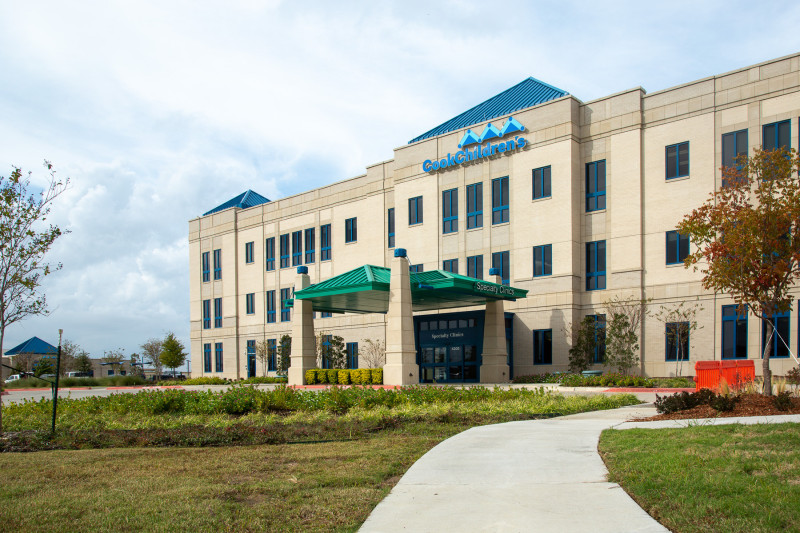
Since her surgery, her body mass index (BMI) has decreased 10 points to a healthier range, and she takes less medication. She’s sleeping better and more active in gym class. She eats more vegetables and smaller portions without feeling hungry.
When the Cook Children’s Adolescent Bariatric Surgery Program opened in April 2024, Leannyvette eagerly joined on a referral from her endocrinologist. She traveled from her home in Fort Worth for six monthly appointments that included evaluation, education, nutrition counseling and other services at the clinic, located at Cook Children’s Pediatric Specialties Prosper.
The program offers customized support and resources for patients ages 13-18. Each monthly appointment provides one hour of intensive health behavior and lifestyle therapy to set patients and their families up for success. It provides hope and results.
On Nov. 18, 2024, Leannyvette made Cook Children’s history by becoming the first patient in the program to undergo gastric sleeve surgery, which removed about 70 percent of her stomach. Three months after that landmark surgery, she was still losing weight due to her smaller stomach capacity and reduced appetite. 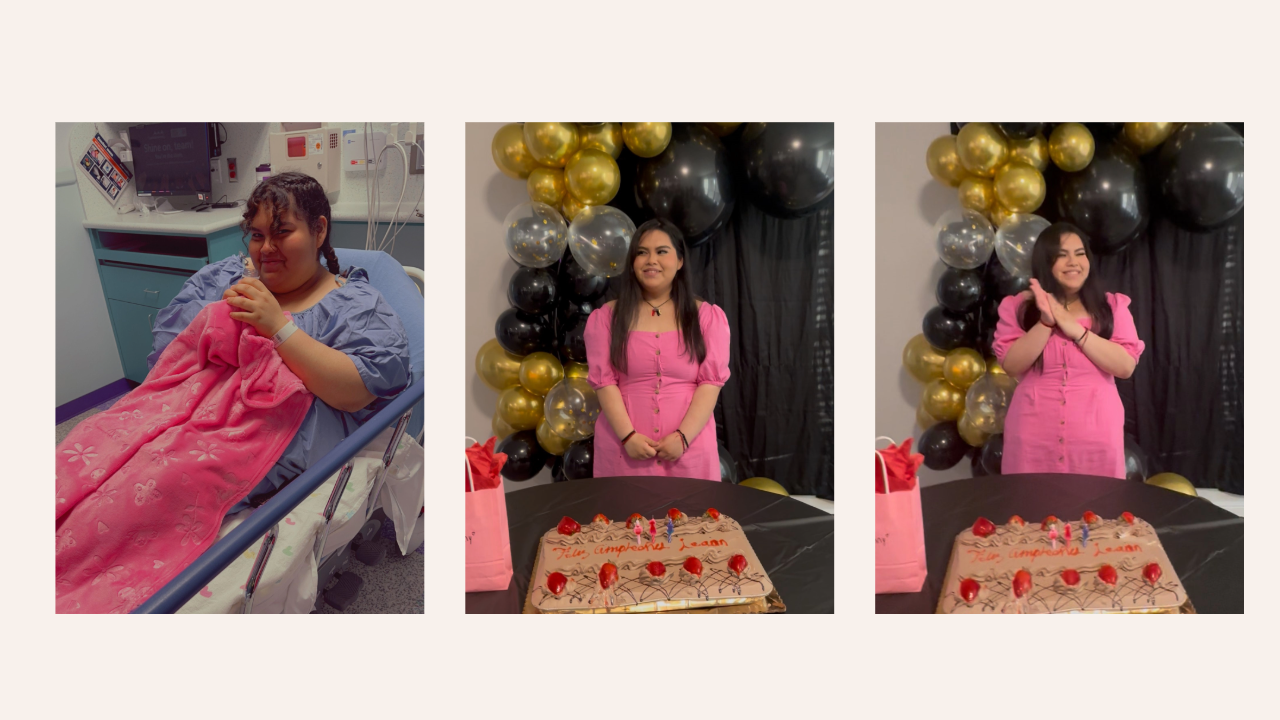
“It feels good,” said Leannyvette, reporting improvements in her energy and mood, too.
Leannyvette wants to share her experience so that she can help inform and inspire young people who suffer from obesity, a chronic disease that affects an estimated 14.4 million children and teens in the United States. She remembers heading into surgery with a mix of excitement and nervousness.
Her mom, Mayra Gonzalez, sent a simple text message on that November morning: “Her new life will start today.”
Building Blocks: Nutrition and Education
There’s a genetic component to obesity, and it runs in Leannyvette’s family. Over the years, Leannyvette tried exercising and cutting calories to lose weight, but nothing worked. She was diagnosed with polycystic ovary syndrome (PCOS), a condition that obesity can contribute to. She had trouble sleeping, which can also be linked to obesity. Doctors treated her PCOS and insomnia with medication.
Another problem? Leannyvette couldn’t find clothes she liked in her size. And she felt self-conscious.
“Sometimes I’m scared to go out because I feel like everybody’s looking at me or judging me,” she said prior to surgery. “At school, I don’t like to put myself out there. I just tend to block everything out because I don’t like hearing people’s opinions.”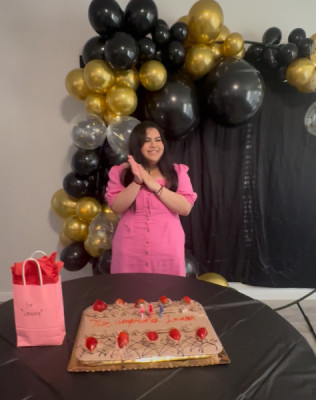
When Cook Children’s endocrinologist Teena Thomas, M.D. suggested the Cook Children’s Adolescent Bariatric Surgery Program, Leannyvette was on board. During the six-month course of the program, she kept a food journal and worked with a dietitian who taught her to make nutritious food choices in correct serving sizes.
In those six months of preparation, Leannyvette adjusted her eating habits. She increased her protein and water intake. She gradually cut out fast food and sodas. To her surprise, she discovered she likes broccoli and salmon.
Pediatric surgeon Kanika Bowen-Jallow, M.D., medical director of the bariatric program, described Leannyvette as a “shooting star” who eagerly collaborated every step along the way.
“We have the kids who come back every month with their whole food journal. They’re ready to show somebody how detailed they’ve been. That’s not every kid, but that is definitely Leann,” Dr. Bowen-Jallow said. 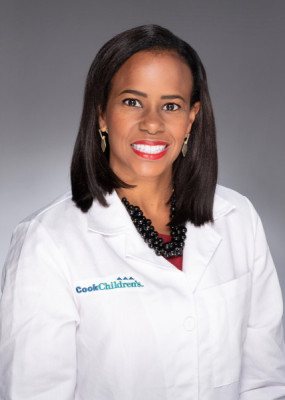
Her mother, Mayra, said everyone at the clinic was encouraging. They made Leannyvette feel comfortable discussing her obesity challenges. They made sure she understood she’d be on liquids and then a restricted diet for a period after surgery.
Mayra advised parents of teens to be open-minded about the procedure. Although a little scary, she said, the choice to go through with surgery gave Leannyvette hope for more opportunities, more activities and less medication.
“People might think that surgery is the easy way out for obesity, but it’s not,” Mayra said. “The kids have to learn how to eat again. They have to learn to make better choices. It’s not just before the surgery or during the process, it’s for their whole life if they want to stay within the limit of the BMI.”
Surgery and Recovery
The gastric-sleeve procedure took place at Cook Children’s Medical Center -- Prosper, where Dr. Bowen-Jallow stapled Leannyevette’s stomach into two sections. The larger section of the stomach was removed through a small incision.
Leannyvette remembers waking up with no pain. She stood up and walked without help from the nurses. Her biggest post-op challenge was nausea, but a prescription medication eased the nausea after two weeks.
Her clear liquid diet gradually progressed to protein shakes and yogurt and then a diet of soft solids. She drank 64 ounces of water a day, walked around the house every two hours and did breathing exercises and leg exercises to prevent blood clots.
Because Leannyvette’s surgery occurred just before Thanksgiving, she was still on a limited diet during the holidays. She admitted it was hard to show self-control when some people around her were eating foods she craved. 
At her three-month checkup, she was cleared to eat a regular diet. Leannyvette had dropped from a size 20 to a 14 by then. Her face and abdomen were slimmer. She was able to stop taking one of her meds. Bottom line for Leannyvette: The end result was worth the sacrifices.
“I would honestly say if they feel like doing the surgery, to trust their instinct and just do it,” she said in advice to teens with obesity.
Mayra is proud of her daughter’s self-discipline and progress on a path to better health. Not everyone understood why Leannyvette chose the surgery option, said Mayra, who underwent bariatric surgery herself earlier in 2024.
“Some people told me, ‘Don’t do it. She’s too young. She can just go on a diet.’ I was like, “No, we’ve tried everything and we weren’t successful. I know this was the best decision for her.”
RELATED STORY:
Cook Children's Adolescent Bariatric Surgery Program Marks First Anniversary
Cook Children's Adolescent Bariatric Program Welcomes First Patients
Specialized Care for Obesity
The Cook Children’s Adolescent Bariatric Surgery Program team includes a board-certified obesity medicine pediatrician, registered dietitian, advanced practice provider, psychologist and a pediatric surgeon. We educate and empower our patients for long-lasting weight loss. For more information, including videos in English and Spanish, check out our website.
