Summer Camp Opportunities: "A Shining Example of Cook Children's At Its Best"
By Ashley Pagenkopf, MS, CCLS, Child Life Specialist at Cook Children's
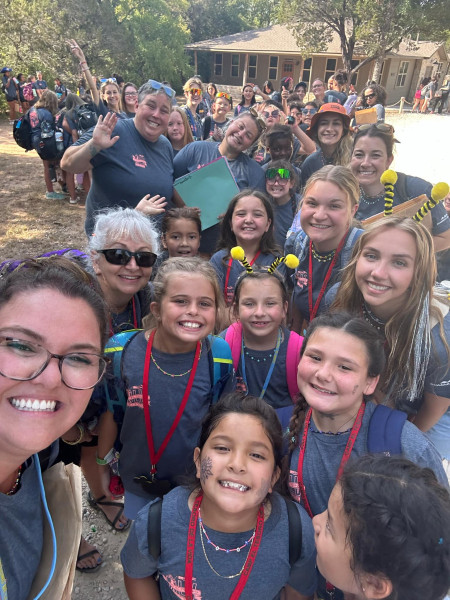
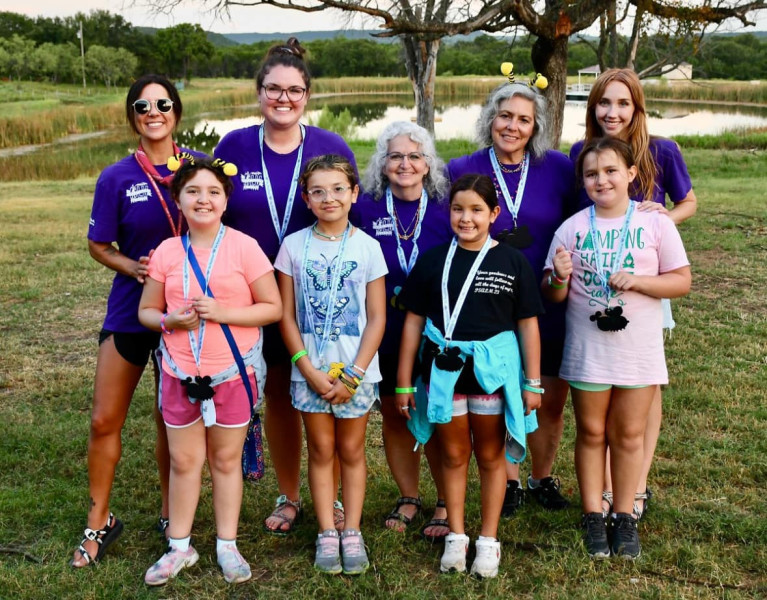
The summer is gearing up, and camps have already begun! For some Cook Children’s patients, the joys and anticipation of camp are dancing through their minds. Camp is nothing short of magical. There is something so fulfilling about stepping out of your normal day-to-day life and stepping into a space filled with encouragement, joy and challenges that make you feel like you are literally on top of the world. New friendships are created, fears are overcome and new discoveries are made – about self, others, and the world.
For patients at Cook Children’s, a week at summer camp can feel impossible given physical, medical and emotional challenges. For the parents and caregivers of these patients, fear takes over at the thought of every possible bad scenario. This is where Camps for Kids at Cook Children’s takes the wheel. Camps for Kids exists to provide a camp experience for children that are not able to participate in a traditional camp due to physical and medical needs.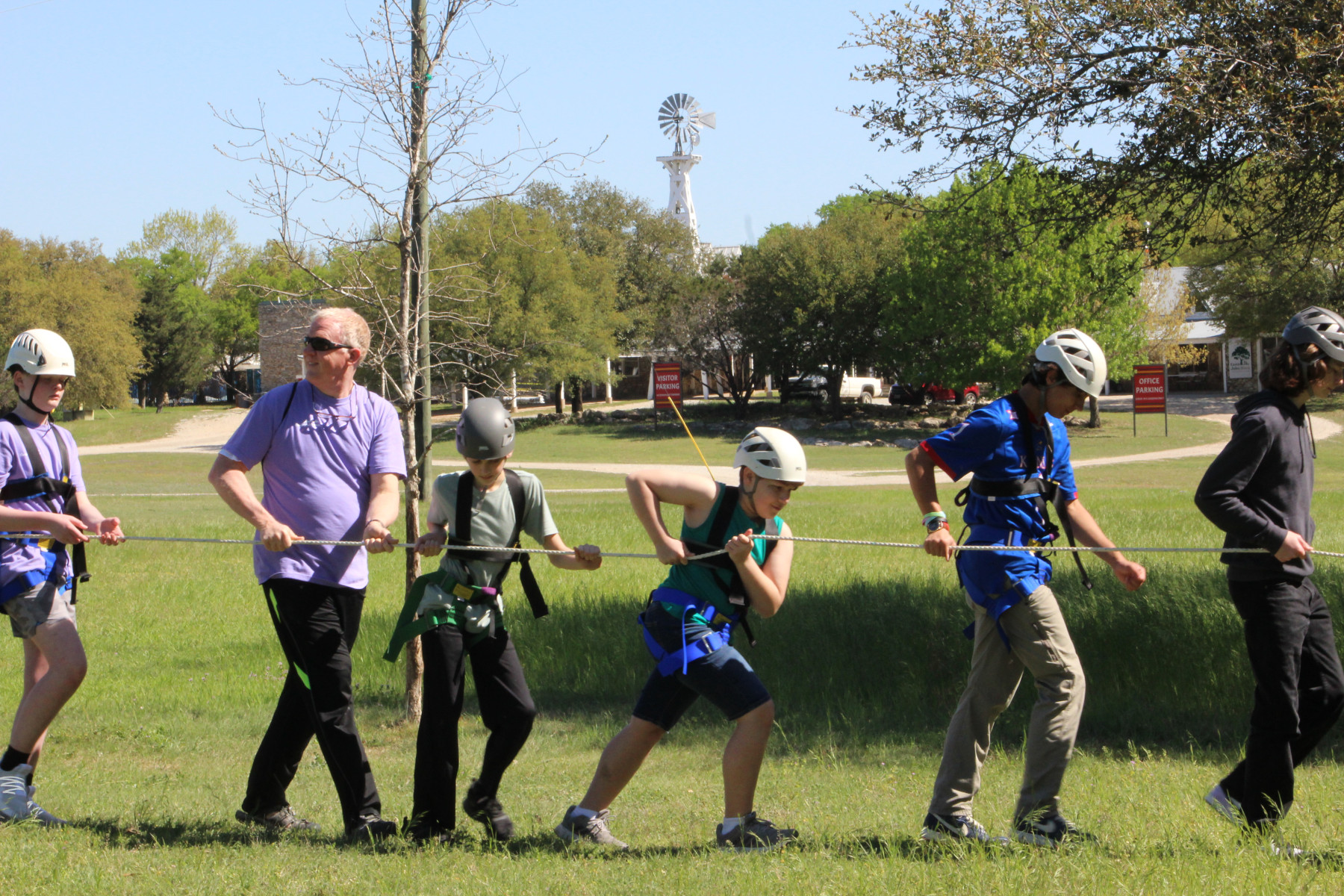
Cook Children’s has offered camps to patients since 1981 and partners with camps around Texas to host a week or weekend. Currently camps are held at Camp John Marc, Camp Carter, Camp for All, Camp Mak-A-Dream and Camp El Tesoro. Camp Sanguinity was the first camp offered in the summer of 1981 to children with cancer and their siblings. In 1995, more camps were added to the summer line up. Camps for Kids was established in 2001 as an official camp program to support more diagnoses and populations.
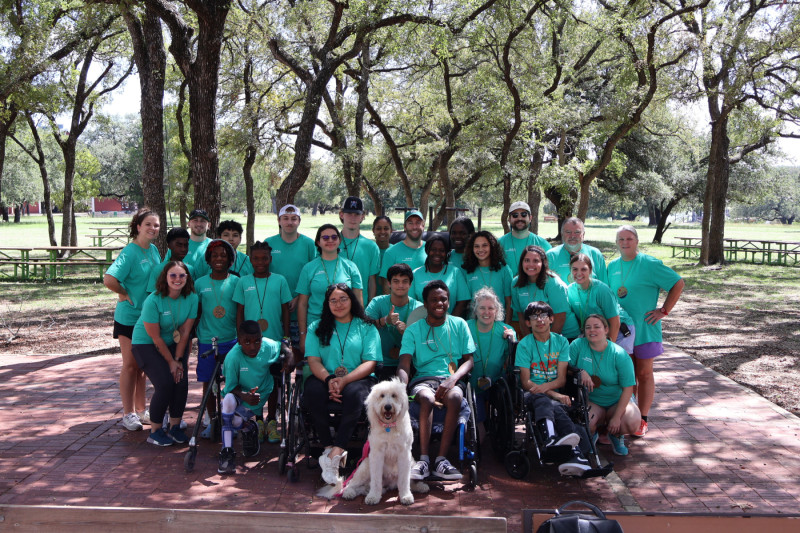
Today, Cook Children’s Camps for Kids offers 14 week long summer camps and 15 weekend camps throughout the year. These camps serve many different populations of patients which requires a large number of medical staff and volunteers to ensure that each camper is safe and has the best experience possible. Teams from all over the medical center and across multiple departments come together to direct and staff camps. Many Cook Children's team members use their own time to volunteer at camps throughout the year. It is a beautiful collaboration of many different parts of the Cook Children’s community coming together to serve.
Summer Camps include:
- Camp Reynal – Kids with kidney disease
- Camp Mak-A-Dream – Young adults with cancer
- Camp Discovery (day camp) – Kids with ADHD
- Camp TLC – Kids with spina bifida
- Camp Oasis – Kids with Chron’s and colitis
- Camp MDA – Kids with muscular dystrophy
- Camp Moss – Kids with heart disease
- Camp Lancelot – Kids with Type 1 diabetes
- Camp Sanguinity – Kids with cancer and their siblings
- Camp Jubilee – Kids with sickle cell anemia
- Camp Spark (day camp) – Kids with epilepsy
- Camp Ailihpomeh – Kids with hemophilia
- Camp Hope – Kids with HIV
- Camp Fire Camp El Tesoro (Camp Fire Camp El Tesoro de la Vida) – Kids who have experienced the death of a loved one
Many of the weekend camps are family camps which provides another level of support to patients, siblings and family unit. Having the opportunity to process and learn together while also experiencing the magic of camp and activities alongside one another strengthens these patients and families.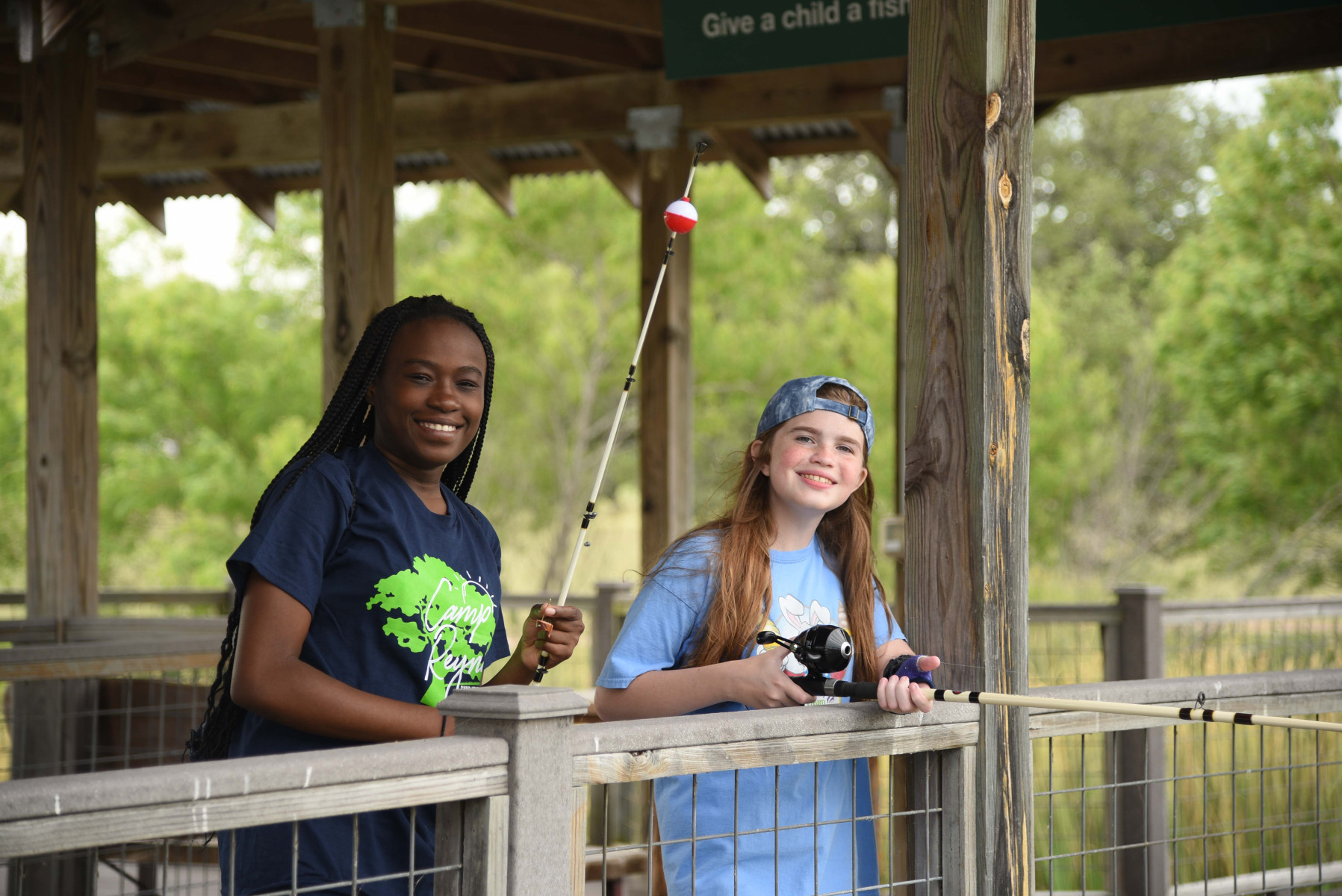
Weekend Camps include:
- Camp ID – Families from Infections Disease clinic
- Camp O’Hana – Families of cancer survivors
- Camp Courage – Teen sibling camp
- Camp Strong – Families from Cook Children's rehabilitation unit
- Camp Believe – Teens with bladder exstrophy
- Camp Renal – Teens with kidney disease
- Camp Rheumies – Teens with a rheumatology diagnosis
- Camp RISE – Families who have experienced a trauma
- Camp Morning Star – Families who have lost a child
- Camp NOW – Families from neuro/oncology
- Camp Rise – Teens with Type 1 diabetes
- Camp E.E.G – Family with a child who has epilepsy
- Camp LIGHT – Teens with cancer
- Camp Star – Teens from rehabilitation unit
- Camp Tecumseh – Families of patients with HIV
What Makes Camp Special
“Camp is important for kids for so many reasons," says Katie Campbell, CCLS, Camps for Kids Coordinator. "There are the universal reasons like the opportunity to be exposed to new things, learn new skills, develop their independence, and build new friendships. What makes Camps for Kids special is that it provides kids with an opportunity to attend camp that may not qualify for other camps because of their medical needs. Camps for Kids allows kids to attend camp and meet other kids who have similar diagnosis or shared experiences. The community that is created around those shared experiences provides perspective for campers and adults involved and decreases the amount of isolation kids feel based upon their diagnosis. Meeting someone else who also gets chemotherapy, had to have heart surgery, needs insulin, or has a brother or sister who has to go to the hospital for a long time is powerful. Camps for Kids has been able to grow the weekend family camp program over the last ten years and the opportunities to create community and provide support to one another has been healing for entire families as well.”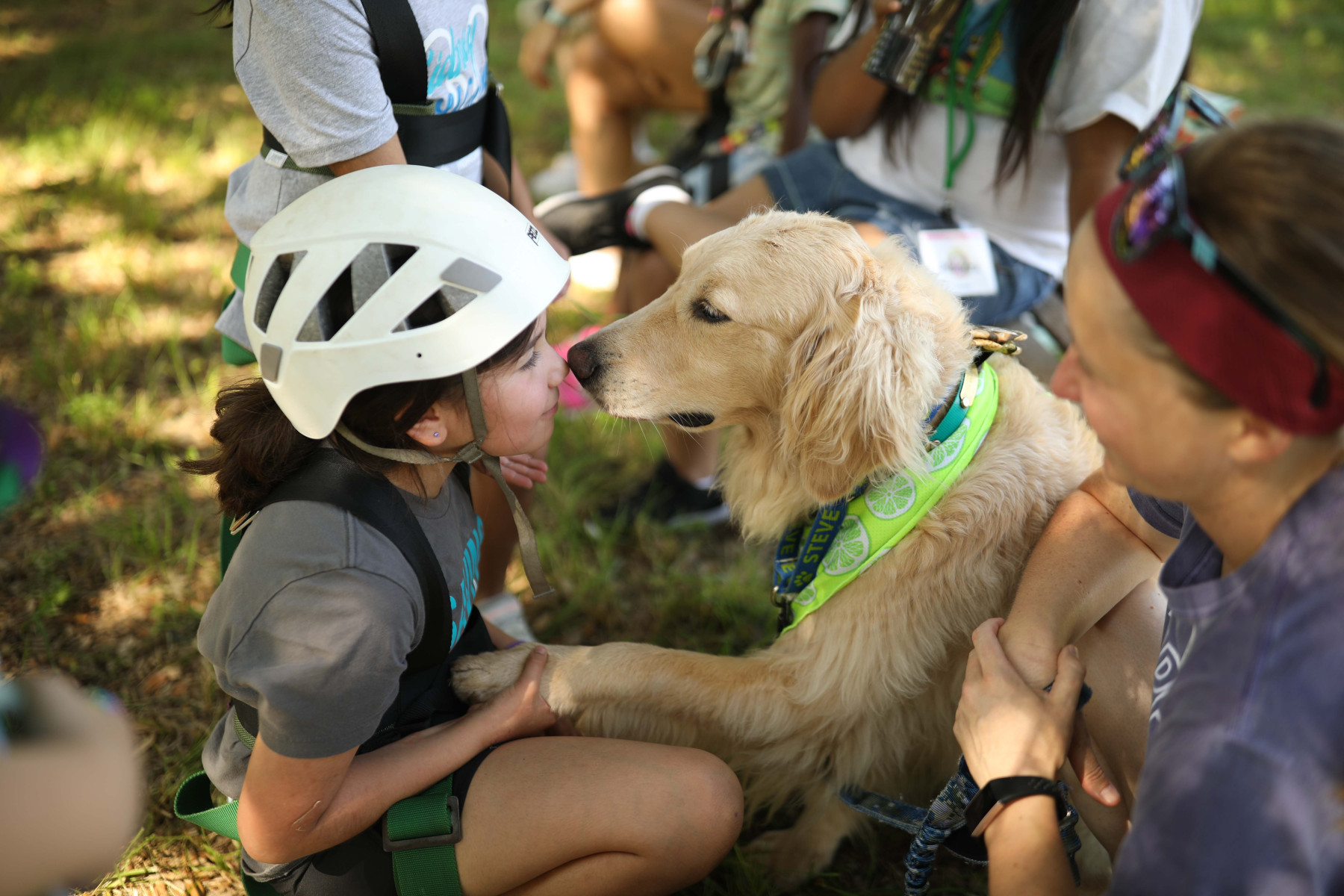
Jessica Russell, CCLS shares a few thoughts from campers: “One of our campers was excited that she met someone else who had similar medical experiences as her. She said, ‘She’s basically just like me!’ Another camper shared that she feels like camp is a second home.”
Kimberly Sheehan, RN is a former Emergency Department nurse and long-time camp volunteer. For 10 years she has been volunteering at Camp El Tesoro De La Vida for children who have experienced the death of a loved one. She is also a Warm Place volunteer and helps facilitate a sibling grief group every other week. She sees the differences between regular group therapy and a week at camp. She shares how quickly the children at camp connect on the first day. They are asked to stand up with their peers depending on the loved one that they have lost – father, mother, brother, sister, grandparent. This is how they start their week. Sheehan says that they initially look incredibly sad and then look around and realize that all the people standing with them know exactly how they feel. She said this is the moment when conversations begin between campers about their losses. “These kids have been given a safe place where they get to talk about all the feelings they have associated with losing a loved one. The uniqueness of camp is that they are living in a cabin with kids their age who l know exactly how it feels to lose someone and they are forced to live together all week and navigate their emotions together,” says Sheehan. She says a week at camp changes how they show up to group therapy. They are more willing to process and talk after a week at camp.
Sheehan goes on to explain one of the most profound aspects of camp. “This camp is so different because these kids are so open in therapy time during camp. They may be crying because they verbalized something out loud that they have never been given the opportunity to say before, but then an hour later, they are playing in the pool or doing archery. It gives them the opportunity to feel all the big emotions and sit with those emotions for a little bit of time while also realizing these feelings are not permanent and they can recover. I truly think that makes them realize they can feel big emotions and still go about their day/life.” The same is true for kids with a medical diagnosis. They realize that they can face the challenge of their diagnosis while still climbing the rock wall all the way to the top!
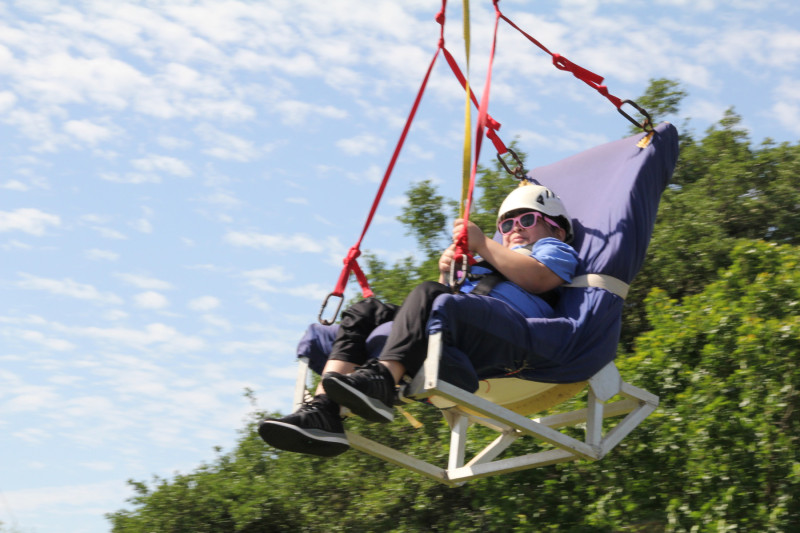
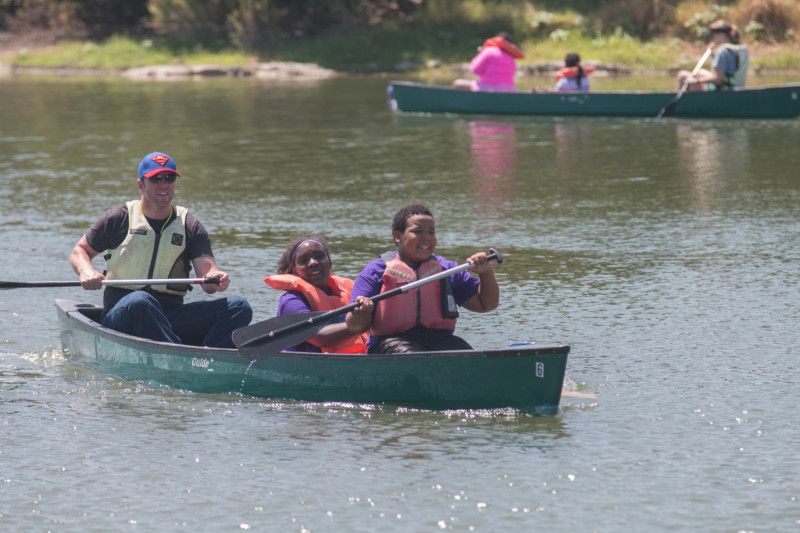
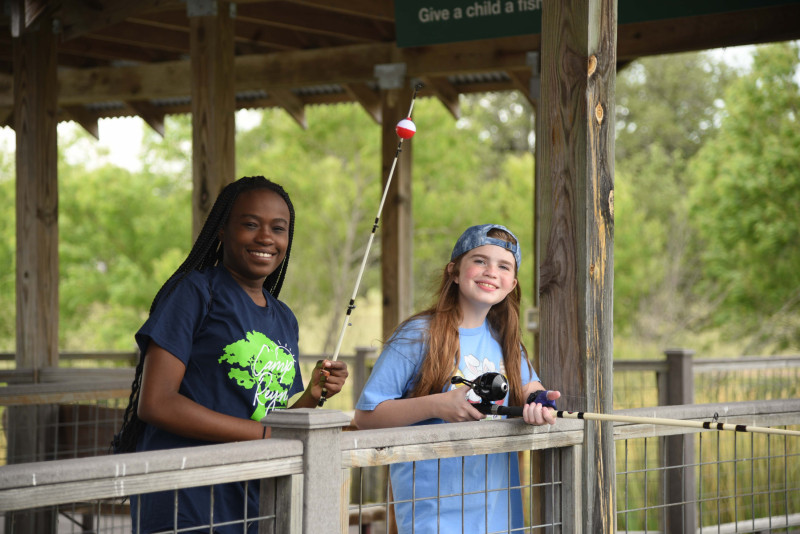
From soaring through the air on zip-line to swimming for the first time ever to catching their first fish, patients experience the thrill of being brave and capable outside of medical treatments or grief. They get to experience joy alongside their bravery. From stargazing under the Texas sky to creating a stunning piece of art, campers get a moment to process their challenges and fears. Sitting around a dining table with new friends who have shared the same hard as each other is empowering and comforting. The work of camp goes beyond a week or a weekend. It is a life-changing and life-giving experience.
A child life specialist with Camp Morning Star, a camp for families that have lost a child, shared a powerful story. She shared of a family that experienced huge challenges following the death of one of their children. One sibling was struggling with their own new medical diagnosis and had retreated into a very dark space. Their pain was apparent in all aspects of their life. At the end of a weekend together at Camp Morning Star, the sibling’s mom shared that the weekend together was the first time she had seen her child’s old self begin to resurface, and she was so grateful. During this same time of sharing, another mom shared that she also had lost a sibling at a young age and had a period of darkness in her life. She took the opportunity to encourage this mom to remain present for her child. This is the beauty of camp. Nothing compares to families coming together, getting to know one another over a weekend, and then encouraging and supporting one another through their challenges.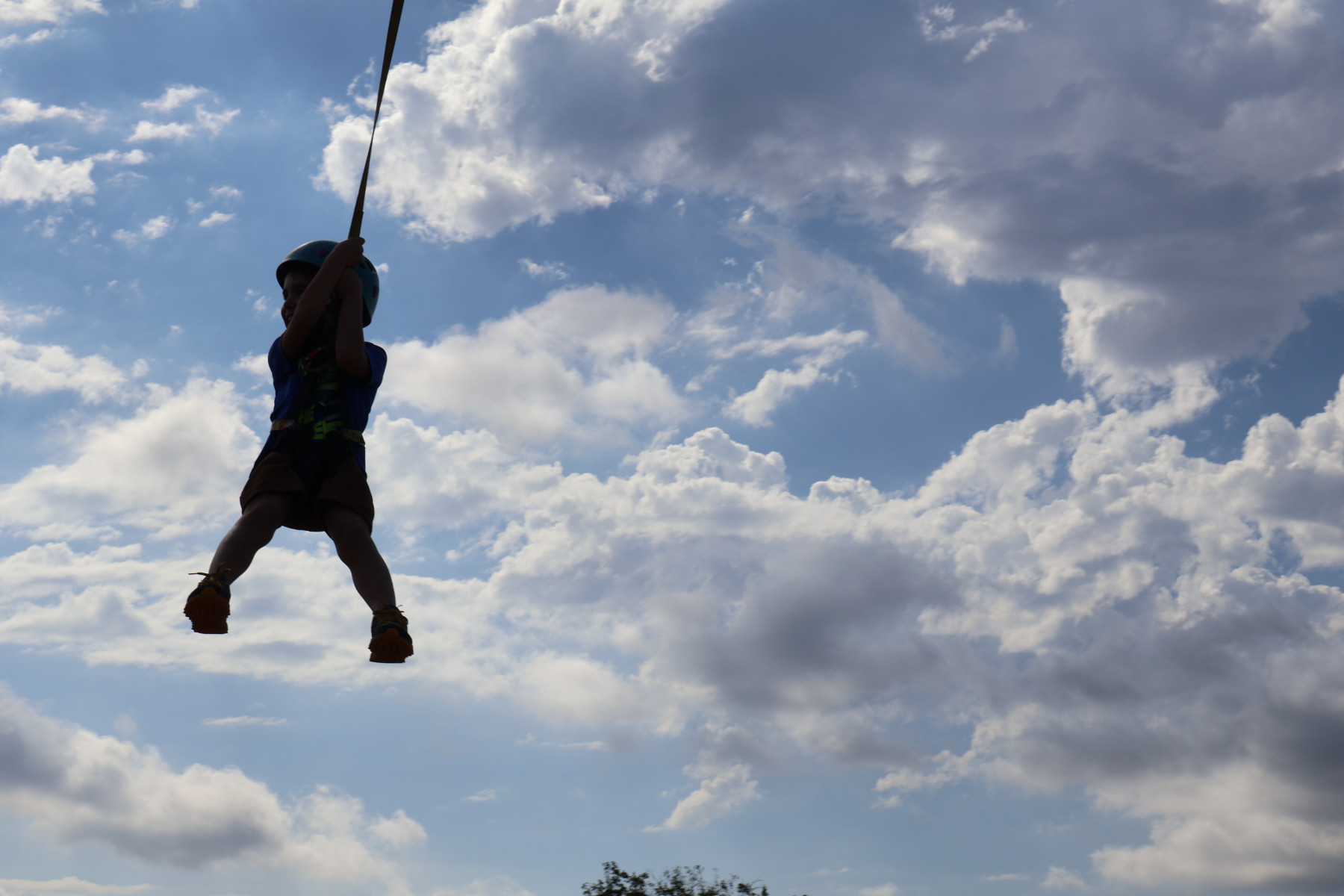
"Cook Children's at its best"
Camps for Kids continues to grow and offer more camps and opportunities to Cook Children’s patients and families. “I know that I am biased, but I believe that Camps for Kids is a shining example of Cook Children’s at its best. The amount of partnership it takes to provide a high-quality program takes commitment and engagement from the entire multidisciplinary team- doctors, nurses, advance practice providers, child life specialist, chaplains, respiratory therapist, physical therapist, clinical therapist, pharmacists, nurse educators, social workers, creative artists, facility dogs, and volunteers. Experiencing the teamwork is impressive and only strengthens the relationship the teams have with one another within the medical center,” says Campbell.
Camp is truly remarkable. It is a magical time when all things feel right in the world and weight is lifted off of hearts and souls. New friendships. New healing. New experiences. Camps for Kids allows children to be present in the reality of their life while realizing that their reality doesn’t have to limit their fun or their reality of also being a kid! Campbell states, “Camp makes a difference for everyone involved.”