

Spring Break with Allergies: Things to Be on the Lookout For This Season
 With backpacks temporarily out of service and the out-of-office alerts on, spring break has officially begun. But for parents and caregivers of children with seasonal allergies, spring break often comes with an unwanted guest: high pollen counts. Whether you are already at your destination or just pulling out of the driveway, Aubri Waters, M.D., pediatric immunologist with Cook Children’s Health Care System, shares tips on how to protect children from environmental triggers and have a plan in case of an allergic flare-up away from home.
Q: What are the most common allergy triggers?
Spring is truly the peak season for allergies, and our changing climate has extended its duration. Tree and grass pollen are the most prevalent this time of year. Families should consult sites like pollen.com to monitor relevant pollen levels for the areas they will be visiting this spring.
Q: What are the differences between a common cold and allergies in younger children?
Seasonal allergies typically appear after age 2, and their prevalence increases thereafter. Before that age, many of those symptoms are usually viral upper respiratory infections; however, we can look at the pattern and duration of symptoms to distinguish them. If there is a family history of atopy (such as allergies, asthma, or eczema), it helps clarify that the patient may be allergic. Sneezing, itchy eyes, and clear nasal discharge are more common in allergies, while coughing, congestion, and thick mucus are more characteristic of respiratory infections.
Q: When staying in hotels or vacation rentals, what are some potential hidden allergens?
There are several allergens to consider: pet dander, mold, dust mites, and even contact allergens in the provided personal hygiene products.
To lower these risks:
- Bring your own dust-mite-proof pillowcases or your personal pillow.
- Mold requires moisture, so inspect the property for visible water damage and ensure proper ventilation upon arrival.
- Pet dander can persist even after the animal is gone; therefore, request pet-free accommodation if allergies are a serious issue.
- If you are concerned about contact allergens, it is recommended to bring your own toiletries.
Q: What should be included in an "essential kit" for an allergic child who is traveling?
Dr. Waters emphasizes avoiding Benadryl due to its potential side effects, which include cognitive effects and arrhythmias (abnormal heart rates). However, there are other options for treating allergies that are more effective:
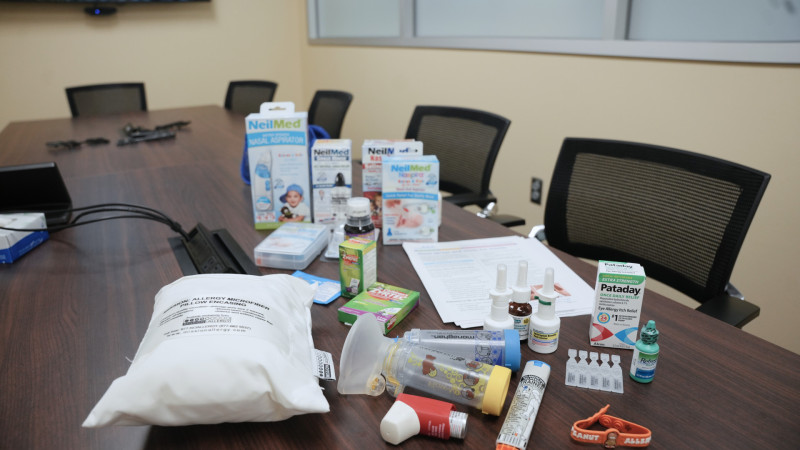 Nasal sprays, such as Flonase or Azelastine, are excellent primary treatments.
- For additional relief, second-generation antihistamines like Zyrtec, Allegra, or Claritin are ideal, as they come in practical formats like liquids or chewable/dissolvable tablets.
- For the eyes, use preservative-free cooling drops or itch-relief drops like Pataday, but avoid Visine, as it can be irritating. Saline drops or a nasal wash bottle are also excellent for clearing out allergens.
- Finally, if your child has asthma or severe allergies, never travel without their inhaler or prescribed EpiPen.
Q: What immediate steps should be taken if a child has a sudden allergic flare-up?
- Identify and remove whatever triggers the reaction. If you know it is due to pollen or a pet, remove the child from that environment. It is recommended to administer a full dose of antihistamine such as Zyrtec, if the reaction includes hives or swelling and does not include anaphylaxis.
- If your child is asthmatic and needs an inhaler for respiratory issues, use it.
- Another over-the-counter medication is Famotidine (Pepcid), which is used to treat hives or swelling.
- If you observe an anaphylactic-type reaction and have been prescribed an EpiPen, use it immediately. Remember to always seek medical attention right after use.
It is rare for seasonal allergies to cause anaphylaxis, which include loss of consciousness or difficulty breathing/swallowing. You must monitor your child to ensure none of these symptoms are present and seek emergency care if they appear.
Q: Are there new treatments or preventive measures?
- First-line treatments remain to be nasal sprays, followed by antihistamines.
- A saline rinse helps clear mucus. By optimizing the sinuses and upper airways, it helps control any infections or allergies occurring there, as well as any subsequent respiratory issues. Additionally, nasal washes, such as rinsing bottles, neti pots, or other child-specific products, help decrease the total allergen load.
- Showering after being outdoors helps remove pollen residue.
- Keeping windows closed during peak pollen hours or when driving long distances helps reduce pollen exposure.
Long-term Options
Allergy shots exist for children with severe symptoms, but these require dedication and commitment. Children with significant allergies, asthma, or eczema might qualify for an injectable medication called "biologic." If you are facing these issues, consult your doctor about this possibility.
