

Product Alert: Snuga Swing and Nursing Pillows Flagged for Unsafe Baby Sleep
Federal safety officials have recalled the Fisher-Price Snuga Swings and revised their standard for nursing pillows, two moves intended to guard infants against unsafe sleep spaces.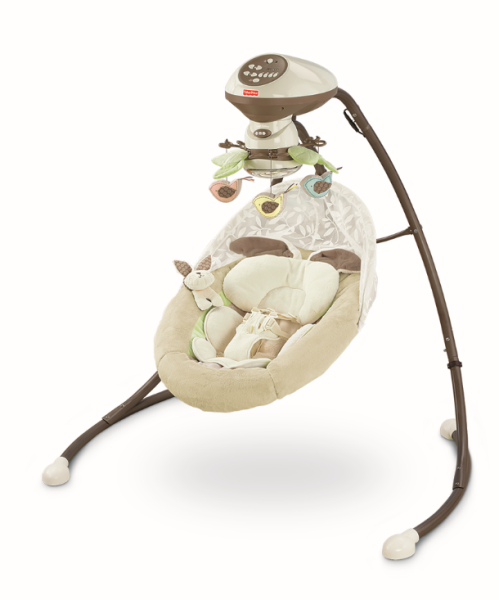
The U.S. Consumer Product Safety Commission (CPSC) and Fisher-Price announced the Snuga Swings recall in October 2024. The swings aren’t designed for sleep. According to the CPSC, the deaths of five babies were reported from 2012-2022 when the swings were being used for sleep. Bedding such as blankets had been added to the swing in most of those fatalities.
In September 2024, the CPSC issued a new safety standard for nursing pillows to prevent sleeping infants from suffocation, entrapment and falls. The commission knows of 154 infant deaths and 64 injuries from 2010-2022 associated with nursing pillows.
“Your child should be sleeping on a flat, non-inclined mattress,” said Sharon Evans, Cook Children’s Trauma Injury Prevention Coordinator. “Any more than a 10% incline poses a suffocation risk to your baby. They can get in the chin-to-chest position and have a difficult time breathing. Swings, bouncers, or propping them up in a pillow is unsafe for sleep.”
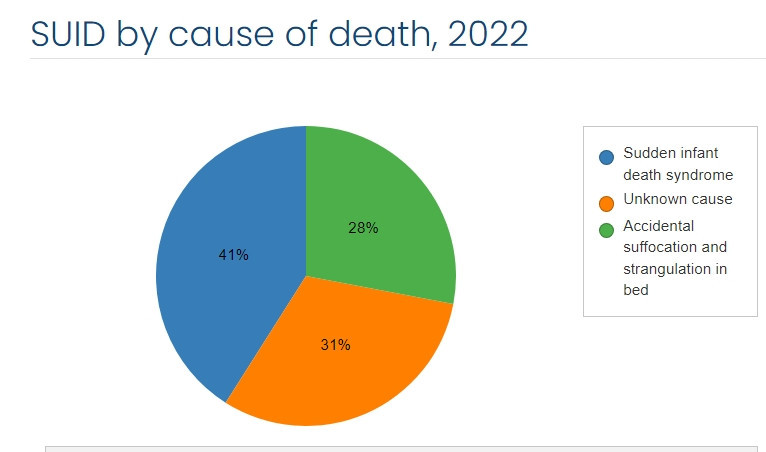 The U.S. Centers for Disease Control and Prevention (CDC) reported about 3,700 infants younger than one died due to sudden unexpected infant deaths (SUID) in 2022. The report indicates that 28 percent of those deaths were due to accidental suffocation and strangulation in bed.
Through early November, nine sleep-related deaths were recorded at Cook Children’s in 2024. In the past three years, Cook Children’s has seen several infant fatalities due to sleeping on a nursing pillow.
The safest way for babies to sleep is on their back, on a firm surface with a tight-fitted sheet, in a crib or bassinet, or pack ‘n play with no pillows, blankets, bumper pads, or toys. No other children or adults should share the sleep space.
Evans said caregivers should lay their babies down in a safe sleep environment – not the couch, swing, car seat, or an adult bed – when it’s time for sleep.
“There’s just as much risk to your baby when they are taking a nap as when they sleep overnight,” Evans said. “Every sleep time needs to follow safe sleep practices.”
The new CPSC safety standard for nursing pillows relates to labeling, firmness, seam strength, and restraints. It applies to pillows designed to position and support an infant while feeding. The rule is scheduled to take effect in April 2025.
“Nursing pillows are intended to be used for feeding when both the infant and the caregiver are awake, and the caregiver can ensure that the infant’s airways are not covered by the pillow,” according to the CPSC. Injuries occur when a sleeping infant rolls face down on the pillow or their neck falls forward or back, preventing their ability to breathe.
The new standard adds this statement to the label: “Move baby to an infant sleep product, like a crib or bassinet, if baby falls asleep or if you feel drowsy.”
RELATED STORIES:
Popular Weighted Sleep Sacks Pulled From Shelves After Suffocation Risk Identified
Safe Baby Sleep
The Center for Community Health, led by Cook Children’s has collaborated on a campaign for infant sleep awareness since 2015. Working with community partners like the Fort Worth Fire Department and Tarrant Baptist Association, the Safe Baby Sleep Council distributes pack ‘n plays to families that need a place for their baby to sleep. For videos, educational resources and more information, go to Safe Baby Sleep (centerforchildrenshealth.org)
