Nelson Ku High Risk Asthma Clinic Provides Hope and Help to Families
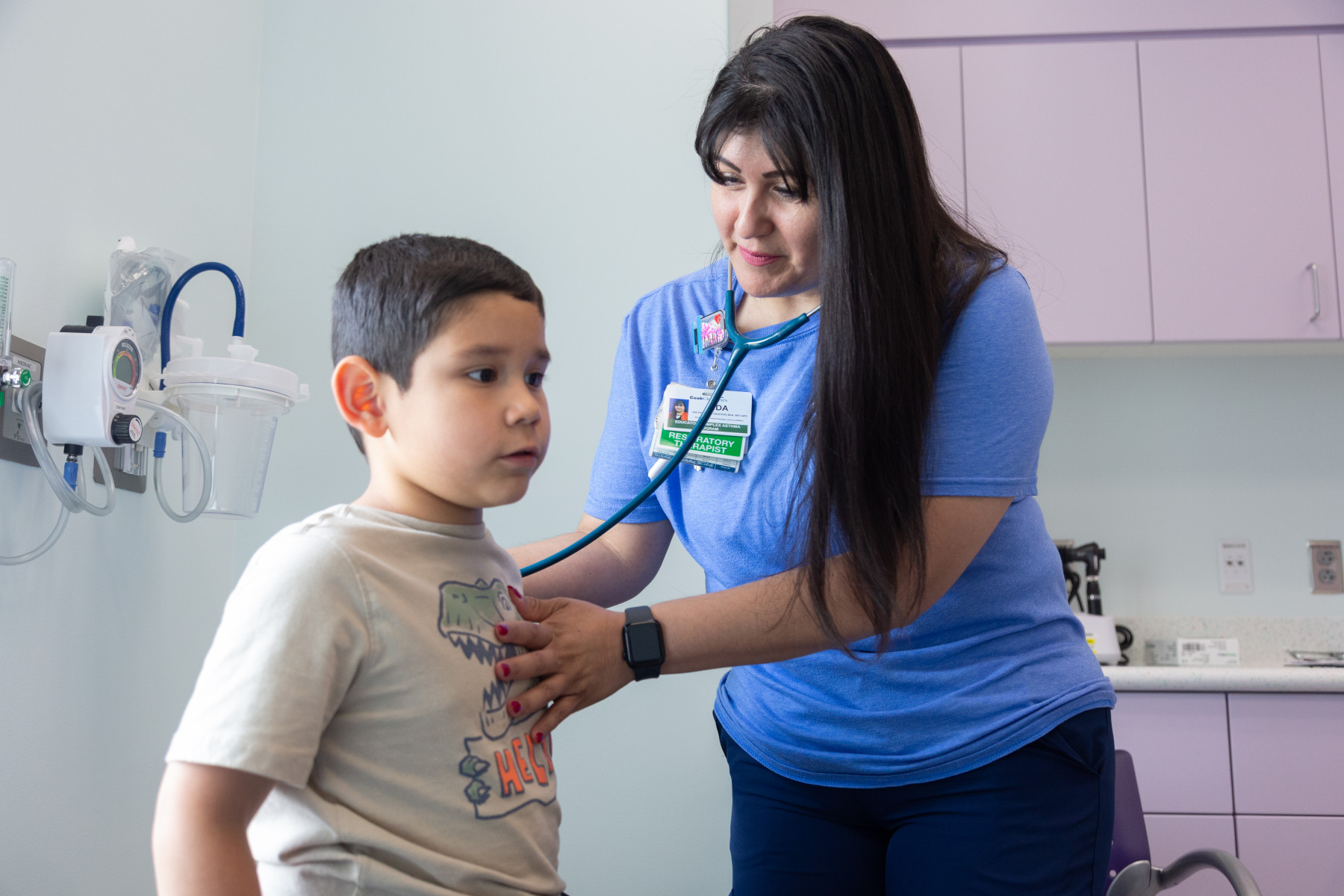 Michael Ramirez’s asthma has landed him in urgent care multiple times after asthma attacks that scared him and his mother. Recently, he visited Cook Children’s new clinic focused on helping kids with asthma: the Nelson Ku High Risk Asthma Clinic.
The clinic is named in honor Nelson Ku, an 11-year-old who died after an asthma attack in February 2024. Nelson’s parents, Peter and Beth Ku, are working with Cook Children’s to educate families, schools and sports organizations about the serious health impacts of asthma and the tools available to intervene when a child experiences an attack.
The clinic addresses the needs of high-risk asthma patients, both in a one-on-one clinical setting and through community education.
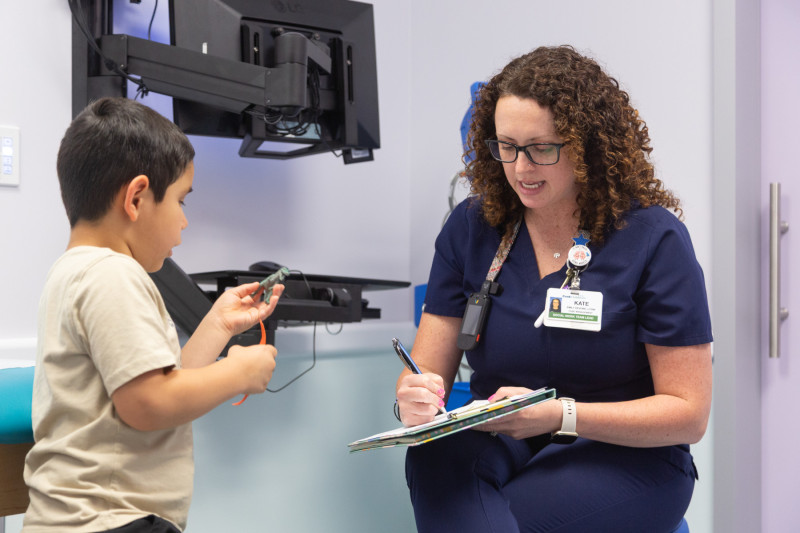
Kate DeVore, LCSW, Case Management Social Work Team Lead, was one of the social workers who introduced an initial quality improvement project that came before the high risk asthma clinic. Three years ago, she and her colleague Sarah Pitman, LMSW, started to identify barriers to care among kids who sought emergency care for asthma attacks. The goal was to reduce hospitalizations by helping patients and families manage their asthma.
“Sometimes a patient is in the hospital a lot because they have bad asthma, but sometimes it's because they don’t have access to their medications for a variety of reasons, or they don’t understand why they need their medications or how to use them correctly,” DeVore said.
Karen Schultz, M.D., medical director of Pulmonary Services at Cook Children’s, proposed a multidisciplinary program operating out of the multi-disciplinary clinic space on the third floor of the Dodson Specialty Clinics Building.
Patients are referred to the program if they meet the criteria to be considered “high-risk;” by having a certain number of visits to urgent care or the emergency room, hospitalizations or PICU admissions due to asthma.
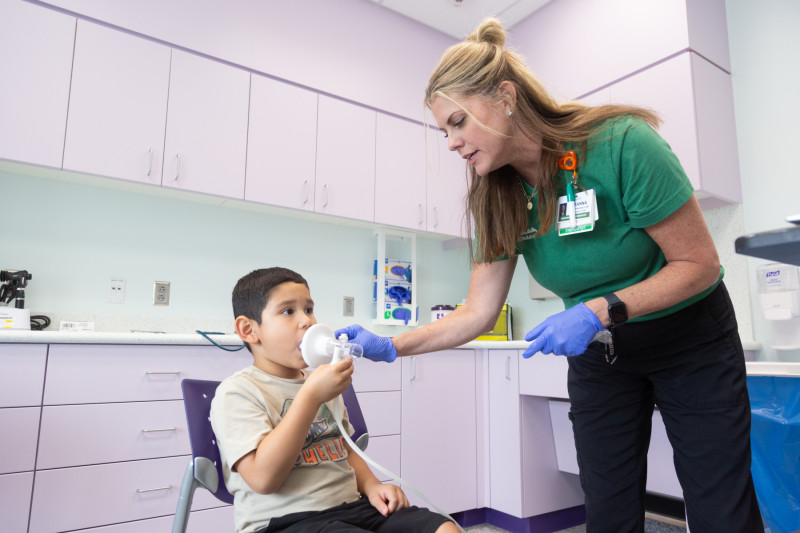
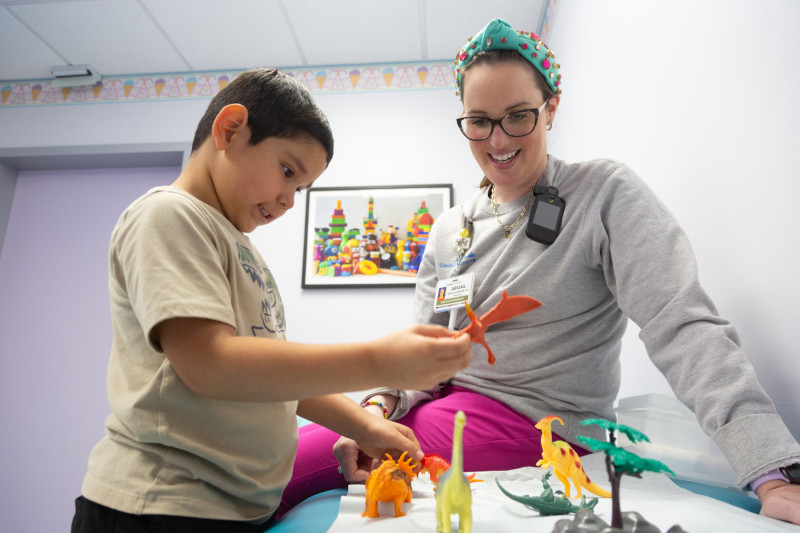
Michael’s Urgent Care visits are why a doctor referred him to the clinic. When he and his grandmother, Yolanda Ramirez, arrived at the clinic, they met with the team of pulmonology clinicians and hospitalists. As the six-year-old played with plastic dinosaurs (his favorite is the Pterodactyl), Michael was evaluated by the team.
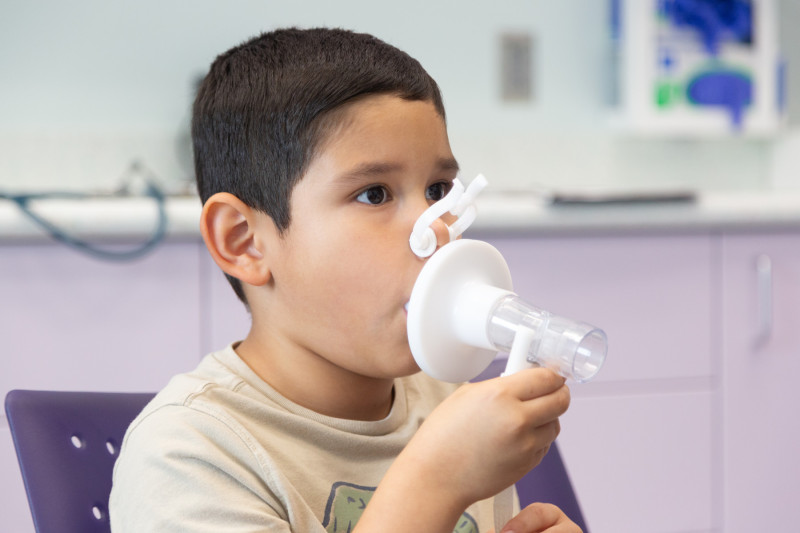
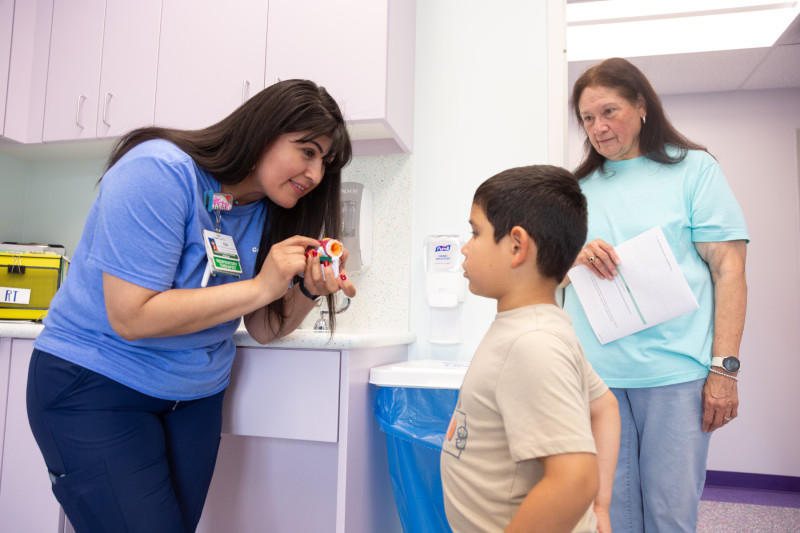
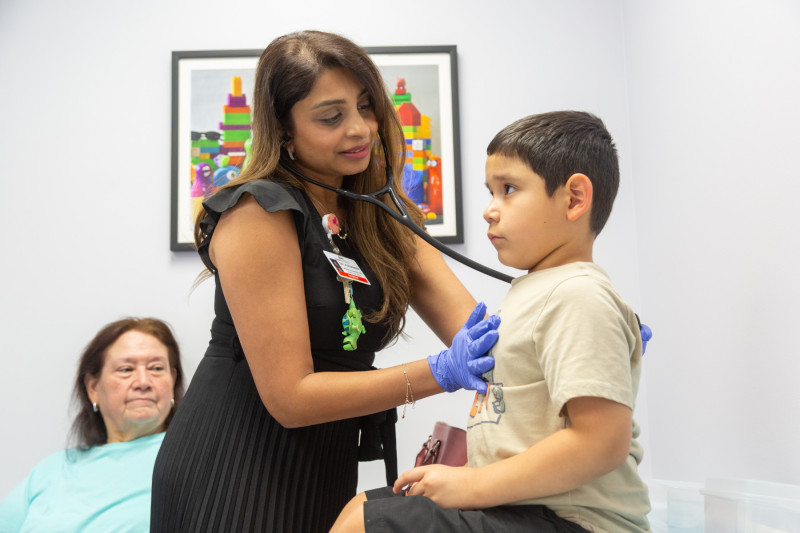
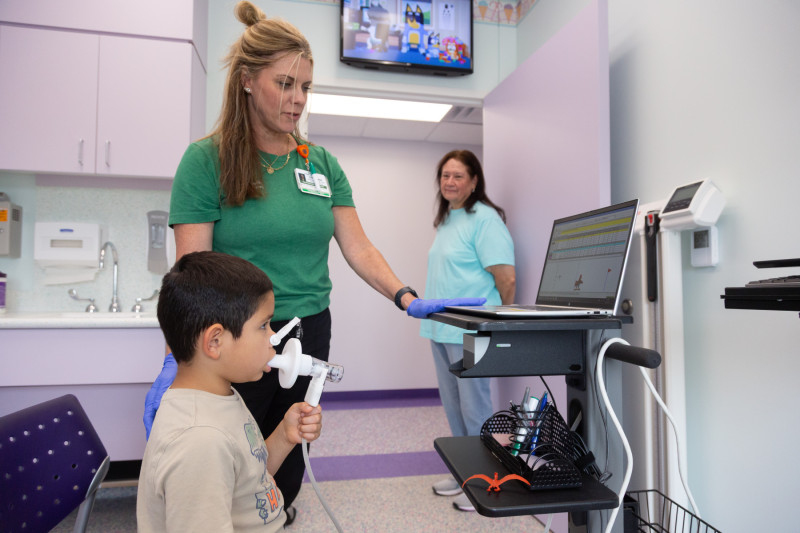
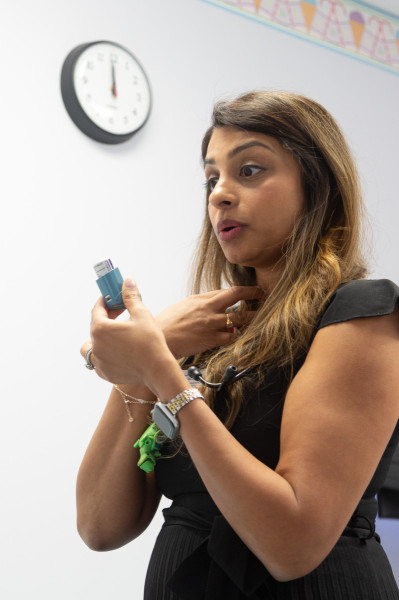
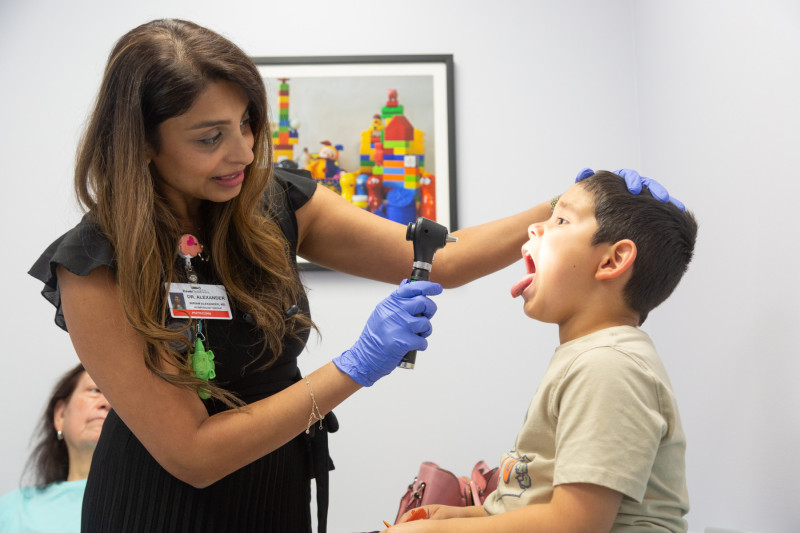
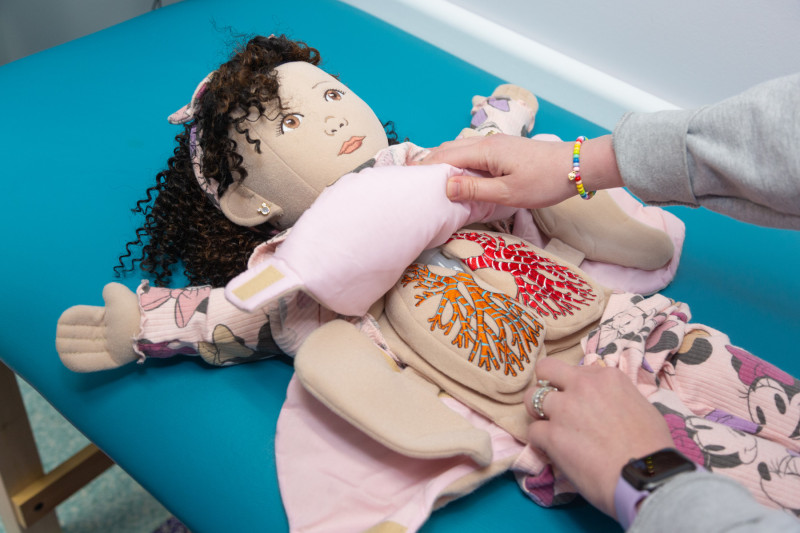 First, the respiratory therapist took Michael for a pulmonary function test, followed by an evaluation by Sara Gill, RN, who is the program coordinator. Miriam Alexander, M.D., a hospitalist, saw Michael next, followed by Child Life Specialist Abigail Hoekstra, who brought along “Asthma Abby,” a doll who helps the team demonstrate asthma symptoms. DeVore wrapped up the clinic time with a biopsychosocial assessment.
Together, the team seeks to figure out why a patient’s attacks are happening, how to better manage their asthma symptoms and possibly prevent future attacks.
Michael’s grandma said the visit was helpful in learning more about his triggers and his medication needs. For example, Michael will now take his inhaler every day instead of only when it seems like he needs it. They also plan to make sure the school has a spacer he can use with the inhaler. She also appreciated that the team gave her printouts of a lot of the information, so she can share it with Michael’s mom, who had to be out of town for the appointment.
Michael’s mom also has asthma, and Yolanda said it would have made all the difference to have the same resources for her daughter that her grandson now has. When her daughter first started having respiratory issues as a young girl, Yolanda did not realize it was asthma. It took a few months for her to realize what was going on and get the treatment she needed.
For his part, Michael said he listened to the doctors and that what they told him will help him with his asthma.
“Everybody was talking with him,” Yolanda said. “He’ll start asking a bunch of questions, sometimes random, but they’re listening to him.”
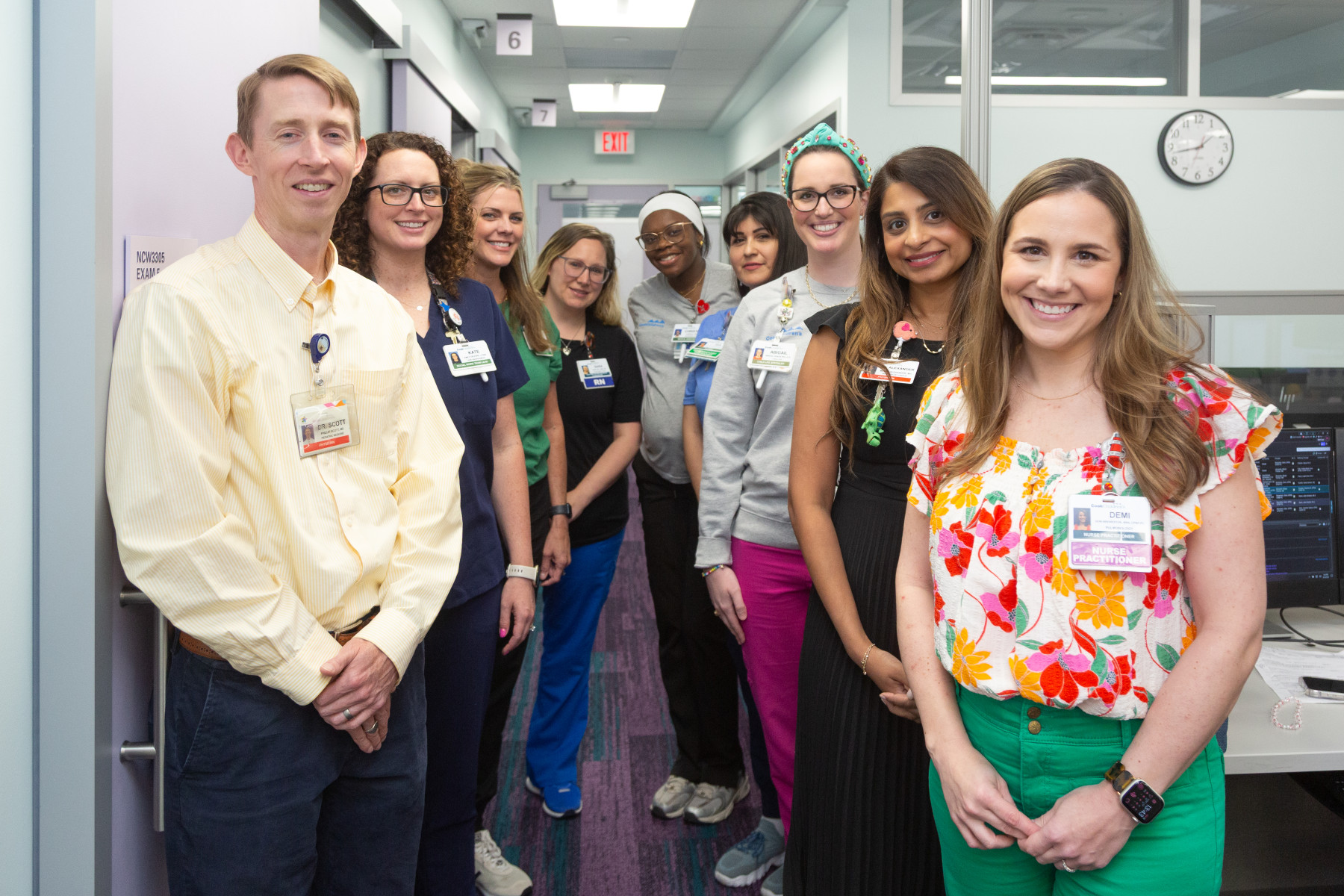 So far, the clinic is only open on Fridays, but that may change in the future. It has been open since May 2025 and the team has seen 88 kids so far. The team hopes that each family takes away a better understanding of their asthma triggers, care and management.
“Asthma is on such a spectrum,” said Gill, who herself has asthma. “It can be very manageable but it can also be so severe. A lot of people don’t take it that seriously until they’re hospitalized. I would like to be able to get a lot more education out there and get it to the point that they are taking it more seriously and have the education they need to stay out of the hospital.”
The clinic’s reach also stretches far beyond the hospital walls. Patients and families have access to Cook Children’s Healthy Homes Asthma Disease Management Program, which sends community health workers into patients’ homes to manage triggers.
A large portion of the program is focused on creating more partnerships with community groups and schools. The Nelson Ku High Risk Asthma Program will join existing programs, like Asthma 411, and the School Nurse Symposium in June, as well as pursue new collaborations.
RELATED STORIES:
Remembering Nelson Ku: New Cook Children’s Asthma Clinic Named in Honor of Fort Worth Boy Who Loved Laughter
A Breath of Fresh Air: Cook Children’s Healthy Homes Program Transforms Lives of Children with Asthma