More Play, Less Pain: Cook Children’s Named a ChildKind Certified Hospital
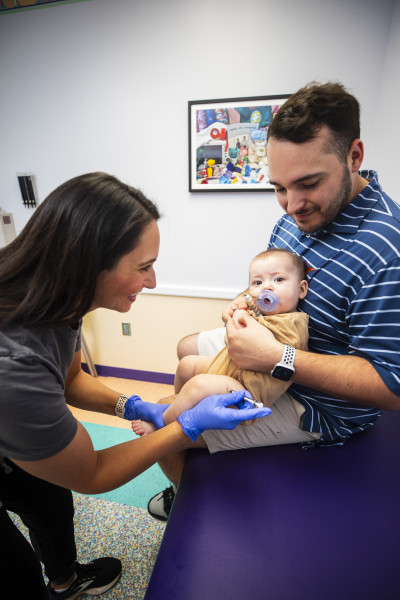
Childhood should be magical, not painful, which is why Cook Children’s Medical Center makes easing pediatric pain a priority.  In November, Cook Children’s was named a ChildKind certified hospital for its commitment to helping children manage the pain associated with chronic conditions and medical care. It is one of only two hospitals in Texas, and the only one in North and West Texas, to achieve the certification.
ChildKind is a global non-profit that champions and fosters pediatric pain care within health care institutions. In addition to certifying institutions using the highest standards and best practices to prevent and treat children’s pain, ChildKind also helps health care organizations evaluate and benchmark their pain care practices, serves as a resource library for expanding their clinicians’ knowledge of pain management, and promotes collaboration among clinicians through ongoing education forums.
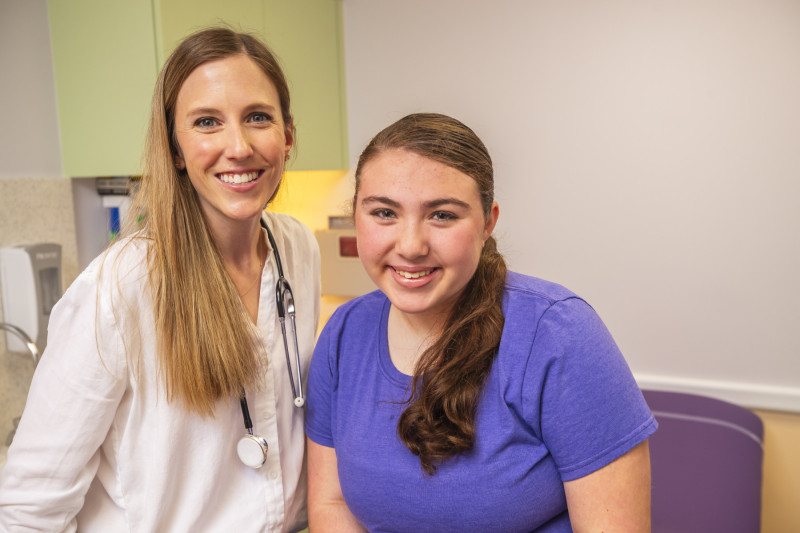
Receiving ChildKind certification is a highly prestigious recognition that places Cook Children’s among a select group of hospitals worldwide, according to Artee Gandhi, M.D., Cook Children’s medical director of Pain Management and endowed chair for the Center for Pain Management and Integrative Health. 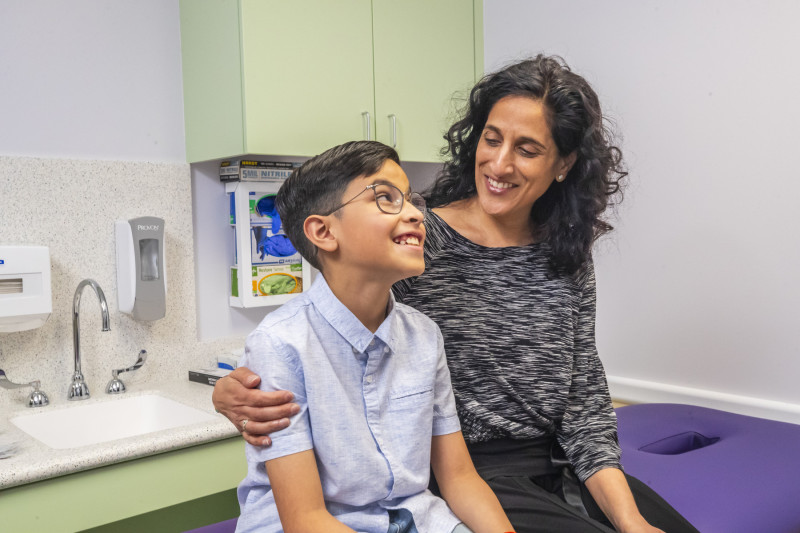 “Earning this status signals that the hospital is a global leader in pediatric pain prevention, assessment, and treatment, aligning with international pain and quality‑of‑care initiatives,” Dr. Gandhi said. “Certification affirms Cook Children's commitment—from executive leadership to bedside staff—to prioritize children’s comfort and make pain prevention and relief a core institutional value, not an optional add‑on. It demonstrates that the hospital has embedded developmentally appropriate, evidence‑based pain practices, ongoing staff education, and continuous quality‑improvement processes, reassuring families, accrediting bodies, and partners that pediatric pain care meets the highest international evidence-based standards."
Play is the Best Medicine
When pain is managed effectively, kids can get back to doing what they do best—being kids. They’re able to be mobile, participate in recovery activities such as physical therapy, and get more sleep, all of which leads to quicker recovery. Pain control also reduces anxiety and emotional distress. It instills confidence among caregivers and patients, and fosters long-term positive perceptions of health, well-being and medical care. Less pain means shorter and fewer hospital stays, and more days building forts, playing tag with friends, dressing up like a princess, exploring the park, riding bikes, climbing trees and getting lost in a book. 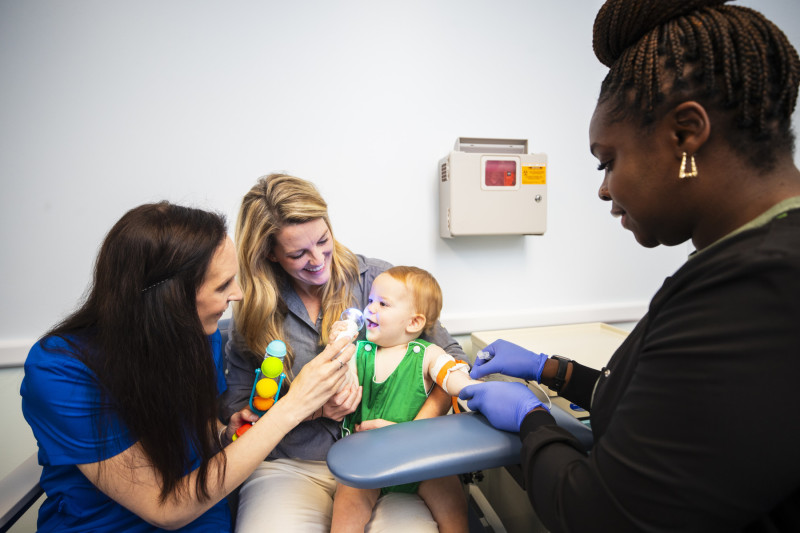 While the formal ChildKind certification process typically takes 9 to 12 months once an institution is “application‑ready,” Cook Children's has spent years developing policies, education, interdisciplinary structures, and quality‑improvement processes to meet ChildKind’s five principles. To be certified, a health care facility must demonstrate an institution-wide commitment to pain prevention and treatment; provide ongoing education and awareness of pain; use evidence informed and developmentally appropriate processes for acute and chronic pain assessment; implement policies and protocols for pain prevention and treatment that includes pharmacological, psychological and physical methods; and participate in self-monitoring and continuous quality improvement initiatives.
The Tools of Comfort
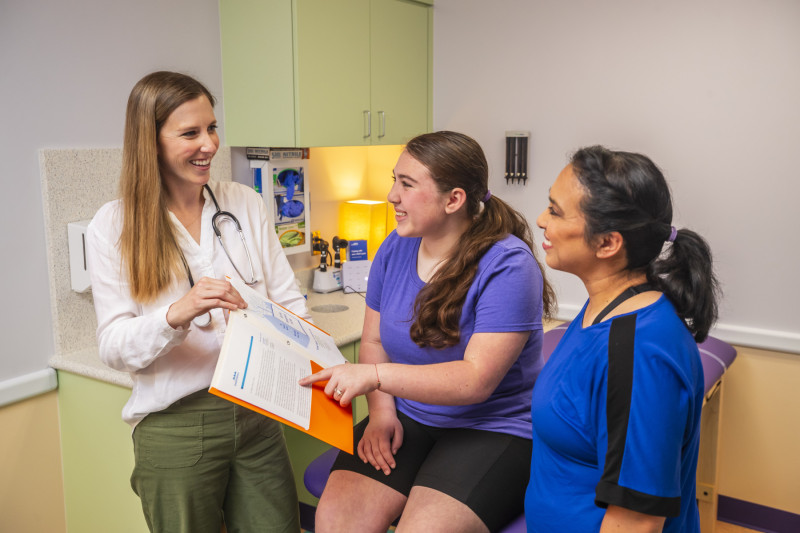
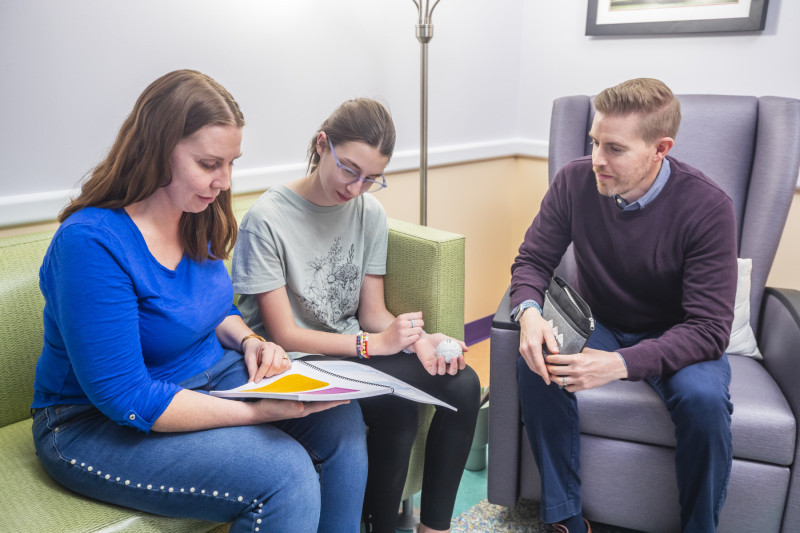
Cook Children’s has a multi-disciplinary and comprehensive pain program that includes inpatient pain consultation services, an outpatient pain management clinic, an inpatient rehabilitation program, a procedural pain management program and an opioid stewardship committee. Two of Cook Children’s most notable pain management services include the Comfort Menu Program and Comfort Ability® Program. 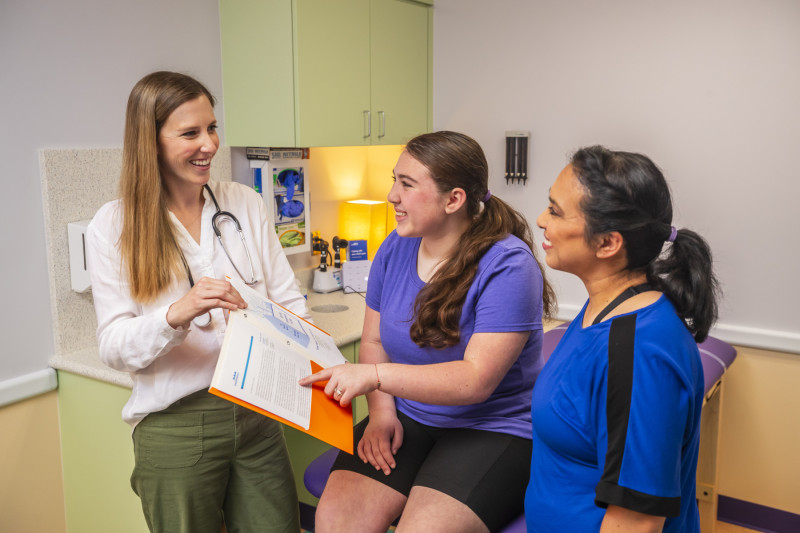 Cook Children’s Comfort Menu is a visual tool showcasing available pain management resources, such as breastfeeding, nonnutritive sucking, swaddling and sucrose administration for neonates, and distraction techniques and topical anesthetics for infants and older children. The menu helps engage patients, families and medical providers in conversations about pain and fear surrounding medical care so that they can collaborate to create an individualized comfort plan during hospital stays, medical procedures and even vaccinations. One of the resources showcased on the menu is the Comfort Kit, a box full of fun and creative items such as bubbles, balls and toys that help distract kids from the poke of a needle or the fear of a procedure.
The Comfort Ability® Program utilizes cognitive behavioral therapy to equip children with proven, non-medical coping strategies to reduce their attention to their pain. For example, patients learn how to calm their nervous system with belly breathing, guided imagery, art therapy, mindfulness, aroma therapy, and biofeedback therapy.
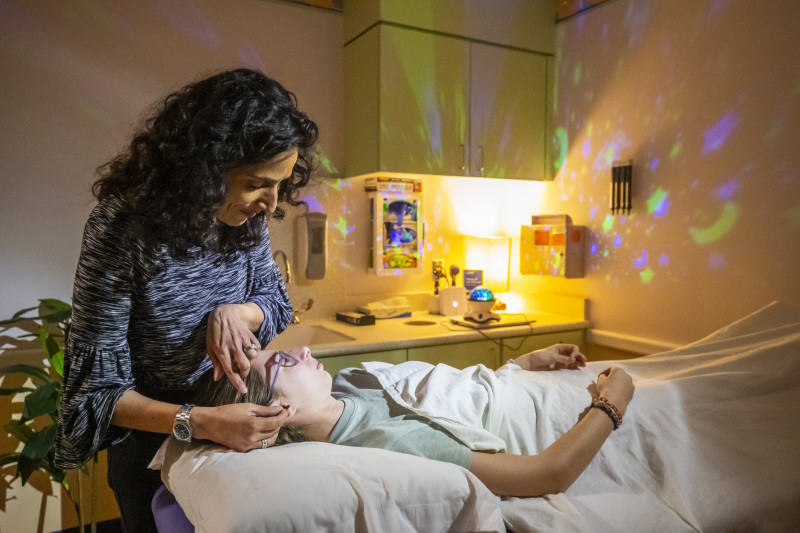
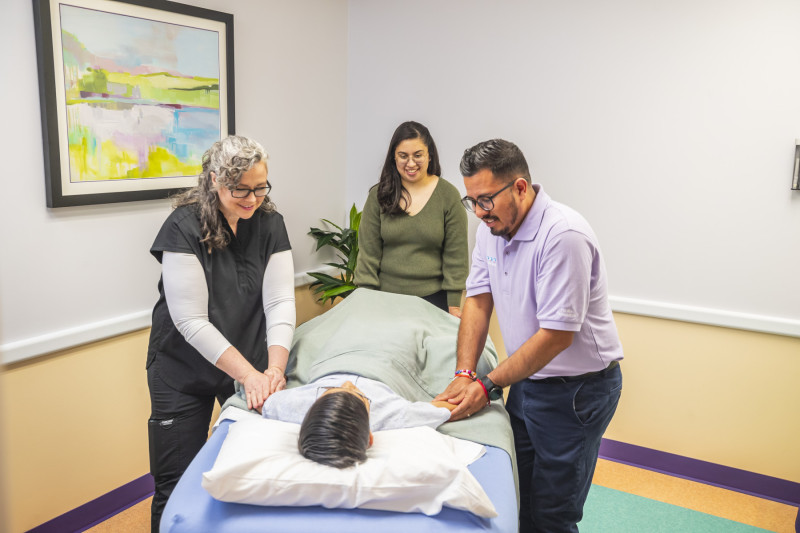
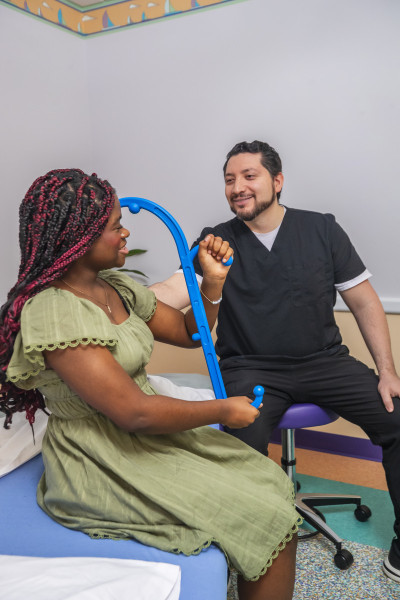
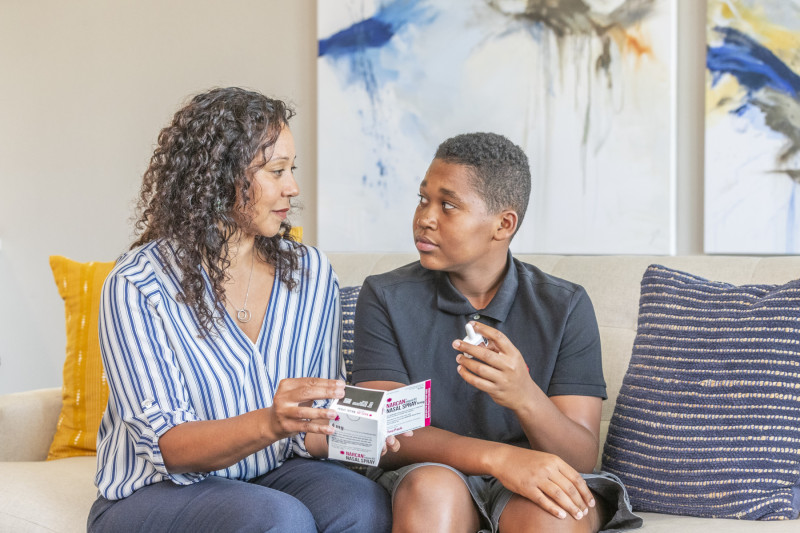
In addition to these resources, Cook Children’s offers a number of non-pharmacological and integrative pain management techniques for both inpatients and outpatients. They include everything from aromatherapy, massage therapy and acupuncture to virtual reality, music, art and so much more. But perhaps the most loveable resources of all are Brienne, Cayenne, Margo, Neely, Steve and Zuni, all cute and cuddly canine members of Cook Children’s Sit…Stay…Play facility dog program. These pups and their trained Child Life specialist handlers work all throughout the medical center bringing warm and fuzzy interactions that reduce stress and anxiety and promote physical, mental and emotional comfort and healing. 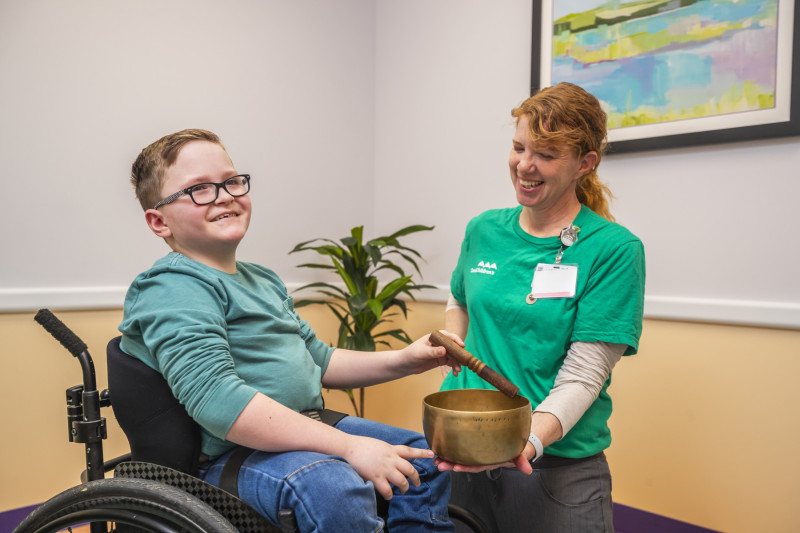 Together these resources and techniques contribute to lowering opioid use for pain control, which is the goal of Cook Children’s opioid stewardship committee. This multidisciplinary committee consists of physicians, surgeons, nurses, advanced practice providers, pharmacists, social workers, clinical educators, and administrators led by the medical director of the Pain Management Program. Their mission is to improve patient safety and reduce the risk for potential child addiction, ingestion, misuse, overdose or death from opioid medications while promoting best practices through the safe and sound management of pain. In its site review report, the ChildKind certification committee noted Cook Children’s opioid stewardship and its efforts to effectively treat pain while reducing the risk of opioid exposure.
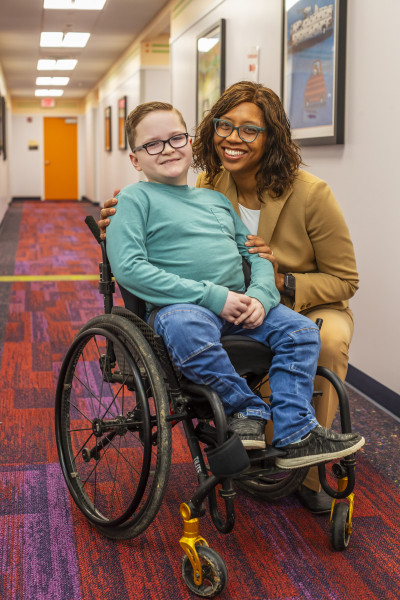
“At Cook Children’s, we partner closely with our patients, their families, support systems, health care teams and each other because we are wholeheartedly committed to caring for every child’s comfort and easing their pain,” says Chansey Pullen, Pain Management Services coordinator. “We’ve all heard the saying, ‘It takes a village to raise a child.’ That same spirit of collaboration, which is one of our core values and woven into the fabric of our culture, is key to preventing, treating, and managing pediatric pain, no matter our role, as we strive to fulfill Our Promise. We have an incredible range of resources to support children in pain and their families, and achieving ChildKind certification is a tremendous honor that reflects our shared commitment to providing compassionate and comprehensive pediatric pain management.”