

Lifeguard Your Child: Avoid Drownings When Traveling Out of Your Normal Environment Over Labor Day Weekend
By Rachel Hatcher
It's the end of summertime, and that means it's time to get in one last vacation. With families taking trips over the Labor Day weekend, it is important to educate parents and caregivers on drowning prevention and safety outside of their normal environment. We talked to experts at Cook Children’s Medical Center – Fort Worth, about their advice when families travel out of their normal environment with children who will be around water.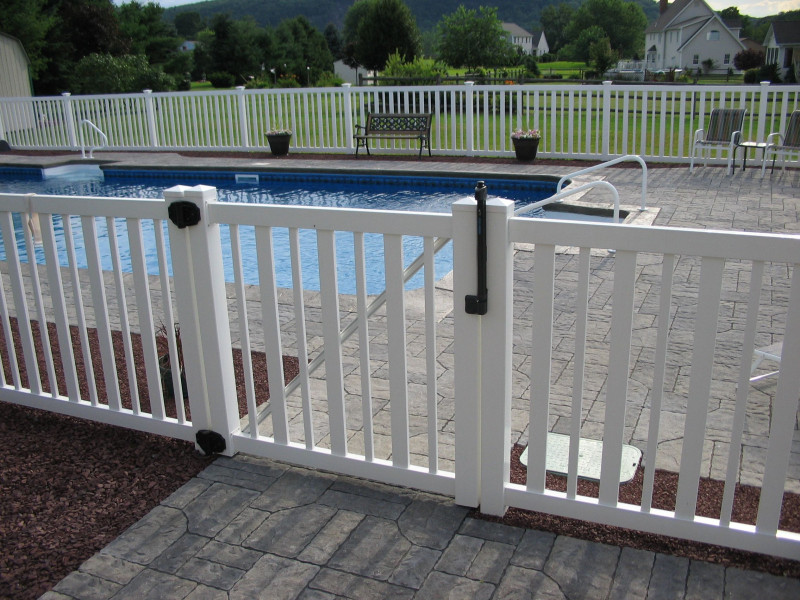
“Parents have to be very vigilant. They need to use whatever locks and barriers that may be in place. Let the children know they are not supposed to go out to the water unless an adult is with them,” Sharon Evans, Trauma Injury Prevention Coordinator, said.
Parents need to be prepared when it comes to their children being around water at their destination. Evans suggests parents buy traveling alarms to put on the doors that either buzz or siren when the door is open. Along with alarms, communicating with your partner is vital so that someone is always on watch. This can look like communicating taking naps separately.
Even with putting safety measures and communication in place, be prepared and know CPR and the address in case there is need to call 911.
Evans addresses when children should start swim lessons by recognizing that each parent has to decide what is right for their child. The American Academy of Pediatrics (AAP) suggest children start swimming lessons around the age of one year where they are learning how to be safe and float on their back in the water. Now is the perfect time to remind parents to choose safety over fashion when it comes to their children’s swimwear.
“There are studies showing brightly colored swimsuits are easier to see in the water than more mundane colors. It’s hard to keep your eyes on the child when they are jumping in and splashing around in the water, so any help with a brightly colored swimsuit or life vest would be a great help,” Evans said. 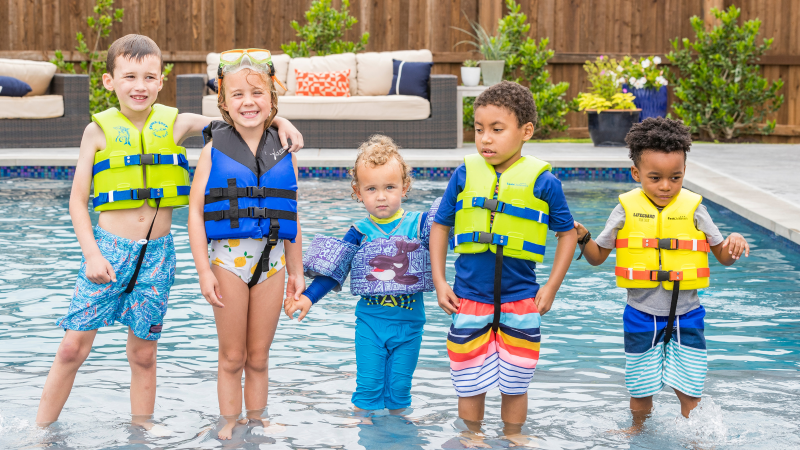
Whether you are traveling to an Airbnb or a family home, recognize that your child is going to explore whether you want them to or not. It is smart to become familiar with the new environment before they do.
“You want to become familiar with the environment first. What kind of access points can the child use?” Jillian Mitchell, Program Coordinator, Community Health, said.
Mitchell encourages parents to pack temporary locking devices for doors and gates. She also emphasizes that communicating with your children and setting expectations of what the trip will look like is important. When it comes to the water, Mitchell emphasizes that a child’s first interaction with water will be bath time as an infant at home. In order to help with the child’s interaction with water in other locations, like on vacation, parents should aim to make bath time a hands on and positive experience.
When you travel to the beach or the pool, Mitchell highlights that you get to choose where you sit. Knowing this information, it should be key in parents’ minds to position themselves where they can see their children. 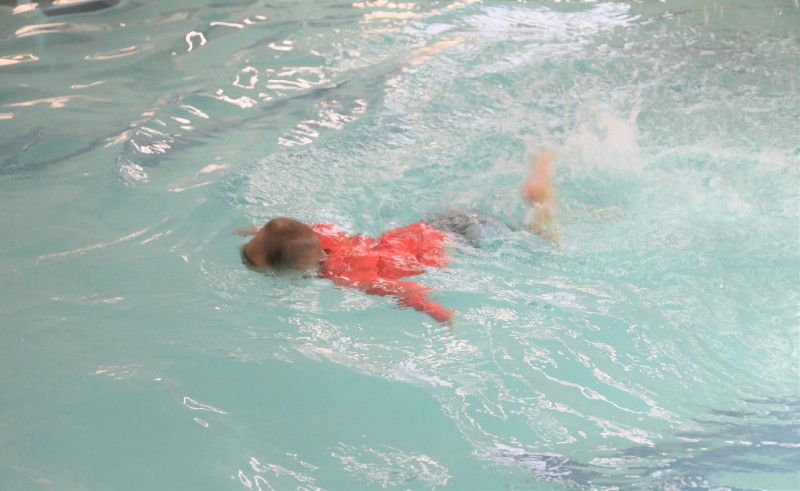
“Try to sit near a lifeguard, in a designated swim area on vacation. That area is designated for a reason,” Mitchell said.
Two of Cook Children’s values are imagination and safety. For this scenario where families travel out of their normal environment, parents’ should focus on uncovering new solutions and discoveries when it comes to their children being around water, and creating an environment that is physically and psychologically safe for their kids. Learn more about how to lifeguard your child here.
About The Lifeguard Your Child ™ Campaign
Cook Children's Lifeguard Your Child Campaign encourages parents everywhere to create a safety plan for ANY time their children are around water—whether its swim time, unplanned time around water, or even bath time. Water safety is important at any age, and when it comes to drowning, every second counts. It’s silent and can happen in an instant. Drowning is the leading cause of accidental death for children ages 1 to 4, and the second leading cause for kids ages 1-14 in Texas. But with your help, we can change that.
Together, we are asking everyone to Lifeguard Your Child around water. Click the below link to learn more about how to get involved or create an awareness campaign in your community.
Get Involved
