

Going Beyond the Bedside to Keep Kids Safe on the Road
Child Car Safety and Child Passenger Week is September 21 – 27
Free car seat checks
Texas law requires kids to ride in a safety seat that fits by weight and height until age 8 or at least 57 inches tall.
The Injury Prevention Collaborative offers events where you can make an appointment with a certified technician. We offer FREE car seat checks and assistance to families who may need a car seat.
Click the link or call 682-885-2634 to book your appointment. Those without appointments will be seen on a first-come/first-serve basis. You MUST have your child with you, unless you are an expectant parent.
In 2023, 43% of children killed in car crashes were unrestrained, according to the National Highway Traffic Safety Administration (NHTSA). Texas law requires children under the age of 8 and those under 4 feet 9 inches to be in a child safety seat. Failure to properly restrain a child can result in a ticket of up to $250. Despite these laws, NHTSA data shows that 46% of car seats are installed incorrectly.
A Child Passenger Safety Technician (CPST) can help ensure a child is safely and correctly secured in their car seat. Cook Children’s Health Care System has 66 CPSTs across North Texas.
CPSTs at Cook Children's work with patients and their families to ensure a safe discharge from the hospital. Nurses screen patients during admission to confirm they are in the correct car seat or booster. If a family needs a car seat, it is provided free of charge, and a CPST then educates them on its proper use and installation.
 “We also provide special needs seats to patients who may have a spica cast and cannot sit up for their conventional car seat, or car beds for premature infants or those that need to lie flat at discharge,” said Sharon Evans, trauma injury prevention manager.
NHTSA data shows more than 300 children under the age of five have been saved due to their car seat.
Texas has only three special needs CPST instructors, and one of them is here at Cook Children's. The hospital also has 24 CPSTs with special needs training. These specialists assess children and families’ needs and order the correct special needs car seat for safe transport upon discharge.
In addition to those efforts, Cook Children’s Center for Community Health hosts events throughout the year. At these fitting stations, caregivers make an appointment to have their car seat checked, or if they need a car seat, it is provided free of charge.
“The caregivers learn at these events how to correctly install and use their car seat to ensure the child’s safety,” explained Evans.
To become a nationally certified CPST, an individual must attend a four-day CPST course and pass both written exams and a hands-on skills assessment.
“These employees take on extra job responsibilities above and beyond their normal job description just to ensure the children are transported safely,” said Evans.
Know the Four Stages of Car Seats
Trauma Injury Prevention and the Center for Community Health share some tips on keeping your little one safe.
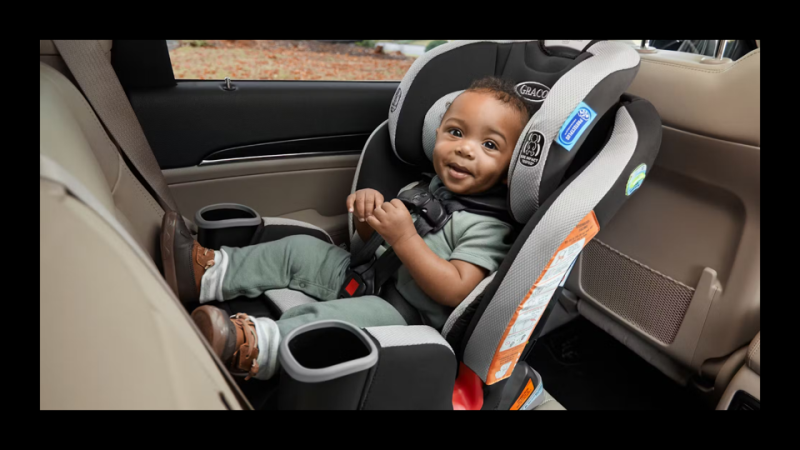 1. Rear-facing
Rear-facing car seats are the first stage of restraint for children ranging from newborns to preschoolers. This stage supports their head, neck, and back while riding in a vehicle until they meet the maximum weight OR height of their car seat. According to Evans, it is highly recommended by experts to keep your child in a rear-facing car seat for as long as possible, as it is the safest option available.
2. Forward-facing 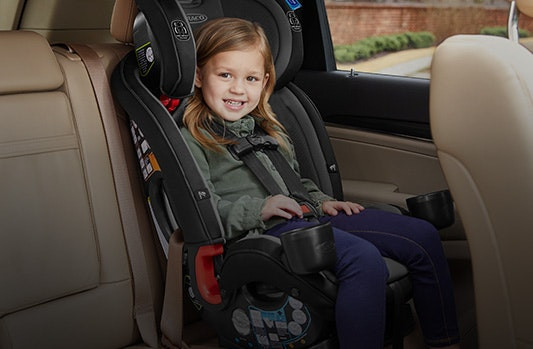
Forward-facing is the second stage of car seats for preschoolers through school-age kids. Children should remain in a forward-facing car seat with a five-point harness until they meet the maximum weight OR height before moving to a booster seat.
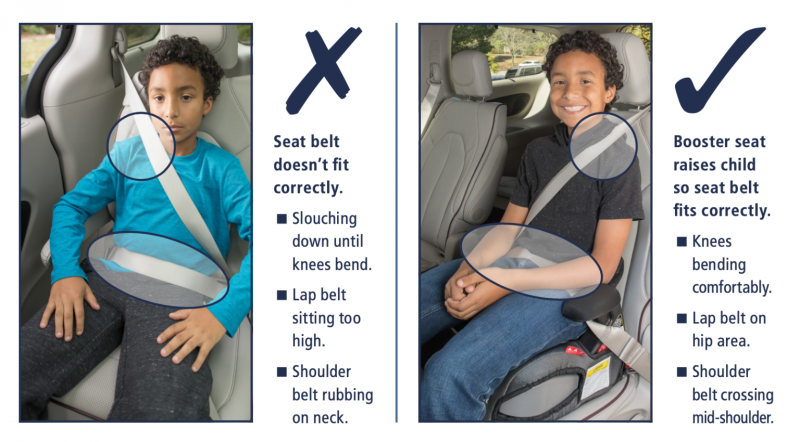 3. Booster
Children must be at least four years old before transitioning into a booster seat. The booster seat stage is crucial for children who have outgrown a harnessed car seat, but do not yet fit safely behind a lap-shoulder belt. Still, booster seats are skipped over all too often. Evans said many kids between the ages of 4 and 8 get seriously injured due to being put in seat belts too soon.
4. Seat Belt 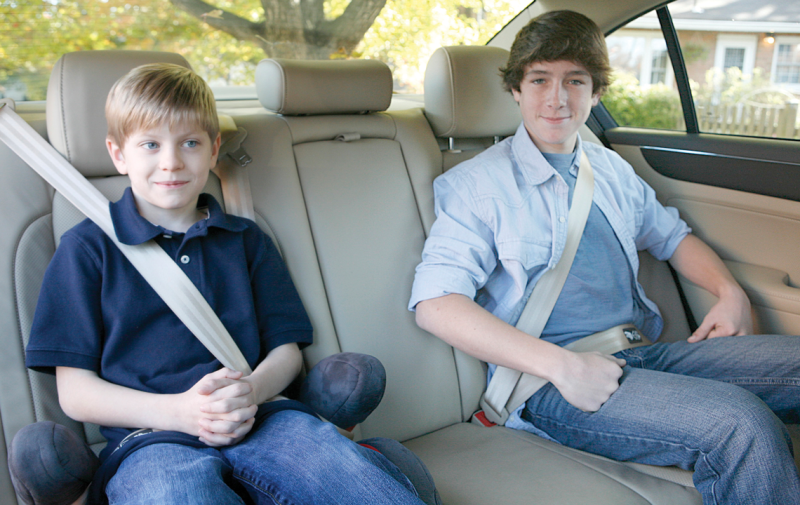
A seat belt is the final stage of restraint. The safest time to transition to a seat belt is when your child is at least 4’ 9”, or 57 inches tall. Though the law states children can transition to seatbelts at eight years old, Evans cautions that many children won’t reach 57 inches of height—and should therefore remain in a booster seat—until closer to 10 or 12.
Stay Vigilant for Counterfeits and Fakes
As you are shopping for car seats, keep in mind that many popular brands are being knocked off to create counterfeits. These knockoffs are often cheaper than their legitimate counterparts, but are significantly less likely to protect your child in the event of a car crash.
- Make sure you buy it directly from the manufacturer or a reputable retail store.
- Call the seat’s manufacturer. They can help you determine if it’s a knockoff and will sometimes ask you to submit photos.
- Take your car seat to be checked by a certified child passenger safety technician. They are trained to help determine if it’s fake.
