Cook Children’s Addresses Food Insecurity Amid SNAP Pause
Food insecurity affects the pediatric population from their time in utero until adulthood. Mothers unable to consume adequate calories and a variety of healthy foods can lead to low birth weight infants and birth defects. Breastfeeding mothers must first nourish their own bodies to produce quality milk for their growing babies. Angela Cabarcas, M.D., associate medical director for Neighborhood Health Centers Cook Children’s Physician Network (CCPN) at Cook Children’s Health Care System, explains that early childhood development, cognitive skills, linear growth and the immune system can all be negatively impacted by poor nutrition.
 The impact of the pause in Supplemental Nutrition Assistance Program (SNAP) benefits is significant, given the existing challenge of food insecurity in North Texas. A recent Cook Children’s Community Health Needs Assessment found that one in five children are food-insecure in the U.S., and Texas has the largest number of food-insecure children in the nation. The rate and number of children experiencing food insecurity are the highest it has been since 2014, with the largest one-year increase since 2008. The report also indicated that in Cook Children’s eight-county service area, 21% of children, about 236,400, live in a household that reported receiving food stamps or SNAP benefits in the past year.
“A child’s everyday behavior could be distracted by their hungry belly or stressed because they don’t know what they will be able to eat for dinner that night,” said Cabarcas.
Recognizing that health is all-encompassing, Cook Children’s Health Care System has actively worked to mitigate the impact of food insecurity before the government shutdown by piloting food distribution to eligible patient families, the Center for Community Health program families, and Health Plan members.
“For the past three years, Cook Children’s has been building our response to food insecurity in general and has implemented many partnerships and new efforts to contribute to the cause,” said Courtney Barnard, director of community wellness for the Center for Community Health at Cook Children’s Health Care System.
Barnard shares essential information for families impacted by the pause and where they can access food assistance:
- Parent Pass app: Vetted resources for families
- Tarrant Area Food Bank (TAFB) at https://tafb.org/find-food-main/
- North Texas Food Bank (NTFB) https://ntfb.org/food-assistance/find-a-food-pantry/
- Programs such as WIC and free and reduced lunch programs at schools are unaffected at this time. Eligible families should enroll.
- The TAFB is still helping people enroll in SNAP. Families should still apply and enroll, as benefits will be retroactive once the pause is lifted.
- TAFB is working to double food sourcing and distribution to meet the increased need.
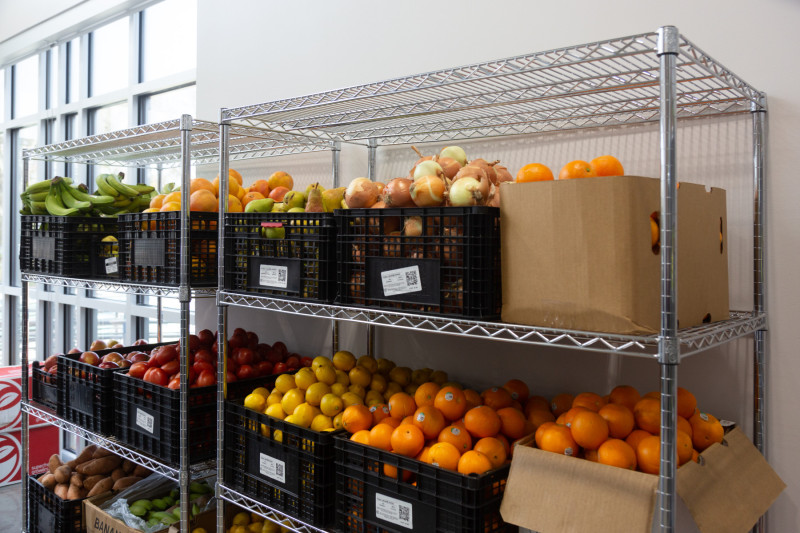
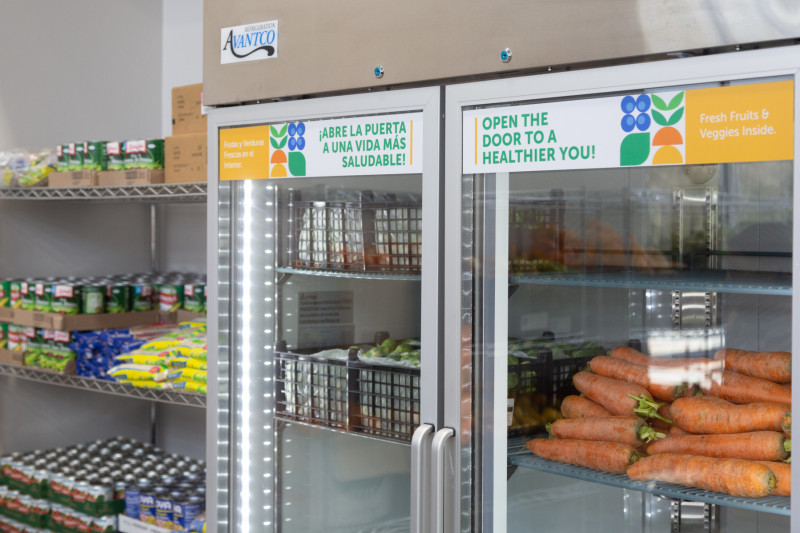
“As physicians, we educate our patients about eating five servings of fruits and vegetables per day as part of a healthy diet, but that goal is really difficult to attain when those fruits and vegetables cost much more than a bag of chips or a fast-food cheeseburger,” said Cabarcas.
The system works alongside food pantries across its eight-county service area to provide additional food and education to families, train pantry staff and volunteers, and build capacity to serve more people. Cook Children’s collaborates with TAFB to support a new mobile market serving Denton, Wise, and Cooke counties. The system also formed partnerships with Texas Health Resources to support Good for You Healthy Hubs at the Eastside YMCA and Eugene McCray Community Center.
“Our patients’ families can struggle to pay for housing, utilities, childcare and healthcare, so adding the additional challenge of affording nutritious foods for their family causes psychological stress felt by all members of the household,” explained Cabarcas. “I have noticed that as children mature, they sometimes disclose to me that they feel a burden of guilt due to their parents having difficulty paying for their basic needs.” 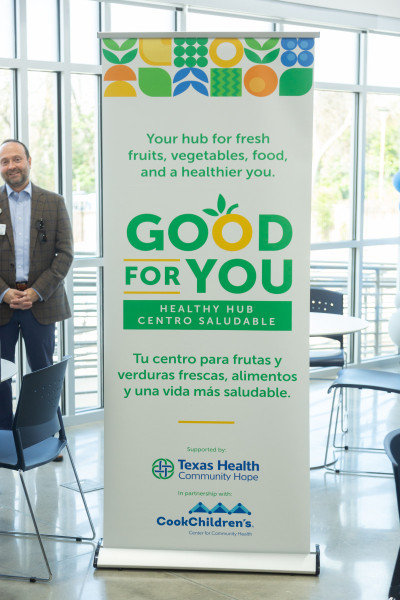
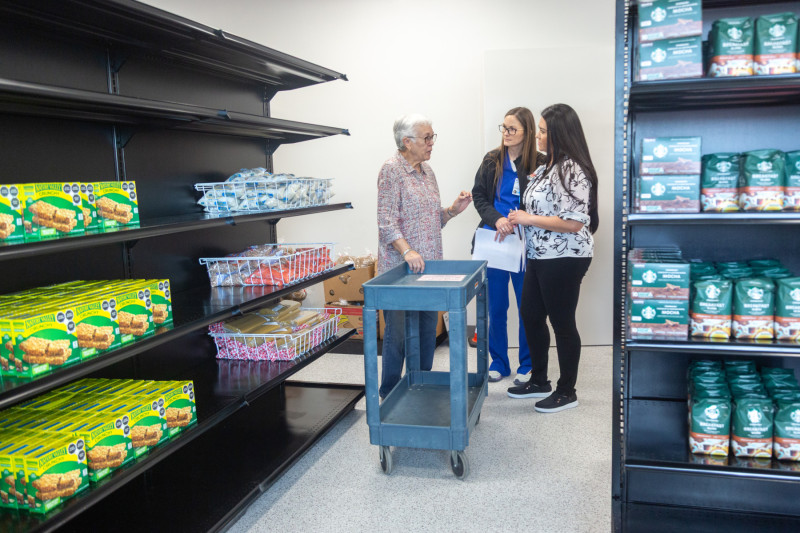
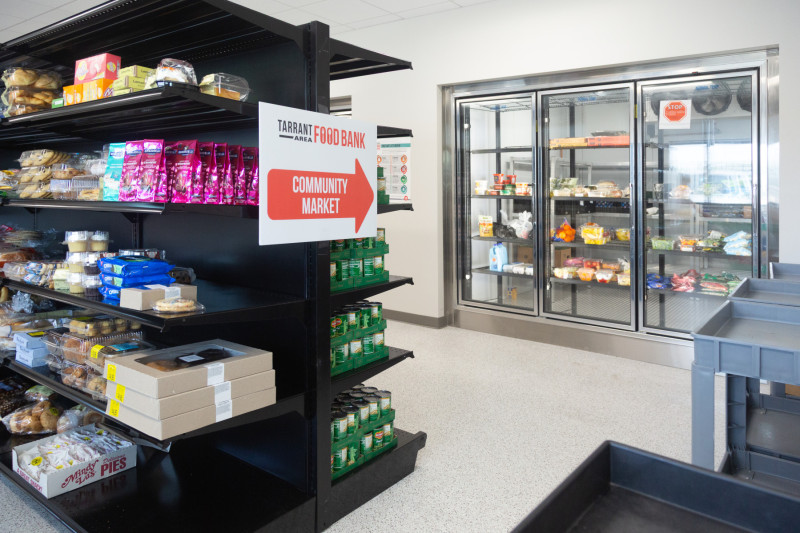
In August, the neighborhood health center in Las Vegas Trail opened its doors, helping to fill critical community needs. West Aid Food Pantry, which has been a staple in Southwest Fort Worth for 40 years, is now located at the health center. This collaboration aims to end the area's status as a food and health care desert.
Cook Children’s Neighborhood Health Centers provide unique services in the community. Staff work with families to overcome barriers to future health care access and bridge the gap. Patients of the Neighborhood Health Centers have access to dieticians, referral coordinators, speech therapists, behavioral health therapists, community health workers, and even dental services.
“Food insecurity impacts children’s oral health because it often limits access to nutritious foods rich in calcium, vitamins, and minerals that are essential for healthy teeth and gums,” explains Ottis Goodwin, director of community oral health for Cook Children’s Health Care System.
Cook Children’s Health Care System provides access to these services all within their medical home. These teams work seamlessly with the community and Cook Children’s partners to assess and address patient needs in a timely and holistic manner.
Cook Children's has more than 40 pediatric offices and neighborhood health centers in North Texas. To become a patient, learn more about our locations here. You can also find additional information on community resources on our page here.