

Cook Children’s – Prosper Expands Neurological Care with New Epilepsy Monitoring Unit
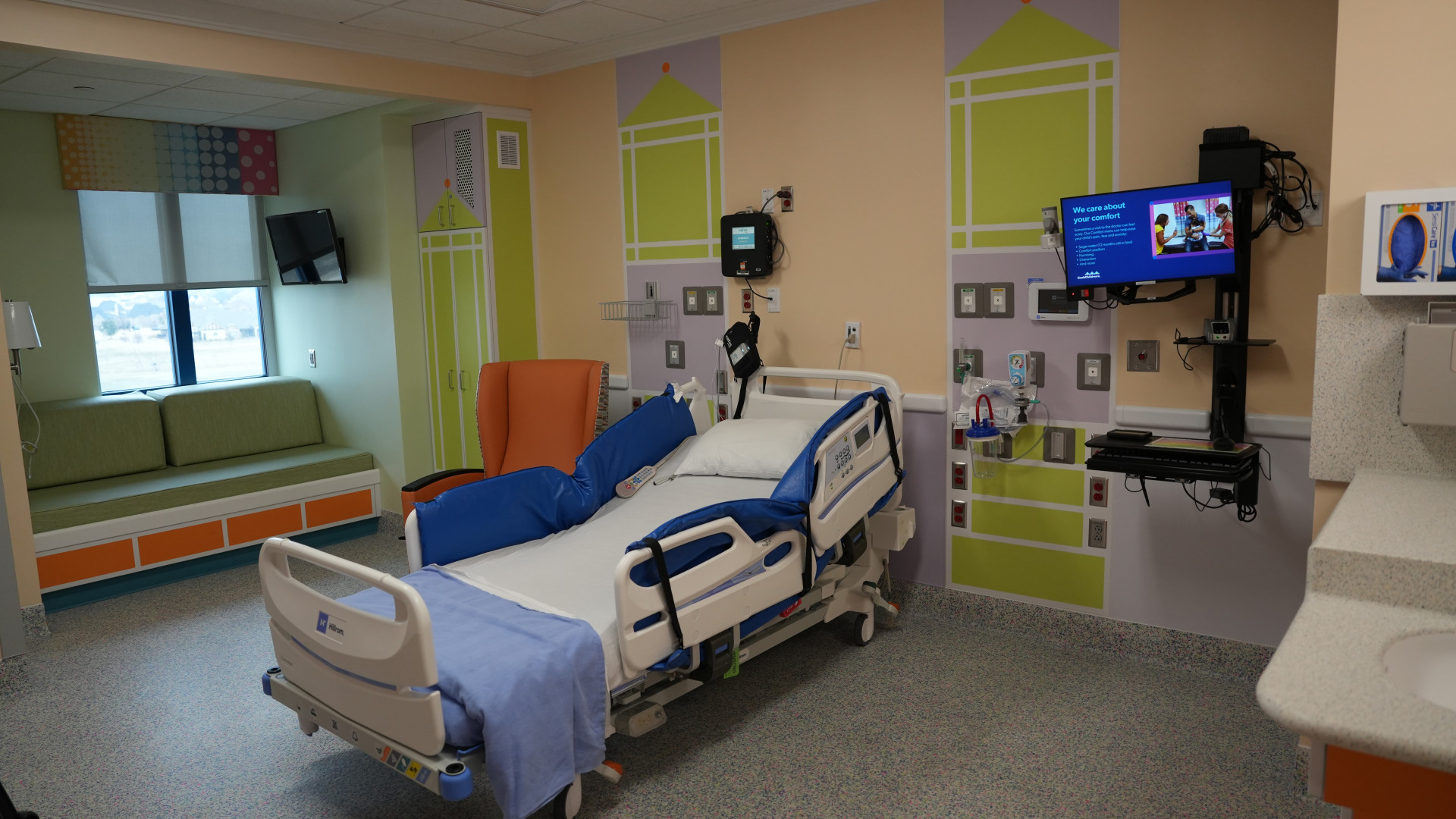 Cook Children’s Medical Center – Prosper has opened its Epilepsy Monitoring Unit (EMU), allowing children experiencing seizures to receive integrated care closer to their homes and communities. The unit is similar to the EMU at the Jane and John Justin Institute for Mind Health at Cook Children’s Medical Center - Fort Worth. We talked with Cynthia Keator, M.D., medical director of Neurology, about what the EMU offers patients, families and the community as a whole.
Questions have been lightly edited for clarity and length.
Q: What is an EMU?
A: Our Epilepsy Monitoring Unit is a unit within the medical center that is set up and structured specifically for monitoring brain activity with electroencephalograms (EEG). We can use the EMU to both diagnose patients and to develop treatment plans for patients being evaluated for neurological conditions.
Q: What do you mean by monitoring brain activity? What kind of activity are you looking at?
A: Epilepsy, a brain condition that causes recurring seizures, is the most common neurological disorder in pediatrics. We need to be able to monitor brain activity to determine if a child’s episodes are actually seizures or if they are something else, like tics or a movement disorder. To determine that, we use the EMU to assist in evaluating the brain activity and characterizing the activity of concern.
Q: And how do you monitor that brain activity? 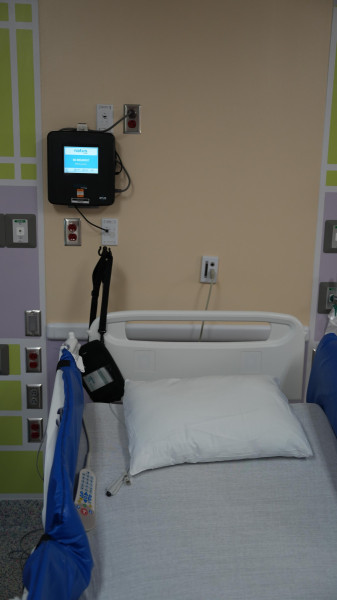 A: Each EMU room is already wired with equipment that is set up and plugs into the wall. Patients are connected to the diagnostic equipment, which transmits their brain activity into waveforms that can be streamed to any computer and monitored remotely. Whether we’re at home, the Fort Worth medical center or at Prosper, we can look at it and monitor continuously.
Q: What does a typical stay look like for a patient in the EMU?
A: Neurologists can recommend patients for the program and plan out admissions. Usually, they’re planned out ahead of time because the patient’s parents or family need to stay with the children throughout the admission. Thanks to technology, children have more freedom because they can move around the room. They are monitored and supported not just by epilepsy physicians and technicians, but also by nurses, social workers, child life specialists and other team members. Monitoring technicians have the opportunity to speak directly into the patient room when any event is triggered.
Q: How many patients can the EMU see at once?
A: There are four rooms in Prosper’s EMU. If those are full, we can also do bedside EEG monitoring with nine additional carts.
Q: Opening an EMU in Prosper has been a priority since the new medical center opened. Why was this such an important project for Cook Children’s?
A: This is a very powerful and helpful tool that we see in many pediatric hospitals; however, based on location, many patients still travel to have this procedure completed. The North Texas region is rapidly growing, and monitoring is done in our downtown Fort Worth location. Having an EMU at Cook Children’s Medical Center – Prosper expands access of care for our families across all of Dallas-Fort Worth for neurological monitoring. The Prosper and Fort Worth locations are one unit, separated by a long distance, and this allows us to collaborate and improve care for all of our patients.
Q: What’s next for the EMU?
A: Down the road, as the hospital continues to grow, we’d like to be able to continuously offer more advanced techniques as they become available. The EMU also gives us the opportunity for epilepsy research. It allows patients who want to be part of a research project to be a part of that in Prosper.
