Brighton’s Bright Future: Patient Overcomes Heart Defects and Stroke
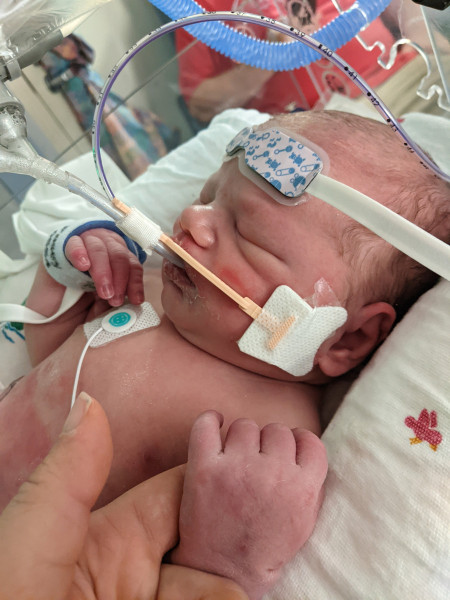
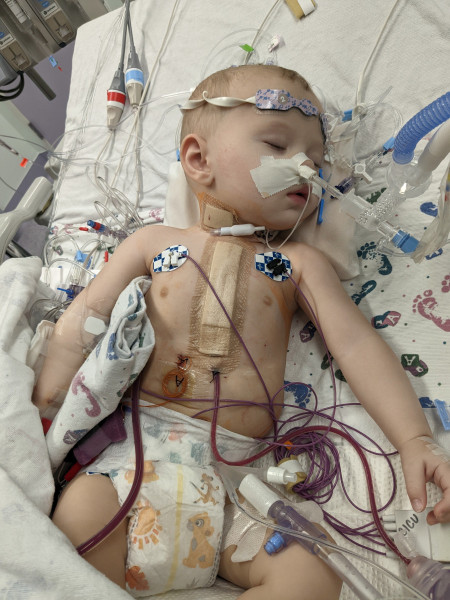
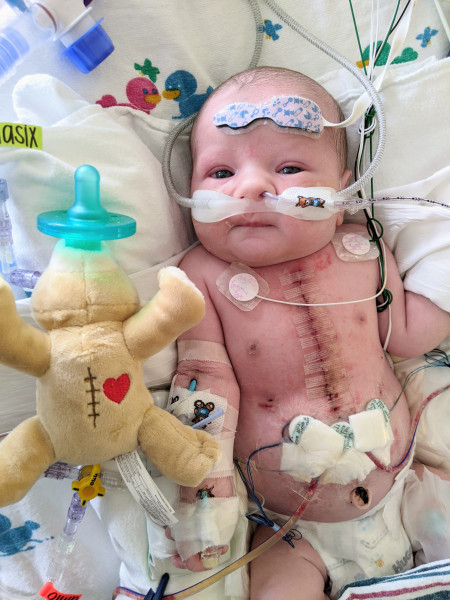 Brighton Weeks needed surgery when he was just 2 weeks old to repair his rare and complex heart defects.
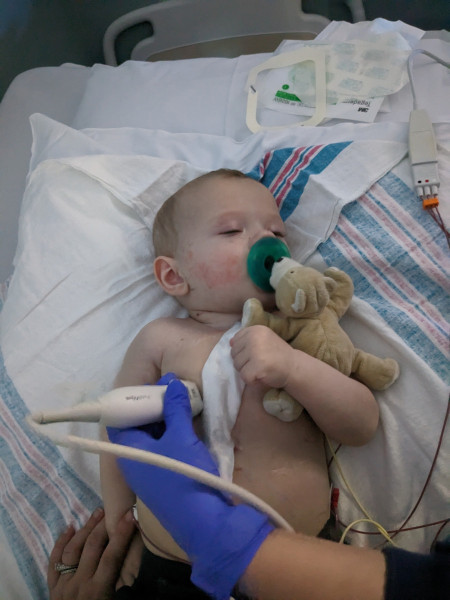
For follow-up care, his family chose pediatric cardiologist Danielle Moyé, M.D. at Cook Children’s Heart Center in Prosper, close to their home in Celina. During a routine checkup with Dr. Moyé, a test called an echocardiogram showed a ballooning mass of tissue filled with blood. Brighton needed another open-heart surgery to patch the leak.
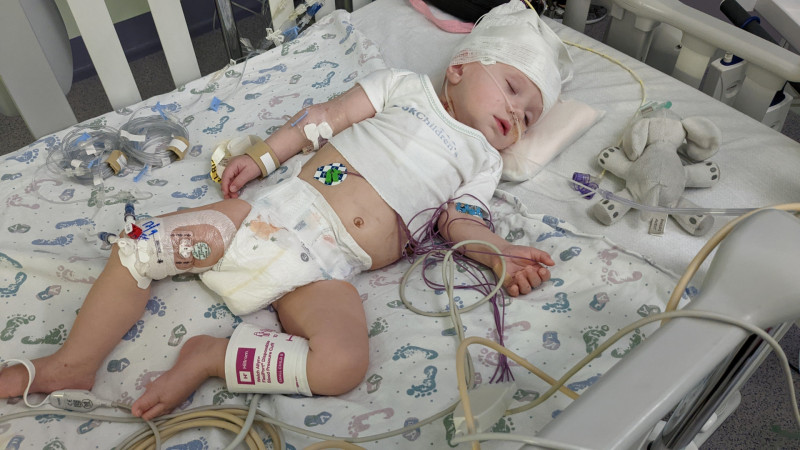
Then, just before leaving Cook Children’s Medical Center – Fort Worth after the second surgery, 8-month-old Brighton had a small stroke. The stroke caused temporary weakness but no apparent long-term damage.
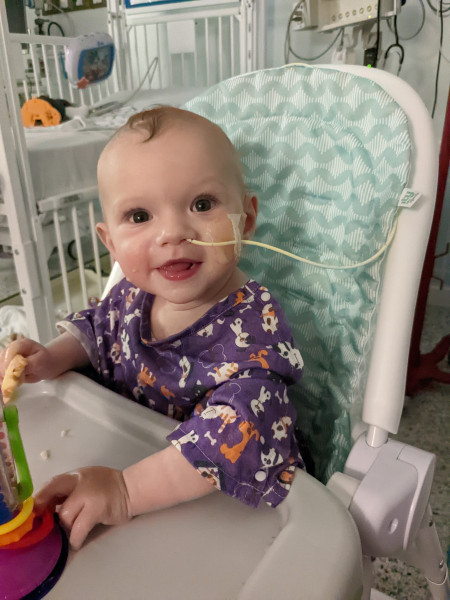
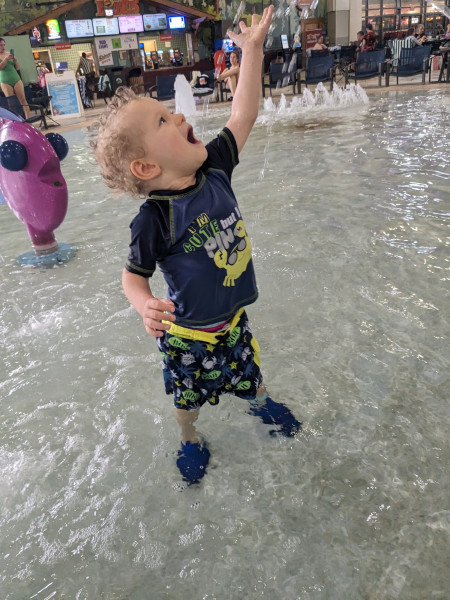
Brighton made a remarkable recovery. He learned to eat on his own – after more than a year on a specialized diet fed through his nose – and has grown into a tall and energetic 2-year-old. He’ll likely need heart surgery again, probably when he’s a teenager, to replace the artificial tube he has now with a bigger device.
“He’s doing perfectly,” Dr. Moyé said. “All of his oxygenated blood is going to his body and his brain, and all of the used-up blood is coming back to his lungs to get the oxygen.”
Like Brighton, nearly 40,000 infants in the United States each year are born with heart defects, according to the American Academy of Pediatrics. American Heart Month gives us a chance every February to spotlight the specialized services Cook Children’s offers for patients whose heart chambers, valves or blood vessels are affected by congenital heart disease.
Babies, children, teens and young adults come for diagnosis and advanced care at the Cook Children's Heart Center, where surgeons perform about 475 surgeries annually.
“The initial diagnosis is understandably upsetting,” Dr. Moyé points out. “What I tend to tell parents is how resilient these babies are, and how well they do most of the time with cardiac surgery. I always tell them we’re there every step of the way.”
Correcting Defects
Kristin Weeks had a normal pregnancy with Brighton, born on April 14, 2022. As soon as the umbilical cord was cut, her 8-pound, 13-ounce son turned gray from low oxygen. A tube was inserted in Brighton’s airway to help him breathe.
Tests on his heart showed several misshapen structures, including a narrow arch of the aorta, a missing chamber wall, and a valve in the wrong place. As a result, oxygenated and deoxygenated blood were merging in the same chamber.
“His heart was mixing old blood and new blood and wasn’t able to circulate new blood through his body,” Kristin said.
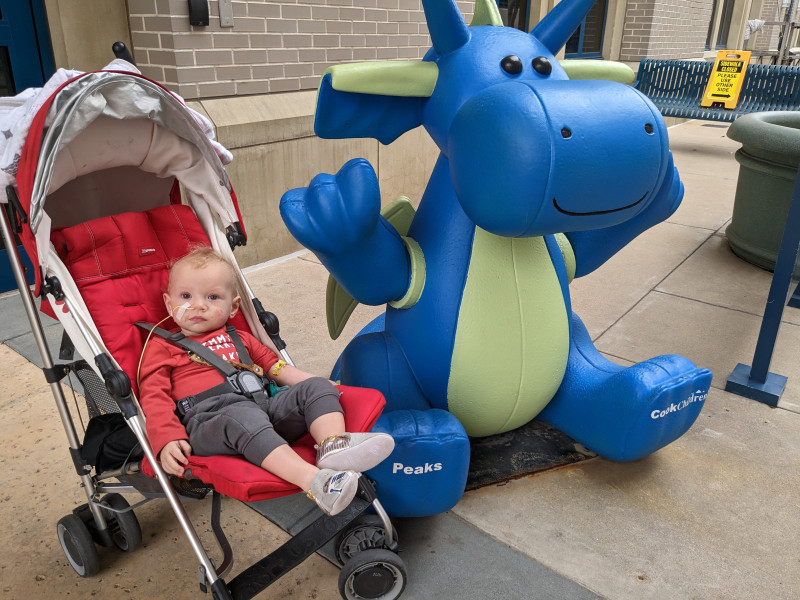
Brighton soon underwent 14 hours of surgery to close the hole and insert a tube that connected his right ventricle to the artery that carries blood to his lungs. His nourishment came through a nasogastric tube through the nose, down the throat, to the stomach until he was 15 months old.
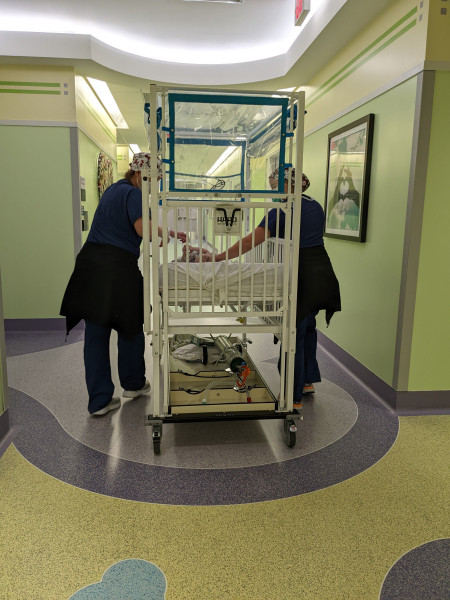
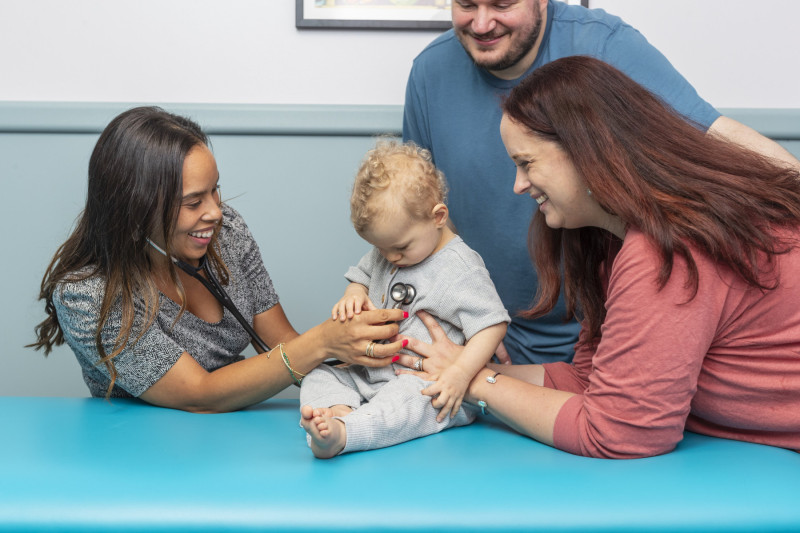 A checkup with Dr. Moyé in December 2022 took an unexpected turn when a blood-filled bulge was discovered along a surgical suture line. Concerned that the pseudoaneurysm could rupture, Dr. Moyé sent Brighton to Cook Children’s Medical Center – Fort Worth, where cardiothoracic surgeon Eldad Erez, M.D. removed the bulge and made reinforcements to prevent additional leaks.
The surgery went well. But a week later while in the hospital waiting on discharge paperwork, Kristin noticed Brighton’s mouth trembling oddly. Fearing a seizure, she called for help. Right away, Brighton received an MRI, which pointed to a stroke. His left arm was weak and he couldn’t blink his left eye.
Strokes happen whenever a clot blocks flow of blood to the brain. To treat the stroke, doctors started Brighton on anticoagulant medication. Within about 48 hours, the left-side issues had resolved. After a stay in the Cardiac Step Down Unit (CSDU) at Cook Children’s, Brighton returned home.
Growing and Thriving
Along his path to recovery, Brighton has seen experts from Cook Children’s neurology and hematology in addition to cardiology and the stroke team. Kristin is grateful for specific people who went the extra mile – including a pharmacist, a chaplain, and a child life specialist – to make the family’s experience the best it could be.
 For instance: When they arrived for the surgery in Fort Worth, a nurse wanted to know how Brighton’s parents handled his medications, feedings and other care at home.
“She sat next to me and said, ‘Tell me about it,’” Kristin said. “It felt calming and relieving that they were listening to me. I felt heard.”
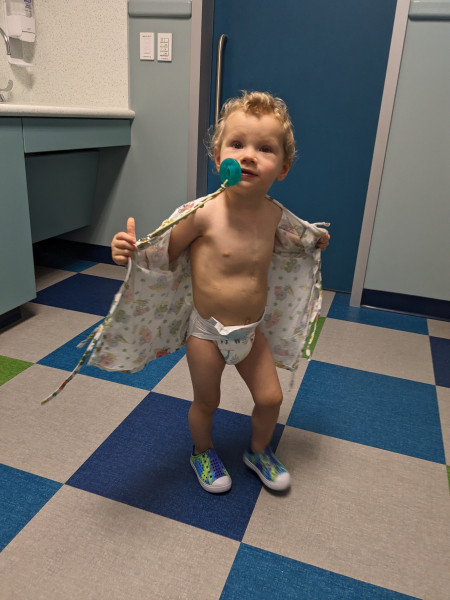
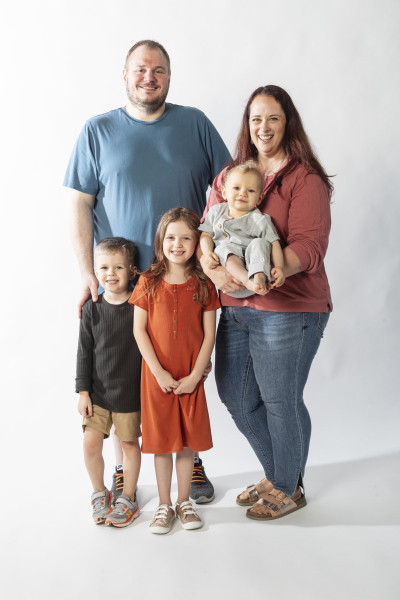
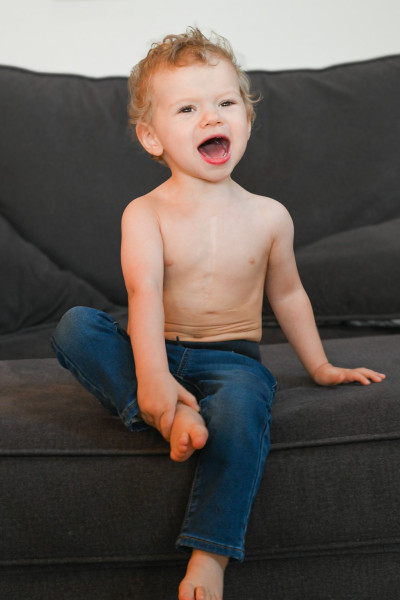
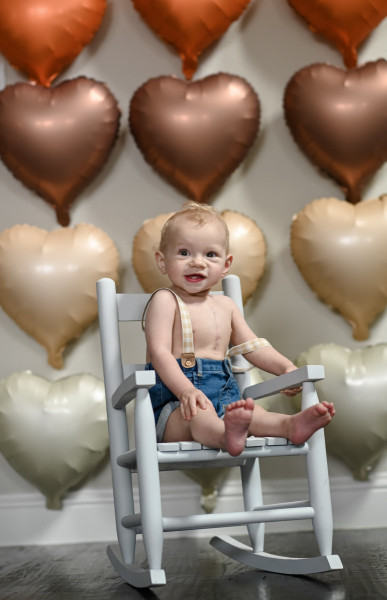
Brighton can eat by mouth now. Scars from the surgeries have faded. He enjoys playing with his stuffed Peaks the Dragon, collecting Beads of Courage at his medical appointments, and entertaining his mom and dad Brian and three older siblings.
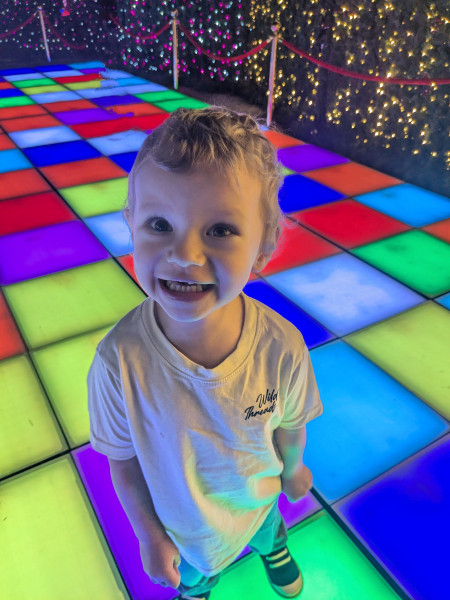
“He lives up to the name ‘Bright’ in Brighton,” Kristin said. “He thinks he is a comedian and makes us laugh all day every day. He loves to play and interact with everyone he meets.”
He takes a baby aspirin daily to prevent blood clots as well as several medications to help his heart. Early Childhood Intervention (ECI) provides speech therapy. And he goes twice a year to visit Dr. Moyé, who monitors his growth, oxygen saturation levels, and any changes to his heart size and performance. If all continues to go well, the appointments can be cut back to once a year.
RELATED STORY:
Three Open-Heart Surgeries and Thriving: Toddler Overcomes Multiple Congenital Heart Defects
To spot the signs of stroke, remember the acronym BE FAST:
Balance - Is there a sudden loss of balance or coordination?
Eyes - Is there blurred or lost vision?
Face - Is one side of the face drooping or numb?
Arm - Is there weakness, numbness or loss of movement in the arms, legs or one side of the body?
Speech - Is speech slurred?
Time - If you or someone you know is experiencing any of these symptoms, call 911 immediately.
Cook Children's Heart Center
The Cook Children’s Heart Center combines leading-edge technology with compassion and a family-centered approach to pediatric cardiac care. We work closely with our patients, their families and referring physicians to determine the best plan of treatment for a wide variety of conditions. Our experts understand the unique requirements for treating cardiovascular diseases and disorders in young bodies. For more information about testing and diagnostics, or to make an appointment, go to Cook Children's Heart Center.