

A One-Stop Medical Home for North Texas Foster Families
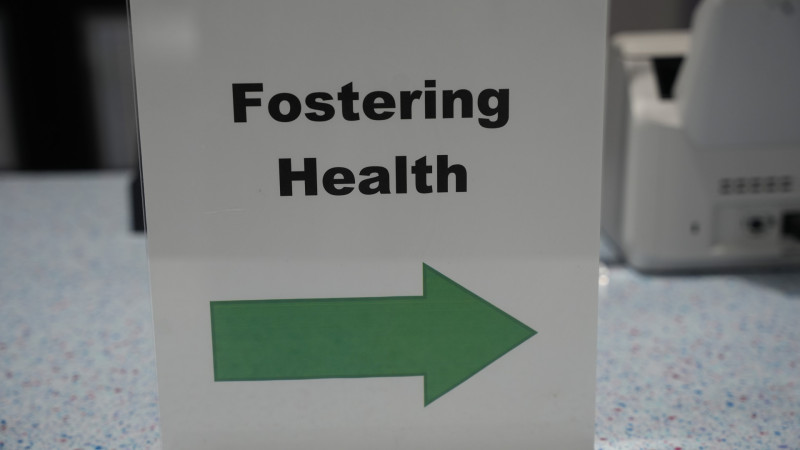
May is National Foster Care Month, a time dedicated to raising awareness about the foster care system. At Cook Children’s Health Care System, that mission is carried out on a daily basis through a unique program called Fostering Health.
The Cook Children's Fostering Health Program serves more than 2,000 children from across North Texas and as far west as Stephenville. In March, the Clinic helped more than 200 children, a record number for the program.
“Our clinic functions as a primary care medical home and offers complete health care for children in foster care through age 21,” said Brittany Schoonover, pediatric nurse practitioner for the Fostering Health Program.
It begins with trauma-informed care.
“We recognize when a child is removed from a home that in itself is trauma,” explained Keirsten Velez, LMSW, a social worker for the Fostering Health Program. “Sometimes we see the child the day after it happens, so our goal is to empower the child.”
That empowerment includes involving children in their own health journey while helping caregivers navigate the foster care system.
“There are a lot of nuances that come with providing medical care for a kiddo in foster care,” said Velez. “For example, most agencies require the foster parent to have a nine-page form completely filled out and signed at the end of every medical visit.”
Even before the first exam, the team works to fill the gaps in a child’s medical history by tracking down records from schools, hospitals and previous pediatricians.
“Often times we find fragmented care where the child had initial medical exams but often not follow up care,” explained Schoonover. “Our clinic is helpful to connect the dots and put the puzzle pieces together to be able to provide the best care for the child.”
 Velez noted often placements occur with limited time or funds for foster parents to prepare for the child’s arrival. The team strives to address immediate needs, providing patients with essentials such as clothes, toys, and diapers, while also serving as a bridge to long-term support through Cook Children’s and community support.
“We try to make navigating the system easier for the caregivers,” said Velez, “We're kind of advocating alongside of them for what they may need.”
The support does not end when a child’s case closes. Schoonover and the team ensure continuity of care by providing families with information about new pediatricians and specialists.
“We’ll send over whatever they need to the new doctor, we want to keep the continuity of care that they have had here in their medical home,” said Velez.
