A Century of Child Life: Transforming Pediatric Care
By Ashley Pagenkopf, MS, CCLS, Child Life Specialist at Cook Children's
What exactly is Child Life? Child life specialists are asked this question daily. Despite its decades-old presence, child life specialists regularly explain the basics of their practice to others, often provoking surprise and appreciation. The “wow” following the explanation is a shared experience, a moment where child life specialists themselves reflect on the remarkable, and sometimes hard-to-grasp, nature of their profession.
Child life, though rooted in 1920s “play programs,” gained formal recognition in hospitals during the 1960s. While the profession has evolved significantly since then, just as the world has, its foundations still guide and direct every interaction. Child life is an essential component of pediatric care, supporting children’s healing throughout their medical journeys.
Play
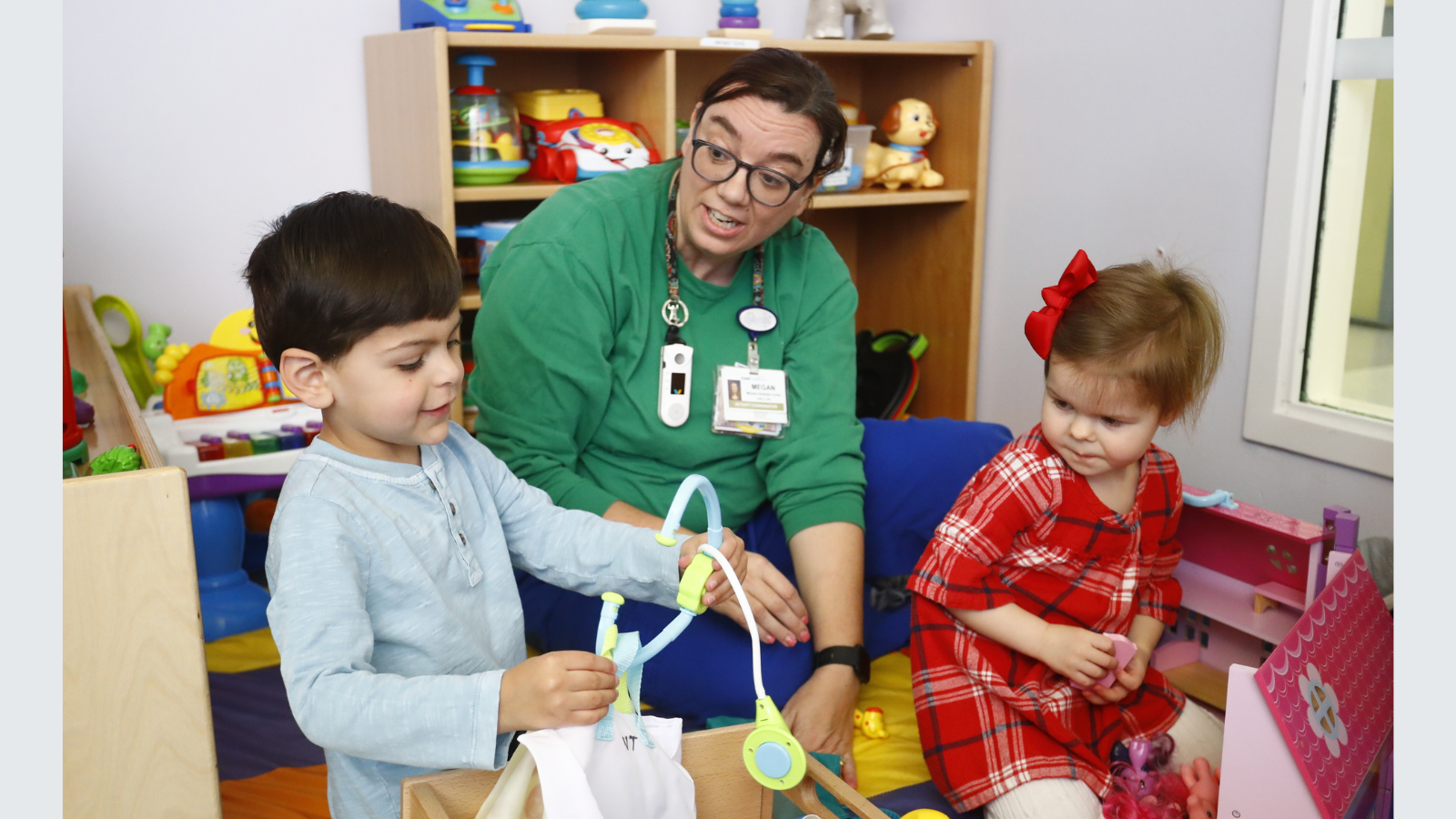 The foundational principles of child life services include emotional support, preparation for medical procedures, parental involvement and play.
At the heart of child life lies play, a fundamental principle that guides all other aspects of the profession. While play can sound simple and unimportant to the world, it is the primary way to relate to children. Children communicate through play in many ways: parallel play, cooperative play, constructive play, physical play and more.
As Fred Rogers, a television host and author better known as Mister Rogers stated, “Play is a child’s most important means of communication. Children are not self-conscious about playing. They play out what they think is real. That’s the ultimate honesty. Children bring their whole inner drama to any relationship.”
He also said, “Play is the work of childhood,” highlighting its crucial role in learning and development. Play is the best framework for every interaction with children.
So when a child is experiencing something new, different, scary, or confusing like the hospital, play becomes the essential starting point. It remains central to normalizing the hospital environment and facilitating healing.
In The Story of Child Life, authors Susan Wojtasik and Claire White state, “Preparation for medical encounters, supporting family centered care, pain management, coping with grief and loss are as fundamental to child life practice today as is play. Nevertheless, play continues as a central experience in the hospital lives of children. It is a mode of healing.”
In some ways play has evolved over time with the development of technology. However, it has not changed a child’s need for free play, dress-up, or face-to-face interaction over a good card game or Barbie playtime.
Medical play, a cornerstone of child life practice, empowers children to process their medical experiences. By taking on the roles of doctors or nurses, children gain control and express their emotions, allowing child life specialists to understand their interpretations of their diagnoses and treatments.
So while the landscape of play has expanded, its core purpose – to learn, express and cope – remains unchanged. Children still thrive through pretending, competing and building, both independently and with others.
Emotional Support
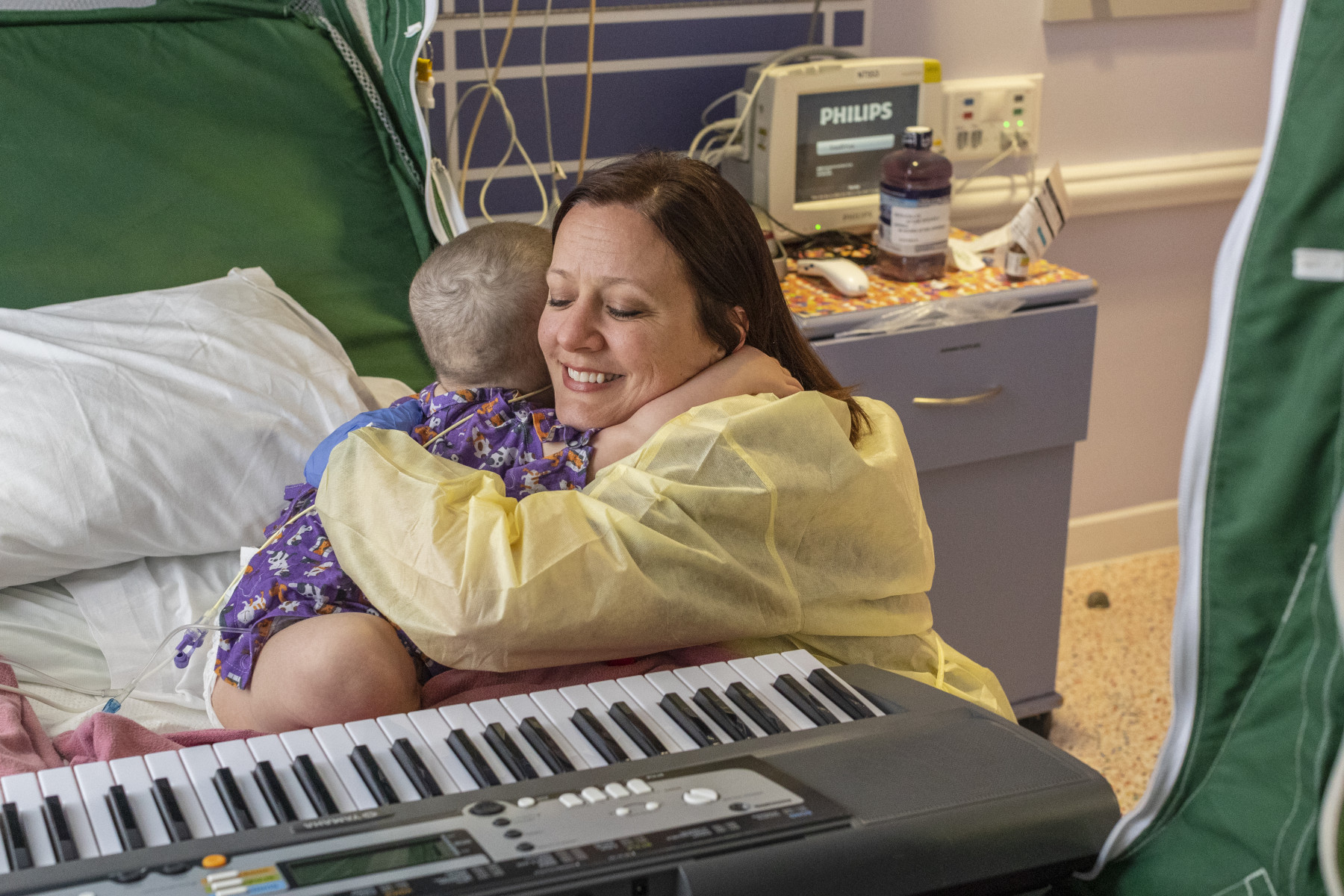 While play is the foundation for communication with children, another principle of child life is emotional support.
Over the years, child life specialists have become essential in providing this support to patients and families, occupying a unique position within the health care team.
They are not responsible for making medical decisions for the patients or carrying out medical procedures; however, they serve as a constant, empathetic presence, guiding patients and families through the emotional complexities of their medical journey.
While other professionals can provide emotional support, child life specialists have the unique role in a therapeutic relationship with patients and families that includes a lot of play and fun. This type of relationship breaks down emotional barriers and fosters trust.
From initial hospital admission to end-of-life care, child life specialists offer unwavering emotional support to patients, families and friends. Over the past century, their reach has expanded significantly, extending beyond inpatient settings to outpatient clinics, specialty clinics, emergency departments and many other spaces. Today, emotional safety is at the forefront of pediatric care, and child life specialists are leading the charge to ensure that the emotional well-being of children is protected within their health care experiences.
Preparation
Preparing and supporting patients for medical procedures and experiences is another foundational principal for child life. Since its inception, the profession has emphasized the value of preparing children for medical experiences.
There are many ways to prepare children, but we know that play is the foundation of communication with children; therefore, effective preparation incorporates play and demonstration, including medical play. Preparation also includes sensory information for the patients – what they will feel, see, smell, and hear – before, during and after procedures. Child life specialists can prepare patients and families for a wide variety of medical experiences, from blood pressure cuff placement to an IV start, MRIs and end-of-life care.
Child life specialists are trained to use developmentally appropriate language with children, translating complex medical terms into understandable concepts, like describing a tourniquet as a “tight squeeze.” This language helps alleviate fear.
Child life specialists also educate patients about new diagnoses and collaborate with families to create personalized coping plans. Over time, this aspect of child life has become increasingly specialized, making child life specialists essential in helping patients navigate and cope with their medical environments and experiences.
Parent Involvement
L astly, child life specialists foundationally believe in parent involvement. A century ago, parental presence was not a given in hospital settings.
One of my favorite books is Curious George goes to the Hospital by H.A. and Margaret Rey. It was originally published in 1966, and the Man with the Yellow Hat was not allowed to stay at the hospital with George. While this book is chalked full of the foundations of child life, it is clear that family-centered care was not yet a standard practice.
It wasn’t until 1980s that family-centered care was introduced to hospitals and not until 2003 that the American Academy of Pediatrics added family-centered care to their policies. Child life specialists were instrumental in advocating for parental inclusion in a child’s hospital stay and care. They were guided by family systems theory, which recognizes that a child’s medical experience affects the entire family.
Today, family-centered care is essential to medical care, especially pediatric care, with child life specialists championing parental presence and involvement in all aspects of care, from comfort positioning to education about procedures and diagnoses.
So, what is child life? Child life is the foundation of caring for children in the medical setting. Child life specialists exist to bring comfort and understanding to children within the medical environment and ensure their emotional safety through play, emotional support, preparation and parent involvement. A century later, child life specialists still play – first and foremost – provide emotional support, prepare, support and educate patient families, and advocate for family-centered care. As we celebrate child life month, we celebrate the incredible role that child life specialists play within the health care team.
References
Gaynard, L., Association for the Care of Children’s Health., & ACCH Child Life Research Project. (1990). Psychosocial care of children in hospitals : a clinical practice manual from the ACCH Child Life Research Project. Association for the Care of Children’s Health.
Wojtasik, S. P., & White, C. L. A. I. R. E. (2009). The story of child life. The handbook of child life: A guide for pediatric psychosocial care, 3-22.
RELATED ARTICLES
A Look Back: Celebrating 45 Years of Cook Children's Child Life Department
Child Life at Cook Children's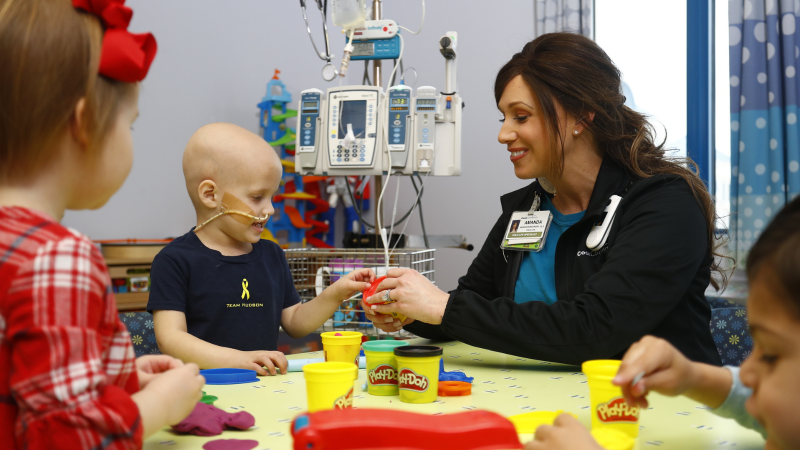 Children and teens of all ages can feel stressed or worried while visiting the hospital or clinic. The unfamiliar environment, loss of control, fear of pain and lack of routine are among the most common anxieties young patients feel during a health care encounter. Cook Children's child life specialists help patients and family members express and work through their concerns, as well as help make their stay at the medical center feel more normal.
When visiting Cook Children's, you can expect a child life specialist to offer assistance with coping, developmentally appropriate explanations of diagnoses and treatments, emotional support and opportunities for distraction and play. Child life specialists work with the medical team to ensure each child's needs are addressed in the most nurturing atmosphere possible.
The Child Life department at Cook Children's includes not only Child Life specialists, but also activity coordinators that help facilitate meaningful play opportunities for patients and siblings visiting the hospital. Visit our website to learn more.