

A Budding Partnership: Cook Children's Supports Healthy Living at Prepare to Prosper
By Eline Wiggins
As the vibrant colors of spring bloom across North Texas, so too does a unique partnership that cultivates more than just plants. At Prosper ISD’s Prepare to Prosper transitional services, students are digging their hands into the soil, nurturing not only vegetables but also valuable life skills, thanks to the support of Cook Children’s Center for Community Health.
Gardening is an engaging activity that helps students spend time outdoors and promotes physical activity. It also shows them how to grow healthy foods and teaches a sense of responsibility. The garden at Prepare to Prosper has already been a success earlier this year by producing more than 17 pounds of sweet potatoes, 4 pounds of snacking peppers and jalapenos, 5 pounds of arugula, and almost 9 pounds of tromboncino squash. Now the garden is exploding with sage, lavender, mint and squash. 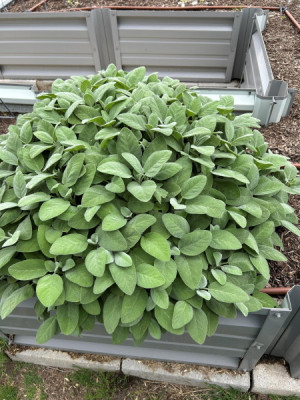
“For my students, the garden is a chance to get outside and get some fresh air and sunshine, which is so important!” said teacher Tanya Barrios.
While the prospect of maintaining a thriving garden might seem like a significant undertaking, the dedicated individuals at Prepare to Prosper are not alone. Cook Children’s Center for Community Health works with community partners to provide comprehensive support to these gardens, including educational resources, regular on-site visits, and insightful yearly workshops, ensuring the garden flourishes alongside the students. Cook Children’s Center for Community Health supports 24 gardens in our service area. 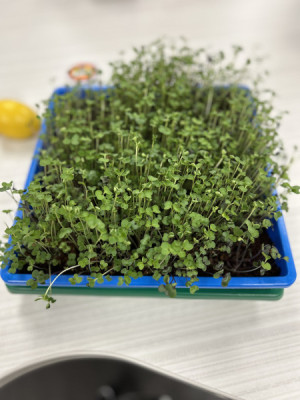
Beyond the walls of our medical center in Prosper, Cook Children’s is deeply invested in fostering a healthier community. More than just a fun activity, the garden serves as a living classroom, embodying the principles of Cook Children’s Center for Community Health’s 5210+ Every Day initiative. This vital program promotes healthy habits across our eight-county North Texas region, reminding families that every day should include: five servings of fruits and vegetables, no more than two hours of fun screen time, at least one hour of physical activity, zero sugary drinks and + means the importance of getting plenty of quality sleep. The hands-on experience of growing their own produce directly reinforces the “five fruits and vegetables” component in a tangible and engaging way. 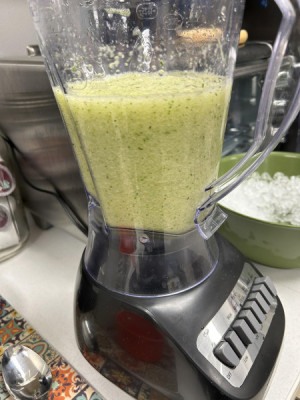
The students at Prepare to Prosper have already discovered the delicious rewards of their labor, transforming the microgreens they cultivate into nutritious smoothies – a tasty example of incorporating those vital daily fruits and vegetables.
Students have created wholesome dishes like sweet potato and lentil soup from their sweet potatoes, refreshing carrot salad, simply baked sweet potatoes, flavorful ranch sweet potatoes, and surprisingly delicious air-fried radishes. These experiences not only teach them about healthy eating but also valuable life skills in the kitchen.
“My students get to take part in nurturing the plants and seeing them grow and bear fruits and vegetables, which we eat. If they grow it, they are more likely to try it,” Mrs. Barrios said. “In addition, we help our friends and neighbors by sharing whatever we can't use. This past year, we grew lots and lots of arugula. It was more than we could use so we shared it with the ladies in the office. One of them is from Egypt and she said it tasted like the arugula she ate back home.”
Center for Community Health Programs
Gardening is an engaging way to teach a child about healthy lifestyles and skills that are far reaching.
Encourages healthy eating and increase physical activity
Eating healthy food is important for a child’s body and brain development but it can be difficult to get kids to eat their fruits and veggies. By having them grow their own string beans, carrots and lettuce, they will have a sense of pride in eating what they have “created”. This, in turn, will emphasize the importance of healthy eating. Kids may soon learn to love eating strawberries, blueberries and even broccoli. Moving soil, planting, weeding and tending to their garden gives children the opportunity to be physically active and decrease their time in front of a screen.
Fostering family bonding
Gardening can have a wonderful bonding effect between a child and their parents. Kids and parents can work together to decide what flowers and vegetables to plant and where to plant them. Families can then work together to make meals using the vegetables they have grown. The gardening experience not only can create positive experiences and memories but it can also strengthen their communication with each other. In this electronic age, kids need time for meaningful family connection. Working in the garden can help reduce stress levels in both the adult and children allowing them to be more present and focused on each other. A gardening program for children that includes parents can help strengthen parenting skills but also provide a source of support for parents.
Teaches responsibility and more
Gardening is a great way to teach kids about responsibility. Kids learn that they have to take care of their garden through the various stages of growth (from seed to a producing plant). The responsibility of caring for a garden also teaches children to be observant to the needs of their gardening and problem-solving through challenges their garden may face. Kids also learn patience. They learn that gardening is a slow process and that not everything provides immediate gratification. They have the opportunity to learn that waiting actually makes the moment the flower or vegetable sprouts even more exciting.
Other benefits
Gardening can offer children the opportunity to expand their knowledge in math and science. The increased physical activity of working in a garden can help children with their attention and focus. A garden also provides children the opportunity to explore and be more creative.
Through the Johnson Coalition Alliance for Healthy Kids (JCAHK) and Healthy Children Coalition for Parker County (HCCPC), we support local gardens so children have a hands-on opportunity to grow what they eat. Gardens are built to accommodate each site partner’s individual needs – some are built in raised beds, containers, towers, with indoor grow lights, or in individual planters for kids.
Questions or comments
If you have any questions or would like more information about our program, please email Aaron Olivares.
