

Texas Kratom Exposure Spike Prompts Advice from Cook Children’s Health Expert
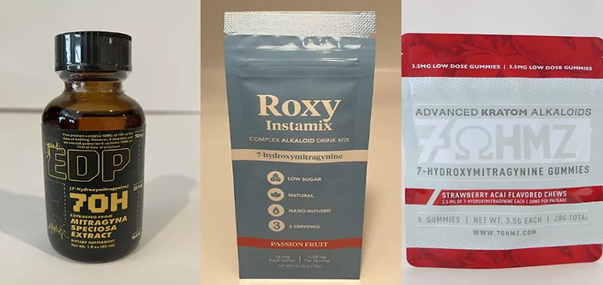
The Texas Poison Control Network received 192 reports of kratom and other 7-OH products in 2025 alone, compared with 229 exposures combined in 2023 and 2024.
The agency reported 19 cases this year. Eleven of those cases required treatment at a health care facility due to significant health risks.
Written by Samantha Youngblood
The Texas Poison Center has reported 192 exposures involving kratom or 7-hydroxymitragynine (7-OH) this year. 7-OH is a chemical compound found in small traces in kratom, a tropical tree native to Southeast Asia. Kratom is known for its stimulant and opioid-like effects. Both 7-OH and kratom are often marketed as remedies for pain, anxiety or opioid withdrawal.
The U.S. Food and Drug Administration recommends “consumers avoid 7-OH products, including conventional foods, dietary supplements, and those claiming to treat an ailment or disorder.” Neither 7-OH nor kratom is FDA-approved for medicinal use, and has not been proven safe or effective.
The Texas Department of State Health Services issued a public health alert on the use of 7-OH, on Sept. 2. DSHS has found 7-OH in low levels of kratom products sold as liquid extracts, powders and gummies across the state.
Klaressa Broughton, poison prevention program coordinator for Cook Children’s Center for Community Health, explains that the public health alert is intended to raise awareness of the dangers posed by 7-OH products due to the rise in cases and increased access to these products.
Broughton shares what parents should know about this public health alert and offers guidance on how to talk to their children.
How should parents talk to kids about 7-OH?
Create an open, honest and judgment-free environment. Parents should provide accurate information, encourage questions and reassure children that they have a trusted support system.
It is important for children to feel as though they have a support team and/or trusted adults they can go to for questions they may have. If needed, seek professional guidance to assist.
What does exposure look like?
According to the Centers for Disease Control and Prevention (CDC) and DSHS, Symptoms reported after harmful 7-OH exposure include:
- Nausea and vomiting
- Agitation or confusion
- Sweating
- Rapid heart rate
- High blood pressure
- Trouble breathing
- Drowsiness or loss of consciousness
- Seizures
What if a child consumes a 7-OH or kratom product?
Parents should seek medical attention immediately. If the child becomes unresponsive, parents are encouraged to administer naloxone, an over-the-counter medication that can temporarily reverse opioid-like effects. Naloxone is available at many pharmacies, including Cook Children’s Medical Center Pharmacy, and is often covered by insurance. Visit www.meddropbox.org for more poison prevention information.
Naloxone’s effects last 30 to 90 minutes, while 7-OH and kratom effects may last four to eight hours, making medical care essential.
Who can I talk to about 7-OH?
Consult a doctor or pharmacist before using any supplement, especially those marketed for pain, energy or mood.
- Talk to a health care provider about treatment for opioid addiction, anxiety, mood disorders or pain.
- Call the Poison Help Line at 800-222-1222 with concerns about 7-OH.
- Dial 911 immediately if someone is unresponsive or needs urgent medical attention.
How can I dispose of these products?
Visit a medication drop box at a local pharmacy. You can also participate in National Prescription Drug Take Back Day, organized by the U.S. Drug Enforcement Administration, on Oct. 25. Police departments across Texas will accept unwanted, unused or expired medications that day. This is a great opportunity to safely dispose of all unused or expired medications in your home, too.
Texans are encouraged to stay informed, talk with their health care providers, and take advantage of safe disposal options to reduce risks tied to 7-OH products.
