Practical Nutrition Tips for Families with Maya Rashad, MPH, RDN, LD
With nutrition advice flooding social media feeds, many caregivers feel overwhelmed about where to start. In this episode of For Kids' Sake, Maya Rashad, MPH, RDN, LD, nutrition coordinator at Cook Children’s, shares practical strategies people can use to build healthy eating habits together as a family. From healthy snacks and picky eaters to grocery budgets and cooking with children, the conversation focuses on simple, sustainable approaches to nutrition and family meals. Here's an edited Q&A version of the discussion.
Q: If families could focus on just one nutrition habit, what would it be?
Rashad: Start by eating together more often. Family meals allow caregivers to model healthy habits and teach children about nutrition in a natural way. When families eat together regularly, children learn what balanced meals look like and are more likely to carry those habits with them outside the home. The specific meal doesn't matter. Choose whichever works best for your family and schedule.
Q: What makes a healthy snack?
Rashad: Snacks aren't bad. They should simply help children meet their nutrition goals.
A good snack includes:
- A fruit, vegetable or whole grain
- Ideally two food groups
- A combination of carbohydrates and protein for staying power
For example, popcorn and nuts can provide both fiber and protein while helping kids feel fuller for longer.
Q: How can families avoid being influenced by unhealthy food marketing?
Rashad: Food companies do an excellent job marketing products to children. Bright packaging and well-loved characters can make certain foods appealing, but caregivers can make healthy foods fun too. Using fruit and vegetable cutters, creating playful presentations and involving children in food preparation can make nutritious options more exciting without relying on packaged snacks. Just because a food is healthy, doesn’t mean it has to be serious.
Q: What if families don't have time to prepare everything from scratch?
Rashad: Don't be afraid of convenience. Healthy eating doesn't require homemade pasta and sauces and scratch-made meals every night. Convenience items can be part of a healthy routine.
Examples include:
- Rotisserie chicken
- Frozen vegetables
- Microwavable whole grains
- Prepackaged healthy snacks
The goal is to combine convenience with nutritious additions to create meals that fit real life.
Q: Is healthy eating always more expensive?
Rashad: Not necessarily. Canned and frozen foods are often affordable, nutritious options.
Frozen vegetables are typically harvested at peak freshness and frozen immediately, which can preserve nutrients, oftentimes meaning it has more nutrients than fresh produce. Canned foods can also fit into a healthy eating plan, especially when choosing low-sodium versions or rinsing canned products before use.
Another budget-friendly strategy is incorporating more plant-based foods such as:
- Beans
- Lentils
- Plant proteins
Families can even stretch grocery budgets by combining lentils with ground beef in recipes.
Q: What should families know about food safety?
Rashad: Practice basic food safety without avoiding fruits and vegetables altogether.
Good habits include:
- Washing hands before food preparation
- Washing hands after using the bathroom
- Properly cooking foods when appropriate
Families shouldn't allow concerns about foodborne illness to discourage fruit and vegetable consumption.
Q: Why is it important to involve children in cooking?
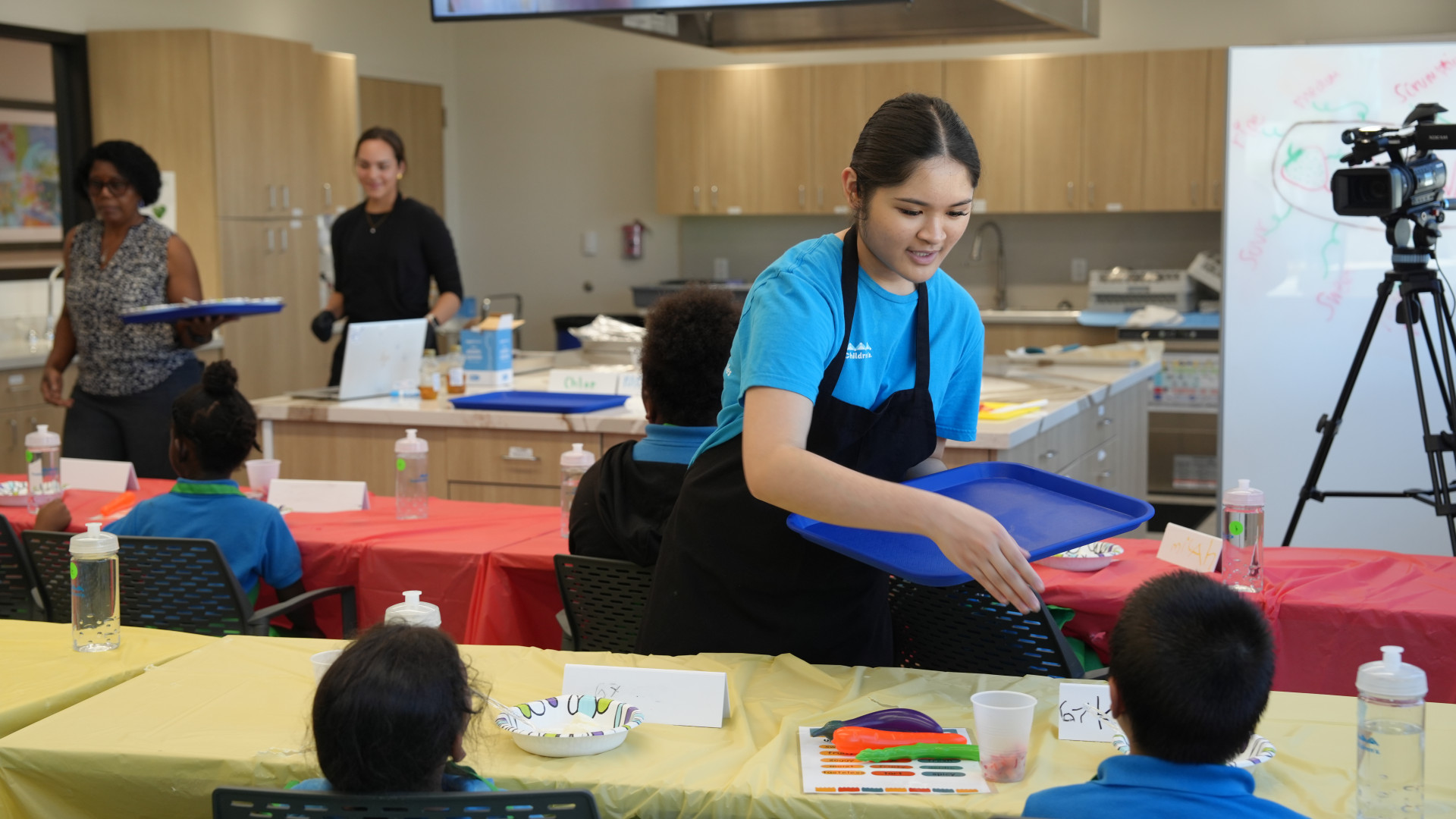
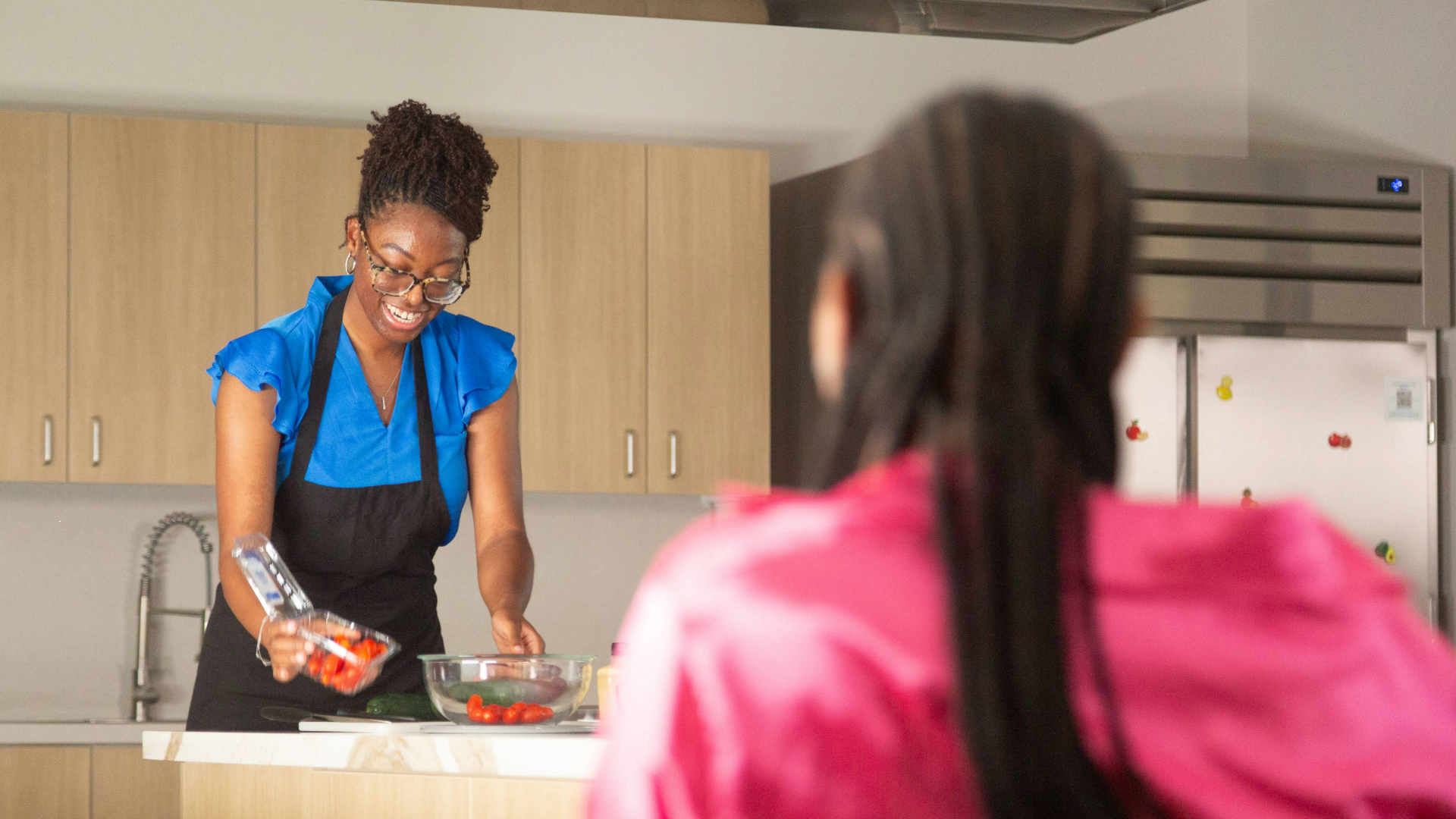
Rashad: Kids can begin helping in the kitchen much earlier than many people think.
Even children as young as two years old can participate by:
- Rinsing produce
- Removing stems from fruits
- Assisting with simple food preparation
Cooking builds confidence, teaches life skills and helps children develop a healthier relationship with food.
Q: How many times should a child be exposed to a food before deciding they don't like it?
Rashad: Research shows it can take 10 to 15 exposures. Exposure doesn't mean eating the food every time. Simply seeing it, helping prepare it or having it on their plate counts. Caregivers should:
- Remain patient
- Stay positive
- Ask questions
- Avoid pressure
Treat unfamiliar foods with curiosity rather than frustration. If a child doesn’t want to eat something and ask them why and turn it into a conversation.
Q: What's the biggest nutrition myth parents should know?
Rashad: Nutrition isn't supposed to be perfect. Many caregivers focus too much on perfection when consistency matters more. A healthy pattern includes:
- Variety
- Small sustainable changes
- Flexibility
- Grace for yourself and your family
Final Thoughts?
Rashad: Nutrition should be a family affair. The more families involve children in meal planning, cooking and conversations about food, the more likely healthy habits will stick for the long term.