

Flu Cases Surge at Cook Children's, Leading to High Patient Volumes
Parents asked to pack their patience as influx of sick children lead to high wait times in emergency rooms and urgent care centers
Flu activity is soaring across North Texas, leading to high patient volumes at Cook Children’s emergency departments and urgent care centers.
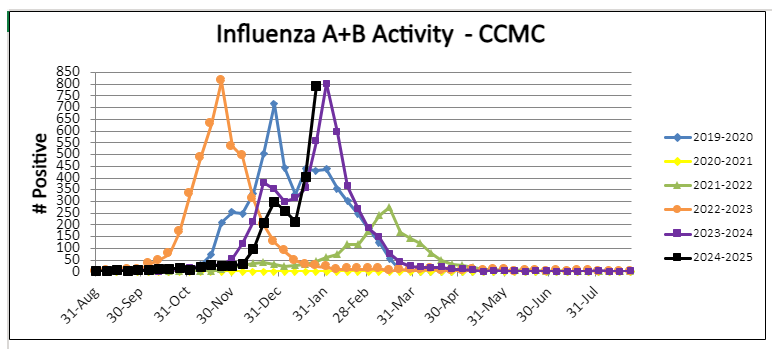
Last week, Cook Children's saw more than 900 positive flu cases at its medical centers in Fort Worth and Prosper. Mostly driven by Influenza A cases, this flu season is quickly shaping up to surpass the past several years.
This surge in illness is also triggering high volumes of patients across the health care system, and that means high wait times.
“When large numbers of children are coming into the emergency department, wait times go up,” said Natalie Carpenter, director of Emergency Services at Cook Children's. “We have to treat patients in order of the severity of their illness, so that means kids with mild symptoms may be in the waiting room for long periods.”
On Monday, Jan. 27, the emergency department in Fort Worth saw 696 patients, while 1,030 patients were seen across Cook Children's seven urgent care locations. For context, an average of 379 patients are seen during a normal day in Cook Children's Fort Worth emergency room.
“Unfortunately, this is a trend we’re seeing year after year,” said Mary Suzanne Whitworth, M.D., medical director of Infectious Diseases at Cook Children’s. “The rates of respiratory illness among children in our community continue to rise. Many of these children need medical attention to control their symptoms.”
Dr. Whitworth encourages parents to practice prevention when it comes to flu and other viruses:
- Keep your child home when they are sick
- Avoid close contact with people who are sick
- Wash hands frequently
- Avoid touching nose, eyes and mouth
- Get a flu vaccine for you and your child
“The flu vaccine is the best prevention we have against the virus,” said Dr. Whitworth. “It’s not too late to get your vaccine. With the flu season ramping up, now is the time to get vaccinated if you haven’t already.”
There is some good news regarding RSV, the respiratory virus that was hitting kids hard this past fall. Last week we saw 124 RSV cases at the medical centers in Fort Worth and Prosper, a significant drop from the more than 400 cases per week reported in December.
Norovirus is also circulating, but not as widespread as RSV and flu. There were 36 cases of norovirus at Cook Children's - Fort Worth last week.
Managing Symptoms at Home When Possible
If your child is sick, your first call should be to your pediatrician. They can help you decide if your child needs to come into the office or go to an urgent care or emergency room.
For many children, viral illnesses like the flu, RSV, and COVID-19 can be managed at home with supportive care. Over-the-counter medications like acetaminophen or ibuprofen (avoid ibuprofen in infants younger than 6 months) can help reduce fever and discomfort.
Maintaining hydration is crucial; encourage fluids and consider electrolyte drinks or popsicles. Saline nasal drops and a cool-mist humidifier can help alleviate congestion.
A fever is defined as a temperature of 100.4 or above. A temperature above 100.4 in babies less than 2 months old is a medical emergency and needs to be evaluated in the emergency room. Any fever lasting longer than four to five days, or one that continues to climb and does not break with fever reducers, should be evaluated by a physician.
"It is safe to manage your child’s symptoms at home as long as they are not displaying signs of severe illness, respiratory distress or dehydration," Dr. Whitworth added.
When to Seek Medical Attention
While most cases can be managed at home, it's essential to recognize the signs of respiratory distress or dehydration, which require immediate medical attention.
Signs of respiratory distress:
- Increased number of breaths per minute
- Increased heart rate
- Bluish color around the mouth, on the lips, or on the fingernails
- Pale or grayish skin
- Grunting sound during exhale
- Nose flaring
- Chest appears to sink in with each breath
- Head bobbing when breathing in
- Change in alertness
Signs of dehydration:
- Urine output significantly below the child’s normal (at least once every 8 hours)
- Not producing tears when crying and eyes appear sunken
- In infants, the soft spot on top of their heads looks sunken
- Dried mucus membranes (lining within the nostrils, mouth, throat)
- Sleepy and unresponsive
If your child exhibits any of these signs, seek immediate care at an urgent care facility or the emergency department. Reserving visits to urgent care or the emergency department for truly urgent needs helps ensure timely care for those who need it most, reduces wait times for everyone, conserves resources, and limits your child’s exposure to other viruses.
