

Down, Set…Safety First: Protecting Players in the High Stakes Game of High School Football
By Ashley Antle
Friday night lights are beaming bright in high school football stadiums all across the country. Players are suited up, taped up and ready to rumble in an inherently unpredictable game where anything can happen. A turnover that shifts the momentum. A missed tackle that gives up a touchdown. A Hail Mary that wins the game. In football, only one thing is for sure — the risk of injury to players.
Among all high school sports, football ranks No. 1 in injury rates, according to a study published in the Orthopaedic Journal of Sports Medicine. It’s no surprise given the nature of the game, says Dan Guzman, M.D., an emergency medicine physician at Cook Children’s Medical Center – Fort Worth.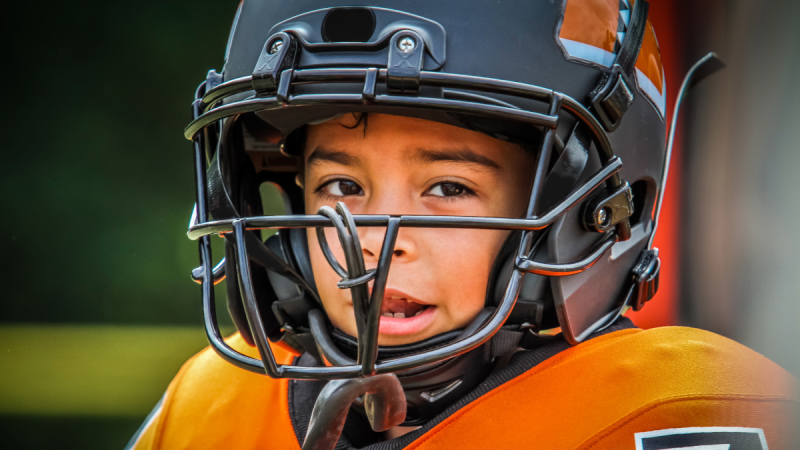
“It's a violent sport, and we know players are trained to go out and get that ball and hit hard,” Dr. Guzman said. “So we're going to, unfortunately, have injuries as a result of that aggressive play.”
In some cases, the results are tragic.
In 2023, the National Center for Catastrophic Sports Injuries reported 16 football-related deaths in its Annual Survey of Football Injury Research. Five deaths were at the college level, seven in high school, two in middle school and two in youth league. Three deaths were directly related to football and a result of a traumatic brain injury. Ten fatalities were classified as exertional/medical fatalities, which includes sudden cardiac arrest and heatstroke, that occured during football-related activity.
In August, National Public Radio (NPR) reported that at least seven high school and middle school football players died during that month from head injuries or suspected heatstroke.
Tackling Trauma
Dr. Guzman has seen his fair share of football-related injuries in Cook Children’s Emergency Department. Most players visit the ER for orthopedic injuries of upper or lower extremities. Dr. Guzman suggests recent efforts to protect the head and neck from traumatic injury are leading to an increase in shoulder and arm injuries. Although these injuries can be serious and lead to loss of playing time, the trade-off is necessary to decrease the risk of traumatic brain injury or concussion, and to protect more critical areas of the body.
“Coaches are teaching kids to not use their head and neck to initiate contact and, instead, use their shoulder, so I think we've seen a slight increase in the number of shoulder and clavicle injuries and shoulder separations,” Dr. Guzman said.
Not all injuries warrant a trip to the ER, but can have just as significant out of activity implications as their more serious counterparts. Bruises, sprains and strains are some of the most frequent injuries seen in football, according to Jeffrey Bass, MS, ATC, LAT, OPE-C, a licensed and board certified athletic trainer at Cook Children’s Orthopedics and Sports Medicine Walsh Ranch. Bass is also a football medical observer in the Big 12 Conference and a regular on the sidelines at high school football games, where he’s often referred to as “Doc” while he works to protect young athletes from injury.
“It’s a term of endearment based on the fact that the athletic trainer’s work can parallel that of a physician and because they can fill many roles, especially in rural areas,” he said. “The good news is I’ve never been confused with any of our local doctors, and I’ve never been asked to operate on anyone or deliver a baby.”
With 46 years of experience in the industry, Bass knows what makes a good football program, and a focus on player safety is at the top of his list.
“We know that about 95% of participants involved in competitive athletics are going to have a time loss injury,” Bass said. “It’s not a matter of if, it’s just when.”
With the risk of injury in competitive athletics so high, especially in a full-contact sport like football, it’s important that parents know that their child’s football program is ready and equipped to respond to an injury, be it minor or severe. We asked our experts to tell us what’s most important when it comes to player safety so parents can worry less and focus more on cheering their athlete into the endzone.
What are the most important safety elements of a football program?
Be Prepared
Texas Senate Bill 82 outlines safety regulations for public school extracurricular activities. It mandates safety training for all coaches or athletic event sponsors, along with an emergency drill incorporating this training. It also requires that student athletes be provided training in recognizing symptoms of catastrophic injuries, such as head and neck injuries, concussion, heatstroke, and more.
The University Interscholastic League (UIL) advises that schools have a detailed emergency action plan to respond to player and spectator medical emergencies during sporting events. Having a plan is the single most important element of a safe football program, according to Bass.
“It’s about having a plan in place, knowing that the likelihood of injury is going to be well above 50% to at least one player,” Bass said. “Do I have the necessary equipment? Do we have splints? Does someone have a phone to call 911? Do we have an AED? Who will make sure gates are unlocked for the ambulance? Do I have the processes in place to deal with an emergency? If we don't have EMS on site, how is that going to change our approach to the need of care and transport? If I'm trying to do it on the fly when everybody's excited, that is not the ideal time to be discussing these things.”
Prioritize Professionals
“Whether it's basketball, football, baseball or any other sport, parents need to know, not just assume, that in the event medical care is needed, there is somebody there that's qualified to care for their child,” Bass said. “We realize there are differences, obviously, between the larger public schools with more established programs and smaller or private school programs, but it’s still full-contact tackle football, and it doesn't make any difference what level that it's played at. You still need to know who is there to care for your child if they are injured.”
In addition to physicians, board certified athletic trainers like Bass often serve as a team’s chief medical professional both on the sideline and in the locker room. Athletic trainers are allied health professionals who specialize in injury prevention, assessment, diagnosis, care and rehabilitation for athletes.
But not all schools have the resources to have a physician or athletic trainer on the sideline for every game. In this case, someone trained in basic CPR should be present, Dr. Guzman says.
“That's the most lifesaving part of this entire conversation,” Dr. Guzman said. “If a player goes down who's unresponsive for whatever reason, then someone can start and initiate CPR within seconds.”
As a Project ADAM partner, Cook Children’s is helping more that 530 schools in North Texas become “Heart Safe” by training school staff and coaches on CPR, how to use an automated external defibrillator (AED) and how to create an emergency plan.
What can parents do to help protect their athletes?
Stay Informed
Ask questions and communicate openly with coaching staff about their protocols in the event of an injury. With a concussion, for example, understand how your player will be evaluated on the sideline. Who and what will determine if they are or are not ready to go back into the game? Going back too soon, Dr. Guzman says, can lead to a traumatic brain injury.
“It’s really important to have that open door communication with the school and coaching staff, " Dr. Guzman said. “Make sure that all those things are in place to keep our kids safe. Don't just think that it's being taken care of. The state of Texas does a pretty good job of making sure that there are lots of protocols in place to keep kids safe, whether it's in the school or at these events, but I think we still need to be a part of that conversation as parents.”
Stay Alert
Kids don’t always speak up when they are hurt for fear of being benched or considered weak. Committed players will often try to tough it out, and that’s not always best for their health. Playing with an injury can lead to a more serious complication that ultimately increases an athlete's time away from the game.
“Parents have to watch for those subtle changes in their children,” Dr. Guzman said. “Whether they're walking a little differently or they're not picking up their backpack the same way.”
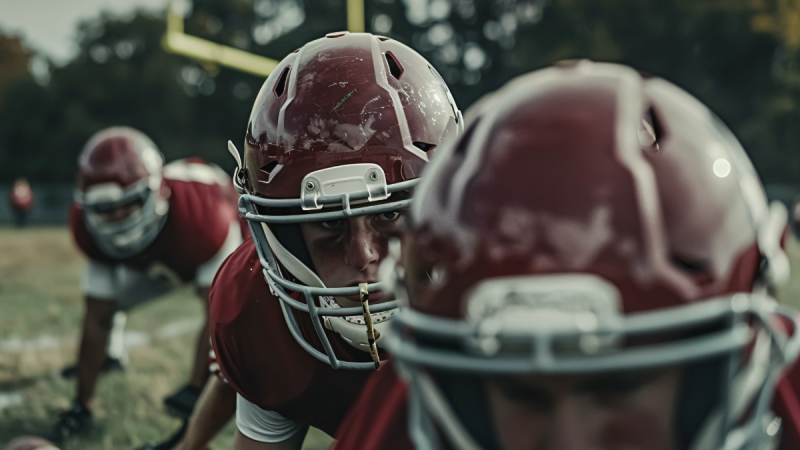 Bass says part of his role as an athletic trainer is to educate players about what their body is telling them, and to help them understand the process for getting them through that injury and back in the game.
“I tell them it’s how we deal with injury that ultimately determines the character of what kind of player we’re going to be,” Bass said. “So if we have something that is swollen, that is uncomfortable and just doesn't look the way it should, that's something we need to have evaluated.”
When an injury does occur, the John and Tracy Sellers Sports Complex at Cook Children’s Orthopedics and Sports Medicine Walsh Ranch, helps young athletes get back in the game with training and rehabilitation services. The Sellers Sports Complex also offers injury prevention programs and sport and position-specific training led by certified athletic trainers.
For more on this and health and safety tips for young athletes, click on the links below.
Related Stories
Protein This, Creatine That: What Teen Athletes & Parents Need to Know About Supplements
Cook Children's Opens New Sports Complex Keeps Young Athletes in the Game
Protecting Young Minds: Sports Medicine Physician Shares the 411 on Concussions
Damar Hamlin’s Cardiac Arrest Shows Importance of Preparation for Cardiac Emergency in Sports, Schools
Outdoor Practice: Precautions to Keep in Mind During Hot, Humid Days
Is Bulking Up Bad? How Young Athletes Can Safely Build Muscle Mass to Power Performance
About Cook Children’s Orthopedics and Sports Medicine Walsh Ranch
Cook Children's Orthopedics in Aledo is your trusted team for pediatric orthopedic care. Our specialized team of specialists is dedicated to providing compassionate and comprehensive treatments for injuries and conditions affecting children's bones. Our staff are experts on the pediatric skeleton, growth and bone development. Cook Children's Orthopedics provides comprehensive treatment for children and adolescents with sports injuries, traumatic injuries, congenital and developmental problems of the extremities and spine.
