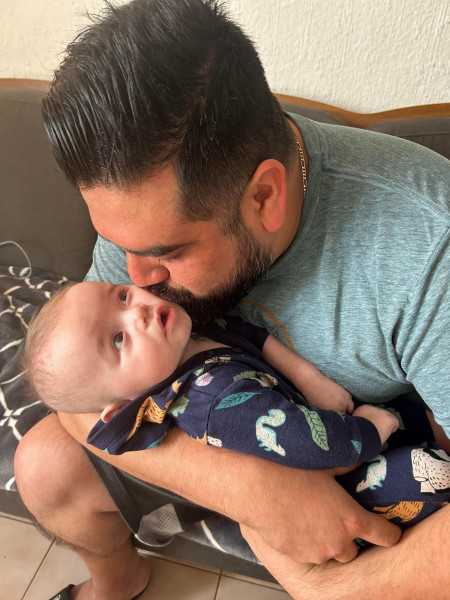
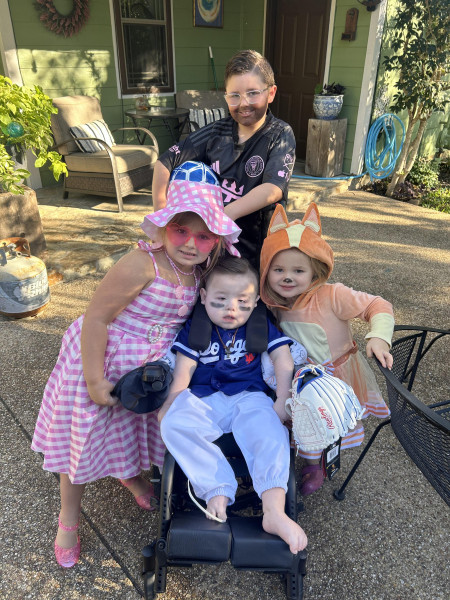
Rare Disease Day: Meet 4-Year-Old Evalyn and 2-Year-Old Máximo
Two families, two unique journeys, and one shared mission of hope at Cook Children's.
Meet Evalyn
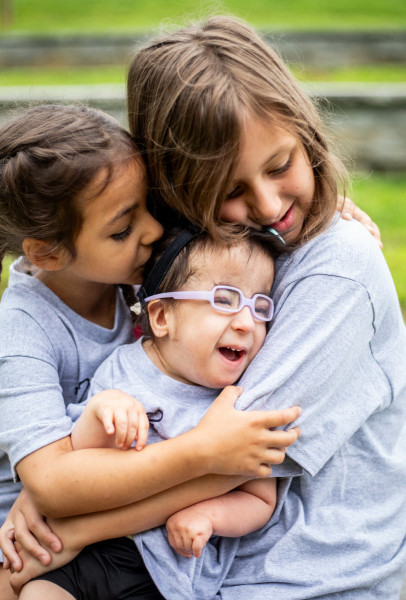
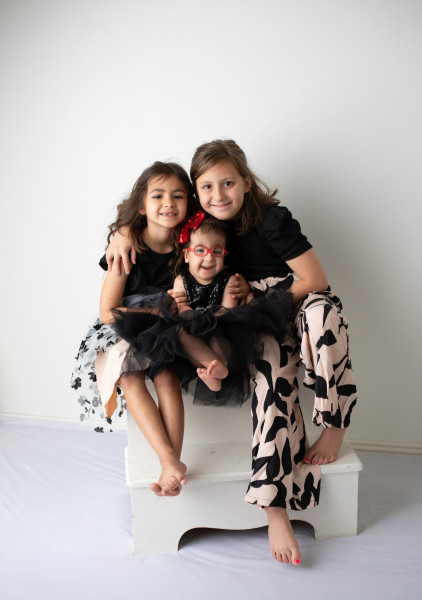
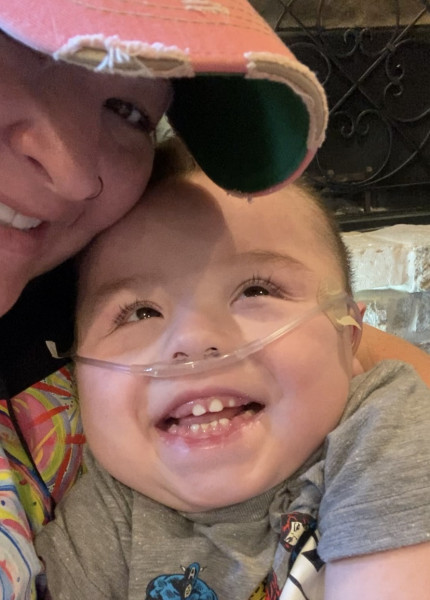
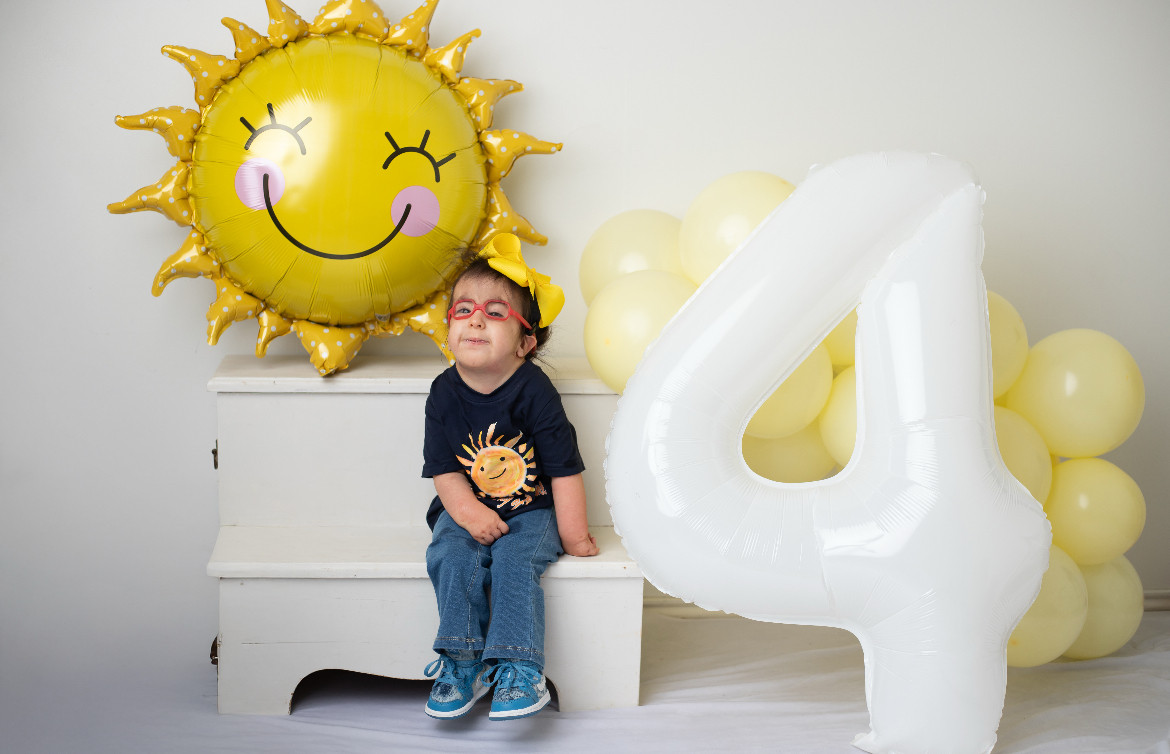 Four-year-old Evalyn Scuderi is like any other toddler: she loves Moana, lights, music, swimming and being hugged. Vivacious Evalyn is one of many patients at Cook Children’s born with a rare disease.
She was diagnosed with Trisomy 18, which affects 3 out of every 10,000 live births in the US and is caused by changes to the number or structure of a person’s chromosomes, according to the American Academy of Pediatrics. This causes low birth weight and a small head, mouth, and jaw. Their hands typically form clenched fists with fingers that overlap. They also might have birth defects involving the hips and feet, heart and kidney problems, and intellectual disability. Only about 10-25% of these children are expected to live longer than one year.
Evalyn is defying the odds and enjoying each day as it comes.
“She will wiggle her arms and legs in joy and make the happiest of sounds and just plant the biggest kiss on your face when you pick her up,” her mother, Amber Marie Scuderi said. “It’s humbling, because she is just happy you’re there to love her and for her to love on you!”
Amber Marie says they are living through a changing narrative as a new American Academy of Pediatrics clinical report was released last year for caring for children with Trisomy 18.
“I have learned so much from other parents who have gone before us and now we are blessed to walk with others who go after us to understand what these sweet kids are capable of and how they function,” Amber Marie said.
Amber Marie encourages others to remember that children with Trisomy 18 are more than their diagnosis and that it’s important to help them experience the world around them. Evalyn, described as “adrenaline junkie,” has gone sledding and down water slides, and does everything that her sister does in an adapted way.
“We never know what illness will be her last, BUT we know that when her race is done, we did everything in our power to make sure she went home to LIVE!” Amber Marie said. “So do something meaningful for them now, embrace them for who they are and adapt for them to experience the world around them too! You’re far more capable to do this than you think!"
Meet Máximo
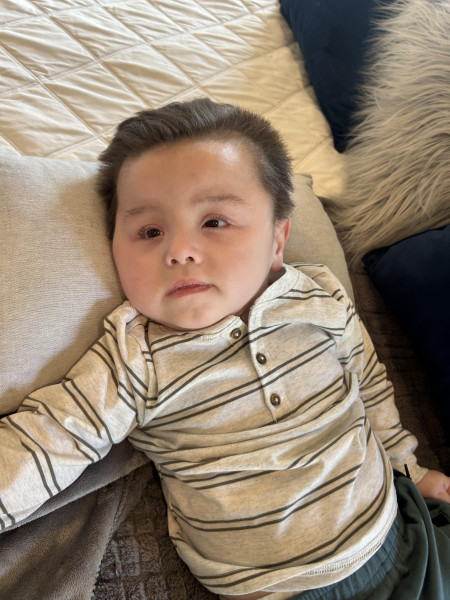
Two-year-old Máximo Sagrero was born with Menkes disease, a rare disorder that often occurs in males. It is caused by a gene mutation that affects how the body transports and maintains copper levels and affects the body. It affects how a child grows and can cause damage to the brain and nervous system. In the US, the incidence of Menkes ranges between one in every 50,000 and one in every 250,000 live births, according to the National Institutes of Health.
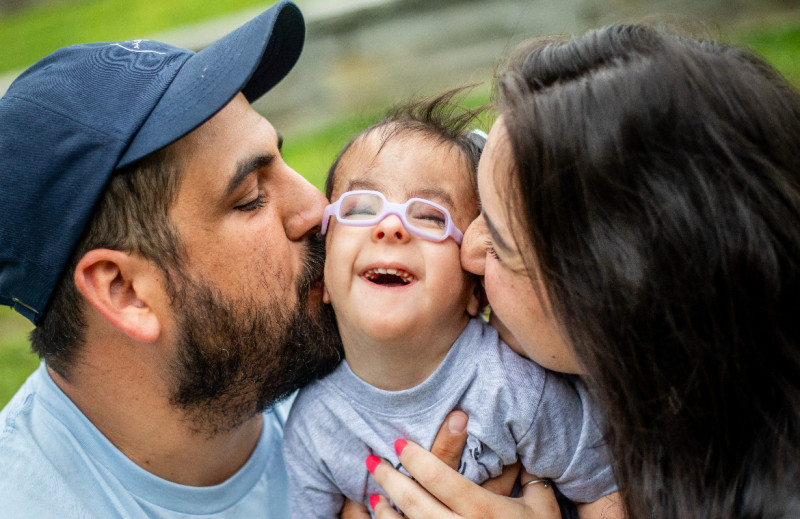
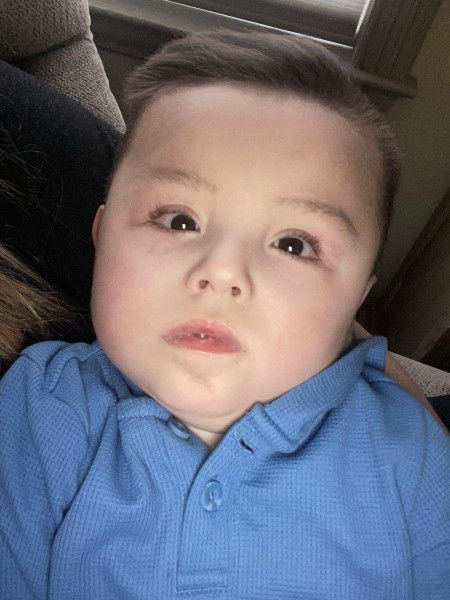 “Máximo is not defined by his diagnosis. He’s defined by his resilience, by the love that surrounds him and by the faith that carries us through the hardest days and reminds us that God created him with purpose,” says Máximo’s mother, Katy Sagrero.
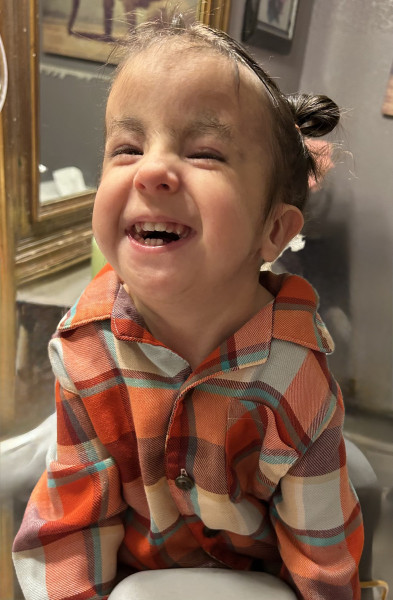
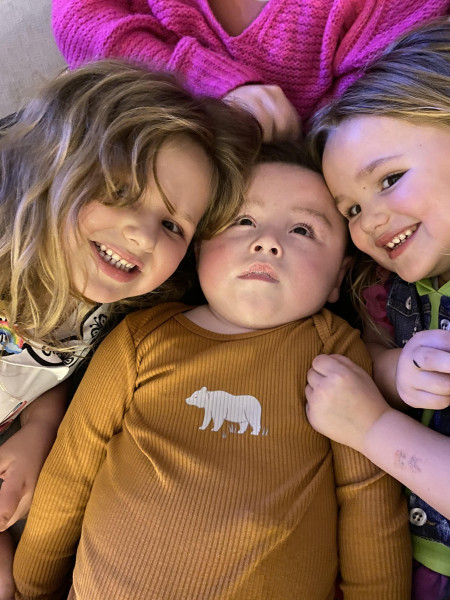
Máximo loves playing with his toys, listening to music, looking at colorful lights, playing with his cousins and participating in his therapies. Katy says Máximo has come so far and he has encouraged so many others.
“His first couple of years were scary and I was anxious about everything, unsure if the next illness would be his last!” Katy said. “But God has given us unimaginable peace and strength to persevere and Máximo has overcome more than I could have ever imagined. He’s our little resilient warrior dude, and we are proud of EVERYTHING he does.”
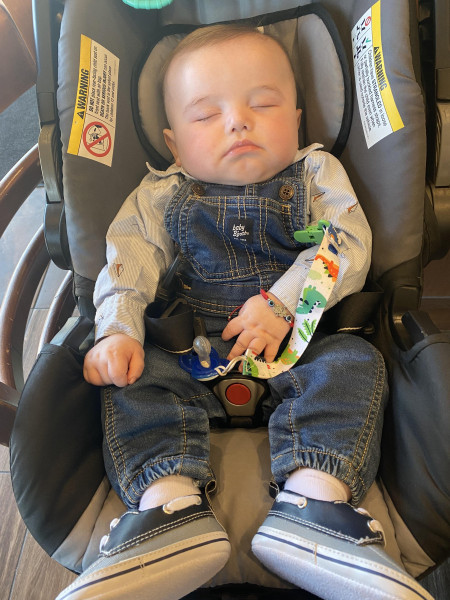
Menkes disease is characterized by coarse, kinky and silver-toned hair. Katy says that Máximo barely had any hair when he was born and she noticed it was brittle and white when it started growing in, which was surprising since she and her husband have dark hair.
“After starting the clinical trial and daily copper injections, his hair began changing from the inside out,” Katy said. “Now he has a full head of thick, dark, kinky hair and it’s the number one thing people comment on. The evolution of his hair from weak and brittle to strong and full really mirrors his journey so far.”
Katy says that early detection is critical and makes a big difference in a child’s trajectory. She says Máximo had experienced seizures before he was diagnosed.
Katy shared her advice for other parents who receive a Menkes diagnosis for their child:
“What honestly felt like a tragedy when my son was diagnosed, has actually been the biggest blessing of my life. My husband and I have grown stronger as a unit, our faith has become deeper and our biggest asset, assuring us that Máximo was given to us intentionally and purposefully. It’s shown us that people are so incredible and Menkes has united our family, friends, church and community in a way I couldn’t have dreamed. Just like us, you will appreciate the smaller things most take for granted and hopefully realize that God doesn’t make mistakes. He knew exactly what he was doing when He gave us Máximo and He knows exactly what He is doing by giving you your precious Menkes warrior too.”
SOURCES:
Pyle, A. K., George, T. N., Cummings, J. J., & Laventhal, N. T. (2025). Guidance for caring for infants and children with trisomy 13 and trisomy 18: Clinical report. Pediatrics, 156(2). https://doi.org/10.1542/peds.2025-072719
Ramani PK, Parayil Sankaran B. Menkes Disease. [Updated 2023 Nov 14]. In: StatPearls [Internet]. Treasure Island (FL): StatPearls Publishing; 2025 Jan-. Available from: https://www.ncbi.nlm.nih.gov/books/NBK560917/