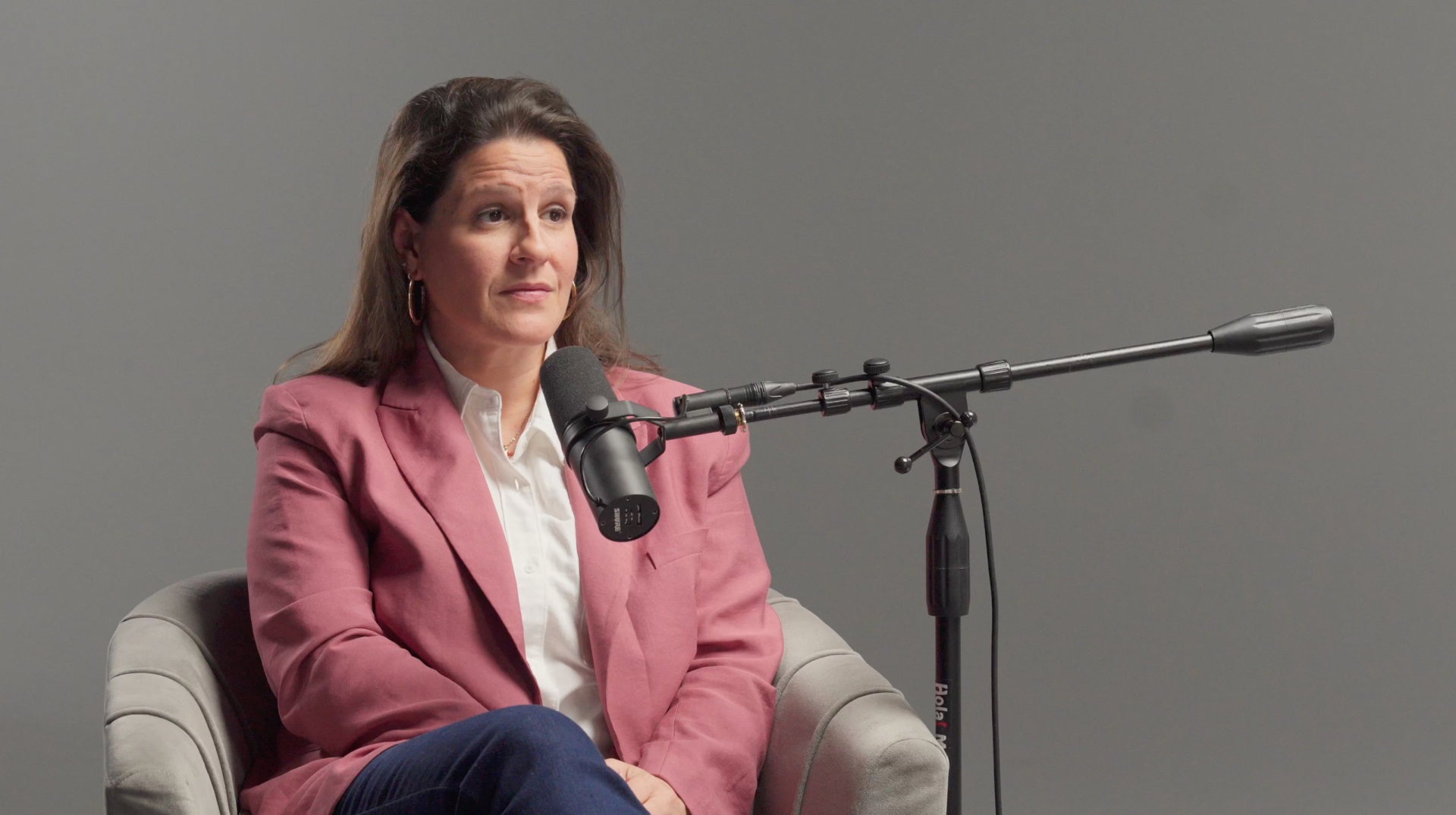
Immunizations, Questions and Trust with Alice Phillips, M.D.
It may feel confusing right now to be a caregiver with so much information out there about immunizations. There's certainly no shortage of information online right at our fingertips. But how do parents know what's trustworthy?
Parents are navigating conflicting opinions, social media discussions and misinformation. In the latest episode of For Kids' Sake, Alice Phillips, M.D., pediatrician and medical director for Ambulatory Quality at Cook Children's, discusses how families can find trustworthy information, understand immunization recommendations and feel confident asking questions and learn about the Cook Children’s Comfort Menu, a program designed to reduce fear and discomfort during vaccines and medical procedures.
Here's an edited Q&A version of the conversation.
Q: How should parents navigate all the information they're seeing about immunizations?
Dr. Phillips: First, please take a deep breath and pause and think, “who are my trusted sources?” and identify those. If something you read online sounds questionable, trust your instincts and bring those questions to your pediatrician. Parents don't have to sort through everything alone. We’ve been with you through sleepless newborn nights, potty training and maybe even scares at the hospital.
We’re here to help guide you through all of this information overload that we’re experiencing right now.
Q: Has anything changed about childhood immunization access?
Dr. Phillips: No. Families still have access to the same vaccines and should continue routine well-child visits. If your child is preparing for daycare, preschool or kindergarten, it's important to stay on track with those appointments and immunizations.
Q: What about delaying or spreading out immunizations?
Dr. Phillips: Parents have always had that option, but research has not shown delayed schedules to be safer. Delaying immunizations can create additional visits, increased costs and more stress for both children and families. If we did every shot separately, that is getting close to 30 or more visits for that child. That equals more time off work for families, trying to manage busy schedules, and a
Possibility that your child becomes scared of going to the doctor because they associate every visit with a shot.
Q: What is the Comfort Menu, and how can it help children who may struggle with shots or medical procedures?
Dr. Phillips: The Comfort Menu is a program developed by Cook Children's that helps children experience as little physical and emotional discomfort as possible during procedures like immunizations. We know shots can be scary, and we want to make the experience easier for both children and parents.
The Comfort Menu includes distraction techniques, toys, comfort positioning, parent involvement and tools that can help reduce discomfort. Sometimes parents naturally do some of these things themselves, like playing a child's favorite video during a shot. We also have other resources available, including numbing sprays and specialized comfort tools.
The program isn't limited to immunizations. It can also be used for IV starts, procedures and other situations where a child may feel anxious or afraid. For children who need additional support, we may involve Child Life specialists and other team members to help create a more positive experience.
The goal is simple: helping children feel as comfortable, supported and safe as possible during medical care.
Q: How are vaccines tested before they're approved?
Dr. Phillips: Vaccines go through extensive testing, including animal studies and three phases of human trials that evaluate safety and effectiveness. After FDA review, Cook Children's takes one step further and also conducts its own internal review process before adopting new vaccines. It's not a rubber stamp, we analyze all the evidence and research and a vaccine goes through these multiple steps before it’s ever introduced.
Q: You've shared that immunization is personal for you. Why?
Dr. Phillips: I’m very passionate about the pneumococcal vaccine because I’ve had two patients pass away from pneumococcal disease. Once it happens, it happens fast and it’s a hard bug to stop and it’s very powerful.
When the pneumococcal vaccine was first introduced, my own daughter was nine months old and received the very first dose given in my clinic. That's how strongly I believed then, and continue to believe today, in the protection vaccines provide.
I was willing to give my baby the first dose because it is an amazing thing, that we have these to save our kids. We aren’t just doctors, nurses or staff. We are moms too and in the end, we all want our kids to grow up happy and healthy and we have to focus on that.
*Additional information about the pneumococcal vaccine:
It protects against bacteria that can cause ear infections, pneumonia and other serious illnesses. The vaccine helps your immune system recognize and fight these germs before they can make you sick.
Q: Is it okay for parents to have questions?
Dr. Phillips: Absolutely! 100%. You ask questions about diapers, why wouldn’t you ask questions about vaccines?
Immunization science is complicated. Parents should feel comfortable asking questions and discussing concerns with their pediatrician. Don’t be afraid to ask questions.
Q: Is delaying immunization safer?
Dr. Phillips: No. Some diseases pose their highest risk during the first 12 months of life. Delaying immunization may leave children unprotected during their most vulnerable period.
Q: What's one of the biggest immunization myths?
Dr. Phillips: That vaccines are more dangerous than the diseases they prevent. Many vaccine-preventable illnesses can cause serious complications, and some can become life-threatening very quickly.
Q: Where should parents go for trustworthy information?
Dr. Phillips: Start with your pediatrician and evidence-based resources. If you see something online and aren't sure about it, bring it to your doctor and discuss it together.
Q: What would you say to a nervous parent?
Dr. Phillips: Every time I hear or read something new, I think, “Man. Parents must not just be nervous, they must be scared too.”
You're doing good work. You want what's best for your child. Keep asking questions and when you’re hearing something strange, lean on trusted medical professionals who can help you navigate those decisions.
Q: What is one thing parents should never feel embarrassed to ask?
Dr. Phillips: Anything. There are no bad questions.
And also flipping that on its head, parents should not be afraid to hear questions from us. When a family comes to me and they are worried about vaccines and don’t know what to do, I try to ask lots of questions about their worries and fears.
That is how we solve these problems and get to a solution that we’re all happy with.
Final Thoughts
Dr. Phillips: These are difficult times for many families. We understand that. Pediatricians and parents share the same goal: helping children grow up healthy and protected. We want families to know we're here to help.