Meet Maddie: The Inspirational 18-Year-old Living with Rare Skin Condition Ichthyosis
 Most 18-year-olds are focused on graduation, prom, college, and new beginnings. For Madison “Maddie” Hoffman, the future is bright, and her journey there has required a level of strength most people won’t face in a lifetime. Born with epidermolytic ichthyosis, a rare genetic skin condition affecting only 1 in 200,000 people, Maddie has spent her life navigating a world that wasn't built for fragile skin. She is a young woman on a mission to “turn her disability into something powerful."
Diagnosed at birth, Maddie’s family, friends and Cook Children’s care teams have been impressed with her continuous resilience in facing prejudice, bullying, mental health challenges, pain and hospitalizations due to skin infections. Maddie says she feels empowered to raise awareness of skin conditions and rare diseases.
“God has been so good to me and that resilience comes through because my mentality is ‘OK, it could be worse. How can I make it better?” Maddie said. “How can I make somebody else’s life better?”
There are more than 30 distinct types of ichthyosis, which are rare, mostly genetic disorders. The type Maddie has, epidermolytic ichthyosis, occurs in approximately 1 in 200,000 individuals, according to the National Organization for Rare Disorders. Maddie wants to let other children with rare diseases and disabilities know they aren’t alone.
“I can’t change (my condition), so I might as well use my disability as something really powerful,” Maddie said. “Don’t count us out in this world. We will always 1,000% surprise you. We are empowering people. I believe people with rare diseases can change this world. I believe I can change this world.”
Cook Children’s dermatologist, Heather Volkman, D.O., says Maddie’s form of ichthyosis makes her skin barrier very fragile and more susceptible to infections. Imagine if you had an open blister at all times. If Maddie acquires bacteria on her skin, such as methicillin-resistant Staph aureus (MRSA), which can be resistant to many antibiotics, it can be difficult to treat the infection and sometimes require hospitalization for intravenous antibiotics. Her hands and feet are predominantly affected.
“I get frustrated sometimes because of what (bacteria) goes into my body, especially when it comes to infections,” Maddie said. “You just have to remember that you can get through this if you have the right resources, a hospital, and I have my mom. It comes down to your mentality and how you take care of yourself.”
Journey & Resources at Cook Children’s
Maddie graduated from Aledo High School a year early and completed her junior and senior years in three months. She currently works in child care and hopes to become a Child Life Specialist to give back to Cook Children’s and support patients.
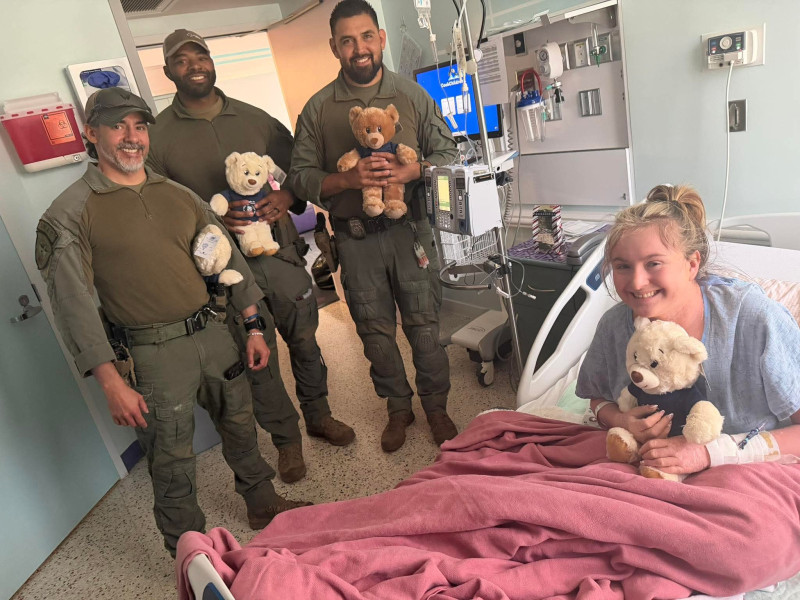 “Cook Children’s has definitely given me the resources, the tools and the education,” Maddie said. “I want to give back. The amazing nurses and doctors, Dr. Volkman, have changed my life. They’ve given me this new life I wouldn’t have without Cook Children’s.”
Maddie regularly sees Ear, Nose and Throat (ENT), wound care, infectious disease, pain management and dermatology teams at Cook Children’s.
Patients with rare diseases often face limited access to new medications because clinical trials, which are essential for the Federal Drug Administration to approve a drug and for it to be covered by health insurance, often have small patient populations. Dr. Volkman commends Maddie and her parents for being determined to find new medications to help patients with ichthyosis.
Maddie has faced four to five major skin infections that required hospital stays at Cook Children’s. She had two hospital stays in December 2025.
“I was so defeated because of this infection and it was a hard time for me,” Maddie said. “The nurses and doctors just keep you motivated. They’re so interactive and they truly get to know you. It truly makes a difference.”
Maddie said her favorite moments were seeing the Cook Children’s holiday light display and watching the Cook Children’s Radiothon.
“It’s the holidays and it’s the last place you want to be, but they do the little things like that. It was so cool,” Maddie said.
Maddie’s Mentality
Dr. Volkman says Maddie is a very strong young woman because she faces symptoms like pain and itching, but also quality-of-life issues with having a visual condition. She notes that some people incorrectly believe ichthyosis is contagious, but it is not.
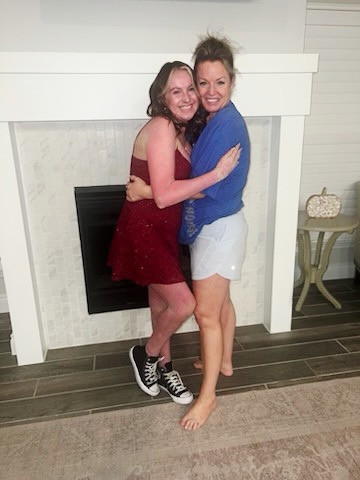
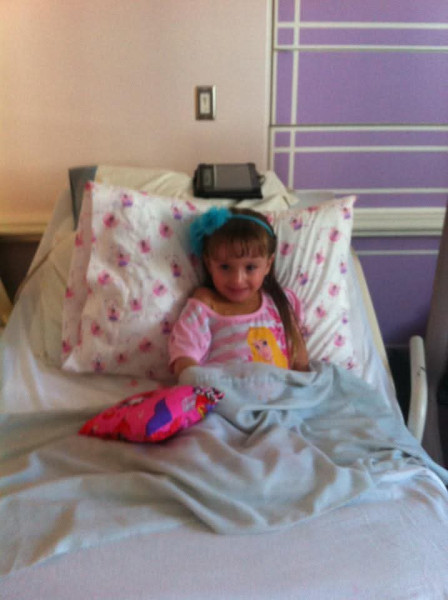 Maddie’s mother, Emily Preston, recalls how it broke her heart when Maddie was bullied as a young girl and in her teenage years.
“People can be so cruel and not inclusive,” Emily said. “I instilled in her, for as long as I can remember, that those are not the kind of people that you want in your life and in your circle.”
Maddie says mental health is not talked about enough, so she is open about her own journey. She relates to other people with disabilities that she meets because it can be isolating to live with a condition or disability.
“I’m learning how to be proud of everything because it’s not something that’s wrong with me,” Maddie said. “I can use this anxiety and depression to inspire other kids or other people because you’re not alone in these battles.”
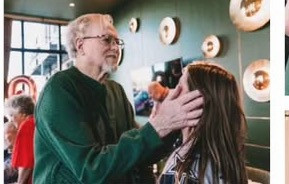
When Maddie was in elementary school, Cook Children’s Child Life Specialist Kat Davitt visited her school to present a program on ichthyosis to build empathy among classmates, help prevent teasing, and help her feel more confident about returning to school. It also helped educate her classmates about how ichthyosis affected Maddie. All these years later, Emily said it was a game-changer. When Maddie was at Cook Children’s Medical Center - Fort Worth in December, she and her family ran into Davitt.
“Maddie was such a strong child from the beginning and I can remember when we kind of passed the torch and she got comfortable talking about it,” Davitt said. “A school program can give words to the patient themselves. As they grow up, they feel more comfortable talking to their friends. It was lovely to see her and that we were able to give her the support she needed.”
Taking Care of Herself: Skincare Routine
Maddie came into this world fighting -- she was born seven weeks early and her mother says she looked like she was burnt because her skin was extremely red, dry and peeling off. They knew she had ichthyosis. Her care team kept Maddie’s skin hydrated and infection-free until she was ready to go home.
Emily also has ichthyosis. By the time Maddie was in pre-K, kindergarten and elementary school, Maddie’s skincare routine took two hours every morning. As Maddie grew older, Emily empowered her to understand the importance of caring for her skin.
Maddie applies Aquaphor on her face, neck and back in the morning and uses Vaseline at night. Her skin requires constant monitoring because it can change from one hour to the next, and it’s important to note these changes to catch infections as early as possible.
Spreading Awarenes
Maddie wants to help others by raising awareness of this rare condition and what life with it looks like.
Maddie remembers when she realized how rare her condition was and that other kids weren’t at doctor’s appointments all the time. She encourages people to be kind.
“You see other kids getting better and you’re asking God, ‘Why am I not getting better?’ but I am,” Maddie said. “I strongly believe that I’m being used to go out in this world and educate and be that light, because there’s so much darkness in this world.”