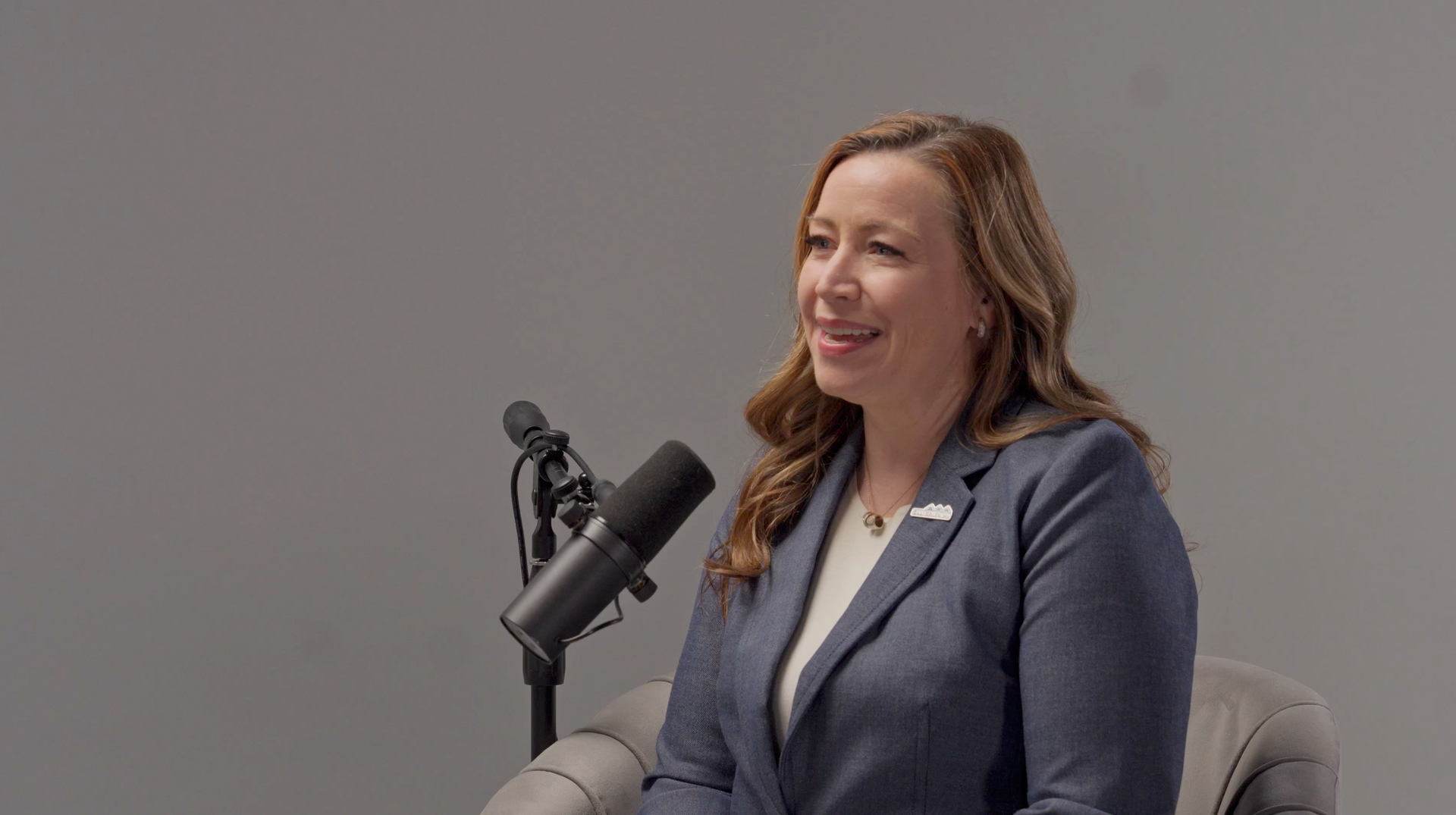
What Caregivers Need to Know About RSV and Babies with Dr. Schultz
Respiratory Syncytial Virus (RSV) is one of the most common viruses affecting infants and young children. While RSV often looks like a common cold in older children and adults, it can become much more serious in babies, especially during their first RSV season. In this episode of For Kids’ Sake, Karen Schultz, M.D., and Division Chief of Pulmonology at Cook Children's, explains RSV symptoms, risk factors, prevention strategies and when caregivers should seek medical attention.
Q: What is RSV?
Dr. Schultz: RSV is a common respiratory virus that circulates every year. While people of all ages can get RSV, it is most concerning in infants because they are at greater risk for breathing difficulties, pneumonia and hospitalization. RSV season typically runs from October through February, with the highest activity often occurring in November and December.
Q: Why are babies at a higher risk for severe RSV?
Dr. Schultz: Newborns and infants are more likely to develop complications such as:
- Difficulty breathing
- Pneumonia
- Low oxygen levels
- Hospitalization
Some babies are at even greater risk, including those who:
- Were born prematurely
- Have chronic lung disease
- Have congenital heart conditions
- Have certain immune system challenges
Q: What are the symptoms of RSV?
Dr. Schultz: For many older children and adults, RSV looks like a common cold.
Symptoms often include:
- Runny nose
- Congestion
- Cough
In infants, caregivers should watch for:
- Fast breathing
- Working hard to breathe
- Retractions (skin pulling in between or under the ribs)
- Difficulty feeding
- Extreme congestion
- Decreased intake of formula or breast milk
Q: How can caregivers protect babies from RSV?
Dr. Schultz: Prevention is key. Simple steps include:
- Frequent handwashing
- Using hand sanitizer
- Keeping sick individuals away from babies
- Limiting close contact when someone has symptoms
- Following recommended immunization guidance
Q: Is there protection available for RSV?
Dr. Schultz: Yes. Today's RSV antibody protection is significantly improved compared with earlier versions. The current recommendation includes a once-per-season antibody shot for eligible infants during RSV season, helping reduce the risk of severe illness and hospitalization.
Q: Does the RSV immunization prevent infection completely?
Dr. Schultz: No. Babies may still develop mild RSV symptoms like a runny nose or cough.
The goal is to reduce severe complications, including:
- Hospitalization
- Pneumonia
- Serious breathing problems
Q: What treatment is available for RSV?
Dr. Schultz: RSV treatment is primarily supportive care. There is no medication that makes RSV go away faster.
Treatment often includes:
- Saline drops
- Nasal suctioning
- Hydration
- Oxygen support if needed
Most children recover at home with close monitoring.
Q: When should a caregiver seek emergency care?
Dr. Schultz: One of the biggest warning signs is increased work of breathing. Seek immediate medical attention if a baby develops:
- Retractions
- Rapid breathing
- Significant feeding difficulties
- Signs of dehydration
- Worsening respiratory distress
Q: What happens if a baby is hospitalized with RSV?
Dr. Schultz: Hospital care depends on illness severity. Some children require:
- Short stays for observation
- Supplemental oxygen
- IV fluids
- Feeding support
The sickest infants may need intensive care and advanced breathing support while their bodies recover.
Final Thoughts
Dr. Schultz: There are steps families can take to reduce the risk of severe RSV. Prevention measures like handwashing, avoiding exposure to illness and staying current with recommended RSV protection can make a meaningful difference for young infants during RSV season.