The Heart Hero: How a Cook Children’s Surgeon Helped a Georgia Newborn Defy All Odds and Saved Her Life
After a family searched for answers across the country, Cook Children's research and medical teams fulfilled the promise of a bright future for baby with rare heart conditions.
Just weeks before Sarah Ellen Beavers was due to give birth, she still did not know where she would deliver her first child.
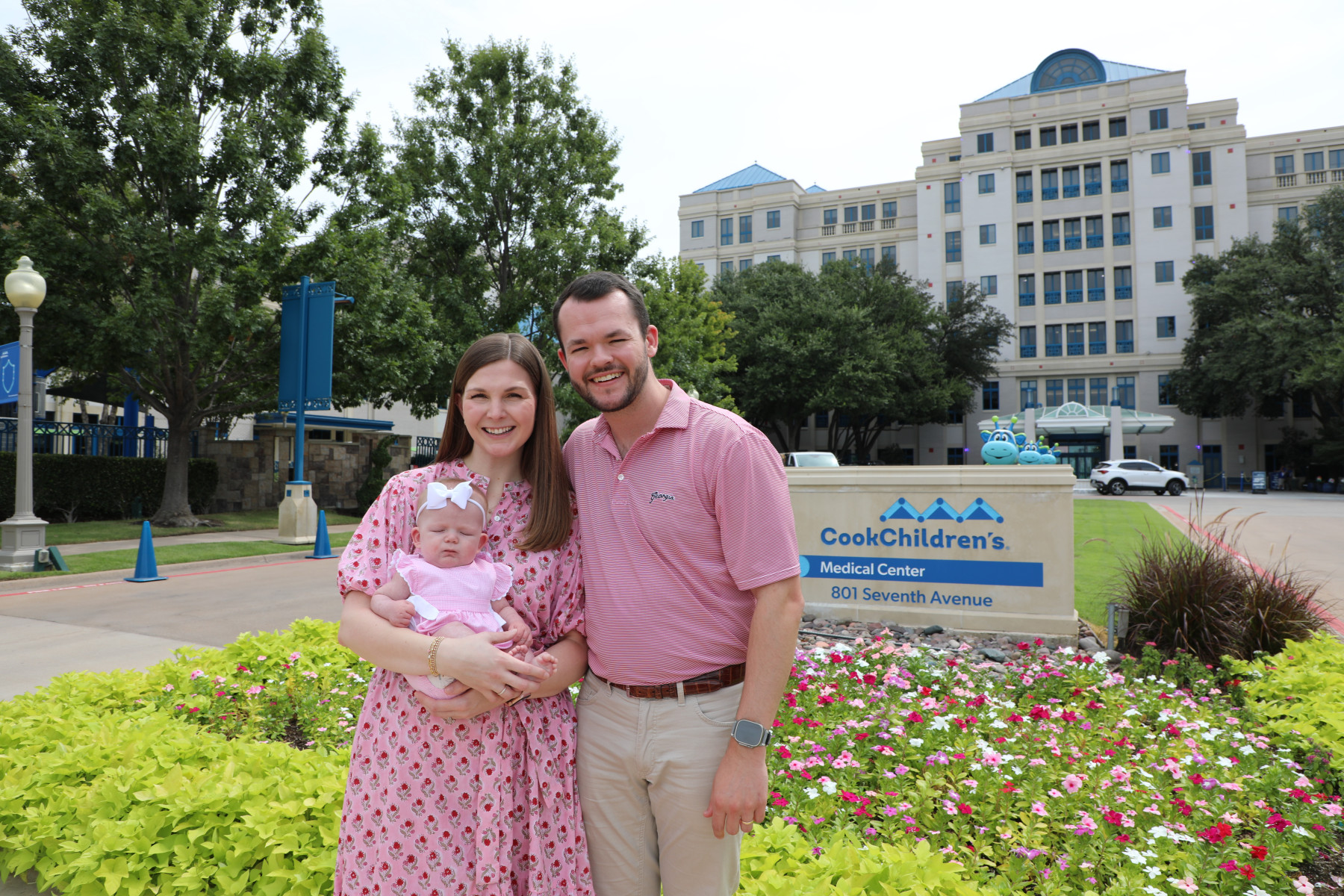 She and her husband, Zach Beavers, spoke with numerous hospitals, but none would take them. Most places were either not willing or not equipped to handle the heart defect that had been detected in their unborn daughter.
While still in the womb, Anna Claire was diagnosed with a rare heart condition in which the left side of the heart is too small to pump blood. To make things more complicated, she also had a genetic condition that stilted her growth. Two months before Anna Claire’s due date in April, the Beavers’ found out their home hospital in Georgia was not willing to operate on her due to the high risks.
With less than a month to go, the Beavers found a ray of hope when their doctor heard about a hospital in Texas that had unusually positive results treating Anna Claire’s condition. There seemed to be one place that would help them: Cook Children’s Medical Center – Fort Worth.
One of the first things Cardiologist Kevin Wilkes, M.D. learned about Cook Children’s was that the hospital doesn’t shy away from taking care of the most medically complex children. As a pediatric and fetal cardiologist, Wilkes also quickly learned—and is part of the reason—that Cook Children’s excels at treating those children.
In 2024, Dr. Wilkes noticed one area in particular where Cook Children’s seemed to achieve better patient outcomes than other hospitals: a rare but life-threatening combination of Hypoplastic Left Heart Syndrome (HLHS) and Turner Syndrome. In HLHS, the left side of the heart does not develop properly and cannot pump blood to the body. In Turner Syndrome, the X chromosome is missing or partially missing. In very rare cases, babies -- like Anna Claire -- can have both.
Through the Pediatric Research Program, a partnership between UNT Health Fort Worth and Cook Children’s, third-year medical student Anisha Saripalli started to look into the numbers. Over the summer of 2024, she, along with Research Scientists Chris Tsao and Fadeke Ogunyankin, dug through electronic case records in Cook Children’s basement. The results were compelling.
Compared to other hospitals, Cook Children’s outcomes for babies with Turner Syndrome and HLHS are some of the best in the nation, far exceeding the mortality rate of other centers. On average, between 80 and 90% of babies with both conditions die across the country after their first surgery. In fact, the prognosis at many hospitals is so poor for those patients that many places won’t even attempt to perform surgery on a baby with both conditions. However, at Cook Children’s, 100% of babies survived their first surgery.
“That's pretty solid to recommend that these patients go through the surgery, because we're increasing their chance of having a good life. And we're not just saying, ‘oh, well, you're incurable, untreatable,’” Saripalli said.
In short, Cook Children’s gives these babies a chance.
And hundreds of miles away, one family was asking for just that.
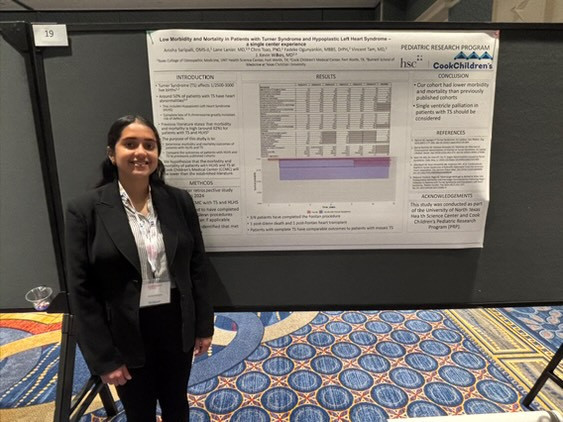 In February 2025, the same month that Saripalli’s research was presented at a cardiology conference, the Beavers found out that Anna Claire had both HLHS and Turner Syndrome.
Their birth plans suddenly vanished; the Atlanta hospital where Sarah Ellen planned to deliver said it did not have the ability to treat Anna Claire’s condition.
Because the left side of Anna Claire’s heart could not pump blood, the right side of her heart would need to become the pumping chamber for the rest of the body. But few hospitals are able or willing to perform the surgery on babies with Turner Syndrome due to the added complications.
Anna Claire would need three heart surgeries, the first of which -- called the Norwood surgery – would have to be done within three days of her birth. The Beavers contacted several major heart centers, but they all said they could not take Anna Claire.
“We were just hoping someone would say yes. Because statistics really were not super favorable, and so we were really prepared for the worst,” Sarah Ellen said. “But we were just hoping for a chance.”
At the end of February, Dr. Wilkes presented Saripalli’s research at a Cardiology Conference in Florida. She and the research team found that between 2013 and 2024, Cook Children’s saw six babies with HLHS and Turner Syndrome. In contrast to the high mortality at other hospitals, at Cook Children’s, five of the babies (83%) are alive.
Coincidentally, the Beavers’ cardiologist happened to attend the presentation. He immediately thought of his patients back in Georgia.
“On Friday afternoon, our home cardiologist called us and was like, ‘hey, there's someone with really good statistics,” Sarah Ellen said. “And that probably got us through the weekend, because we already had gotten two ‘nos’ from hospitals. And we were like, ‘What are we gonna do?’ We don't have time.”
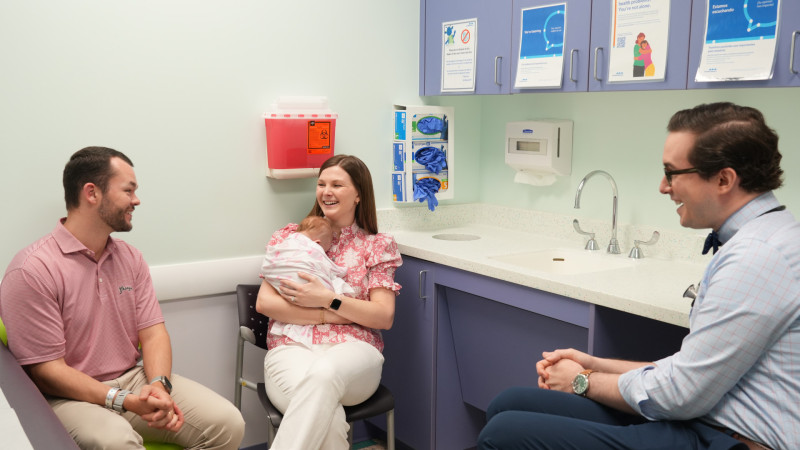
That Monday, the Beavers scheduled a phone call with Dr. Wilkes and Vincent Tam, M.D., the Medical Director of Cook Children's Cardiothoracic Surgery. Dr. Tam walked them through the procedures he would perform on Anna Claire. While other hospitals would not consider taking on Anna Claire’s condition, Dr. Tam seemed undaunted.
“(Tam) never balked at any of it,” Zach said. “He never thought that it was a challenge or any concern, and just made it seem like he's just gonna do the same thing that he always does, and it was gonna be great.”
The Beavers packed the biggest suitcases they had and, leaving behind their home hospital and friends and family, headed to Texas.
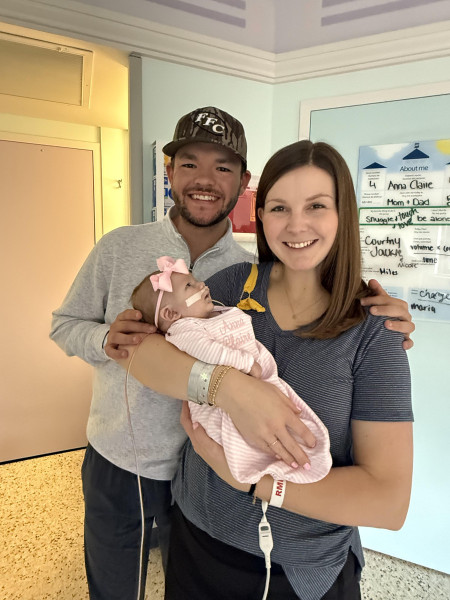
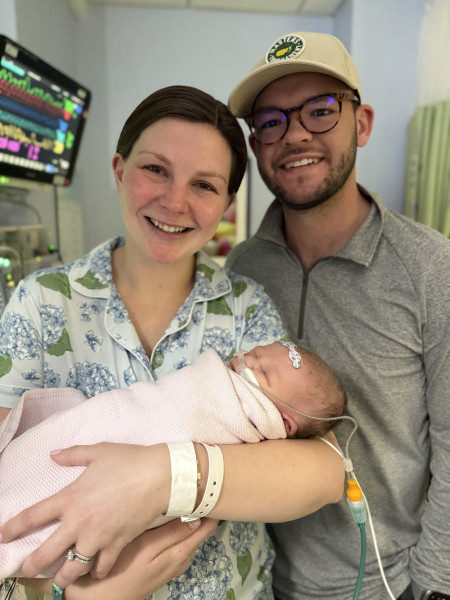
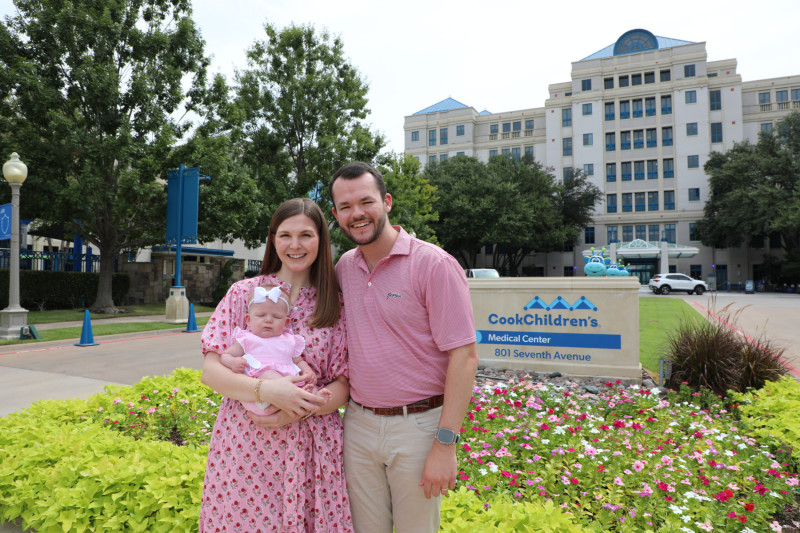
On March 25, the Beavers stepped into Cook Children’s for the first time.
“We walked the halls receiving a quick tour and then we had the opportunity to meet with Dr. Tam, Anna Claire’s surgeon,” Sarah Ellen wrote that day on the family’s CaringBridge blog, which provided updates on Anna Claire. “After over an hour with him, we were more at peace believing that the Lord intended for us to be here all along.”
Leading up to Anna Claire’s birth -- and her open-heart surgery – Dr. Tam, Dr. Wilkes and other Cook Children’s staff did everything they could to make the Beavers comfortable and confident. Dr. Tam explained the surgery to them again and it was clear to the Beavers that he had studied and perfected the procedure.
But there was still a risk. Saripalli said there is not much research on babies with both HLHS and Turner Syndrome because the condition is so rare.
But Dr. Tam and Dr. Wilkes were confident. Cook Children’s has such good outcomes, they said, because of the infrastructure and support built into every layer of the medical center.
“I've been here at Cook Children’s for more than 20 years, and we have gradually built a team to the point where we really have excellent people working in all of the teams involved,” Dr. Tam said. “Including nursing staff, respiratory therapy, the technicians that do the ultrasound for the Echo, all of our cardiologists, the ICU doctors, the anesthesiologist doctors, the nurses that help with anesthesia. And my whole operating room team. I mean it's a huge team effort.”
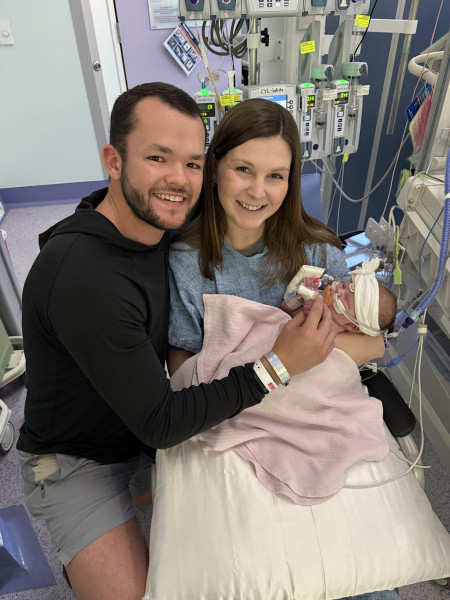 On April 3, that medical team assembled to welcome Anna Claire to the world.
Anna Claire was born right on time, at 4:56 a.m. on her due date at a nearby hospital before being transferred to Cook Children’s and Dr. Tam knew he had to move quickly so that the right side of her heart didn’t overwork itself. The next day, Anna Claire had her first open-heart surgery.
The group effort paid off; Anna Claire’s first surgery was a success. The team successfully began the process of reworking the right ventricle to support the rest of her circulation.
The following week brought another scary moment when blood and fluid started to build up around Anna Claire’s tiny heart and the medical team determined they needed to open her back up. Fortunately, Dr. Tam and the team found the source of the bleeding and stopped it immediately.
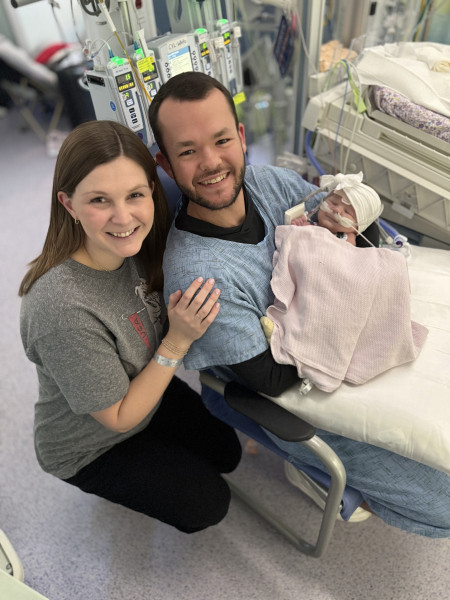
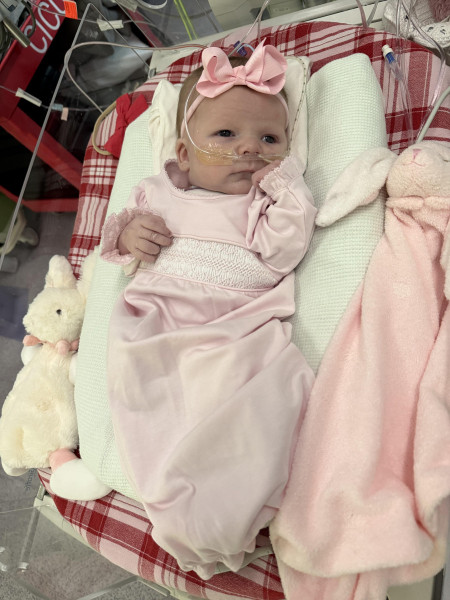
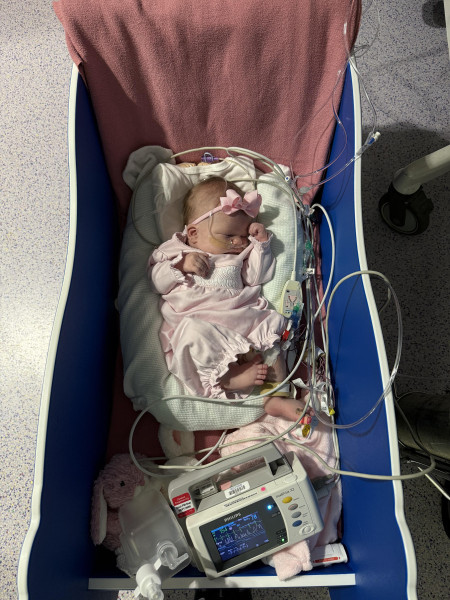
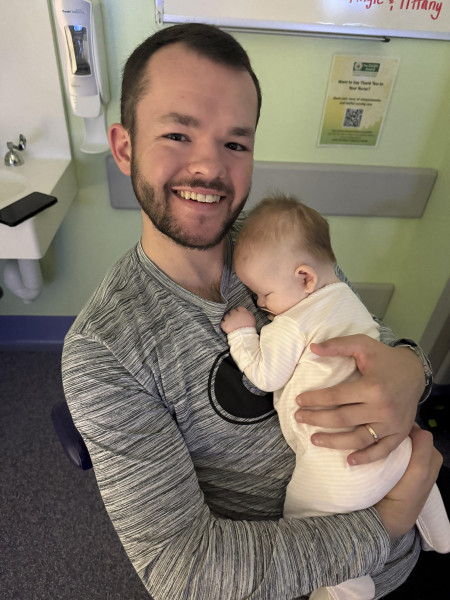
The next weeks brought other challenges and still more members onto Anna Claire’s medical team. Her feeding, oxygen levels, sleep patterns and every internal system were constantly monitored. The next five weeks, Zach said, felt like months.
“Yeah, there were days it was just… you kind of went to bed like, ‘man, this was a lot,’ and you woke up knowing ‘we're doing it again today,’” Sarah Ellen said.
But they also found support at Cook Children’s.
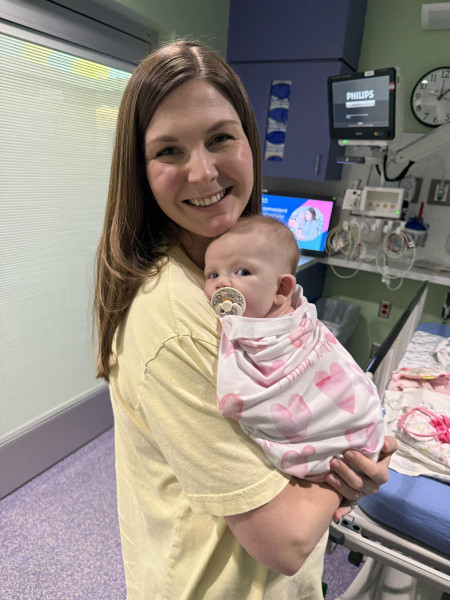
“In these days, this place has held us,” Sarah Ellen wrote at the time on her blog. “Strangers have become best friends and family. Nurses and doctors have become dear friends. Staff members have learned our family’s story. The doors we walked in on March 25 have become a place we will forever call home.”
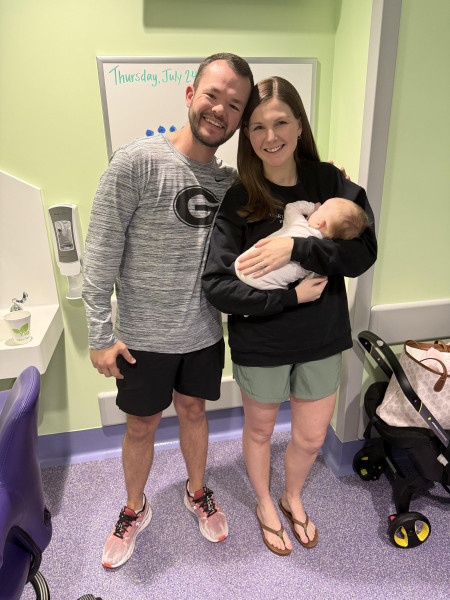
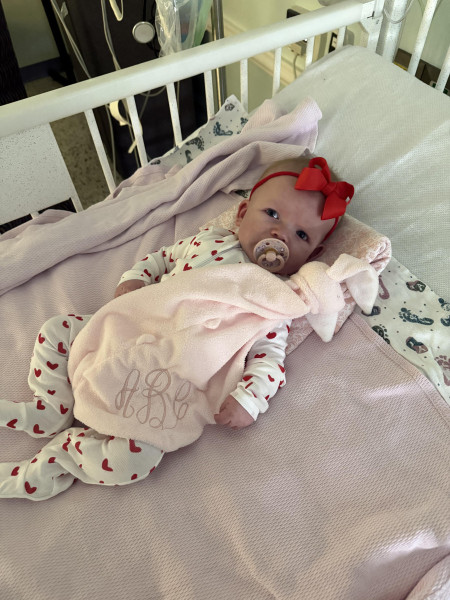
Anna Claire was able to temporarily leave the hospital on May 30 and stay at the Beavers’ temporary home that a local DFW family offered them. On July 24, she had her second open- heart surgery. While anxiety-inducing for the Beavers, the surgery went well, and Anna Claire made the monumental milestone of moving from the ICU to the less intensive Cardiac Step Down Unit.
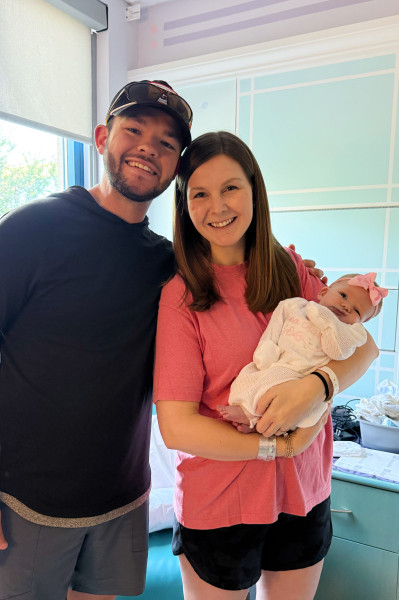
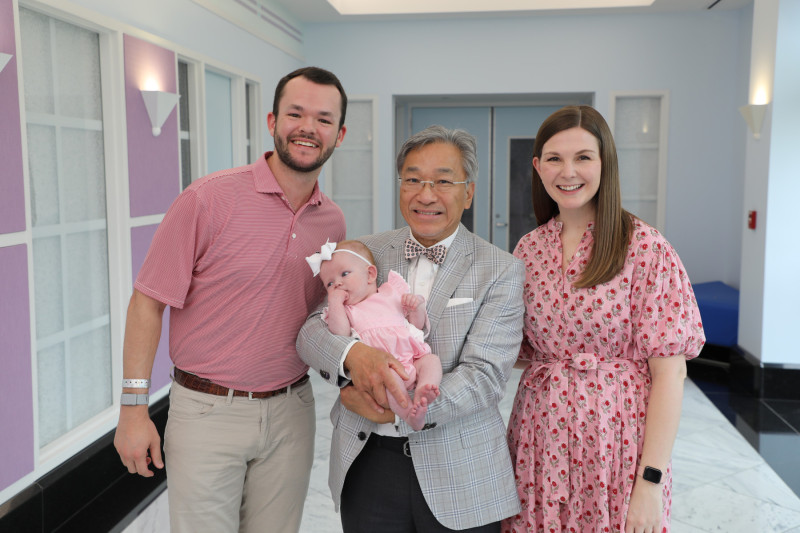
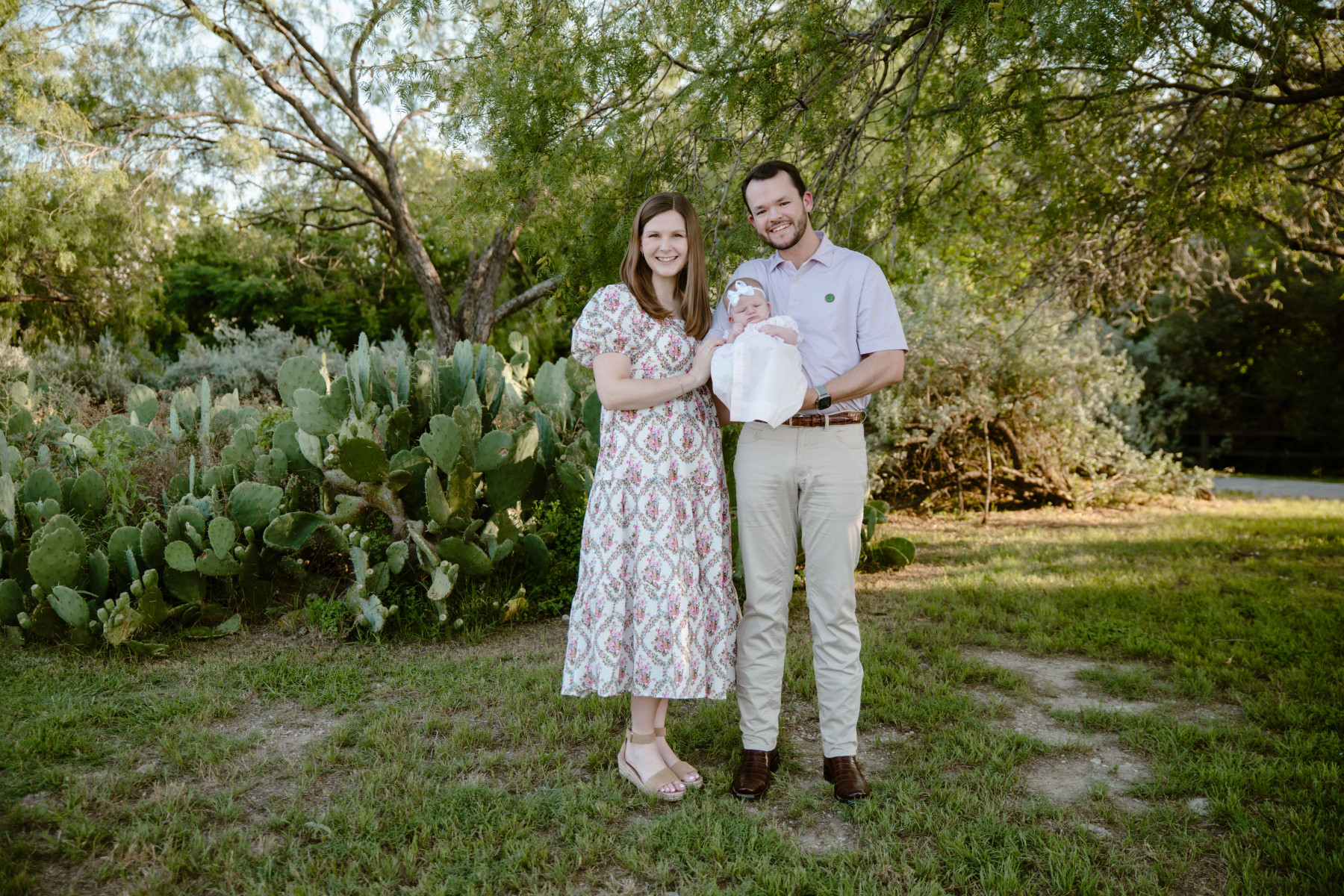 Exactly five months after the Beavers arrived -- unsure of how long they would be away from home and uncertain about their daughter’s future -- the family of three left Fort Worth to head back home to Georgia.
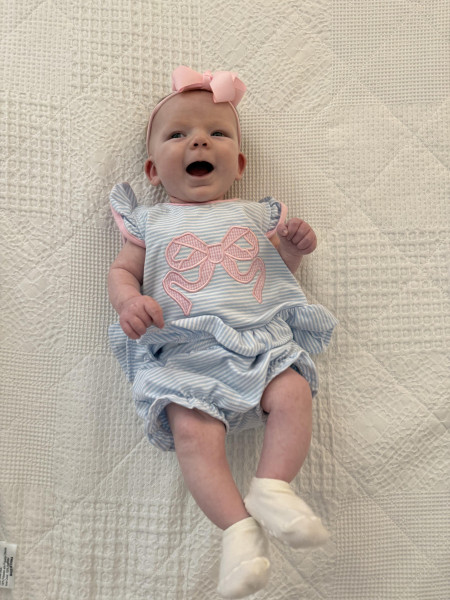
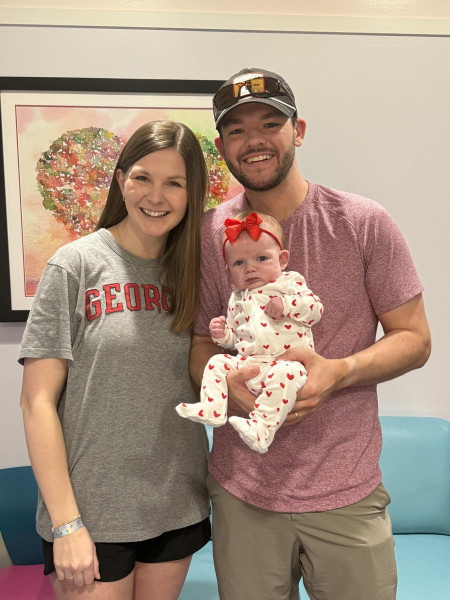
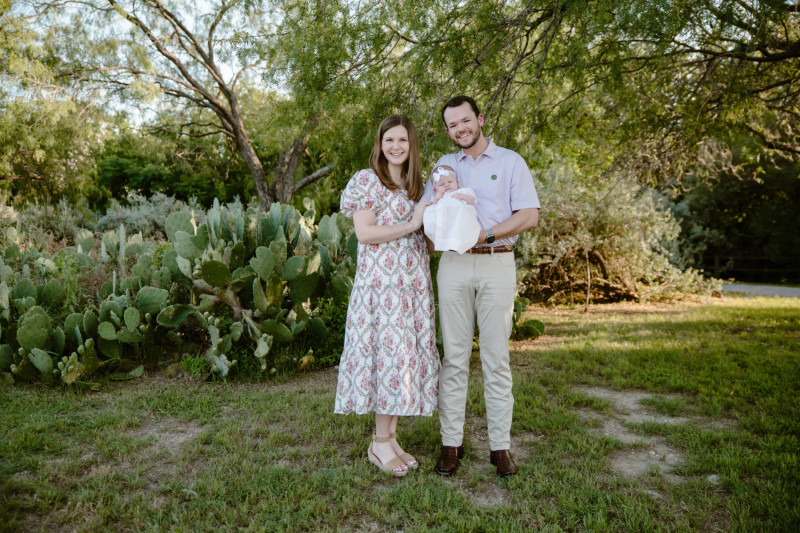
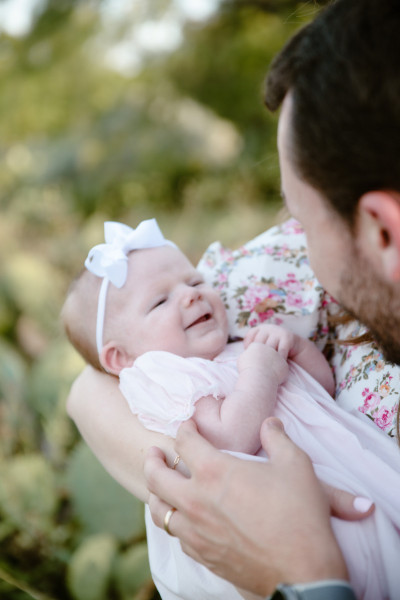
Leaving was emotional for many reasons. They were excited to return to their home, family and, most importantly, their Georgia Bulldogs (Anna Claire had a jersey waiting for her at home). But they had to say goodbye to the dozens of people at Cook Children’s who made one of the most challenging times of their lives into something bearable. On Aug. 8, they visited the Cardiology Unit with Anna Claire, who wore a jumper adorned with blue flowers and a white bow. The staff excitedly gathered around her, commenting on how strong she looked and how well she drank from her bottle.
Two of Anna Claire’s nurses with the Home Monitoring Unit, Emma Hughes and Mariah Trammel, marveled at how she had exceeded everyone’s expectations.
“Just in general, having her heart diagnosis is really challenging and she has a genetic component on top of that, which adds to the complexity,” Mariah Trammel, Heart Center Discharge Coordinator, Cardiology-Administration, said. “So we were one of the only institutions that were willing to take her on and do her surgery. And she has done incredibly well.”
Before leaving Fort Worth, they also met Saripalli for the first time. For Saripalli, meeting the family brought home the fact that her research, and the decades of work it's based on, has real, life-saving implications. Saripalli’s project highlighted how Cook Children’s has created a collaboration between research and clinical medicine that leads to immediate impact. Medical research can take years to trickle down to actual patients. Cook Children’s partnerships with universities like UNT Health Fort Worth means solutions can be rapidly translated to real results.
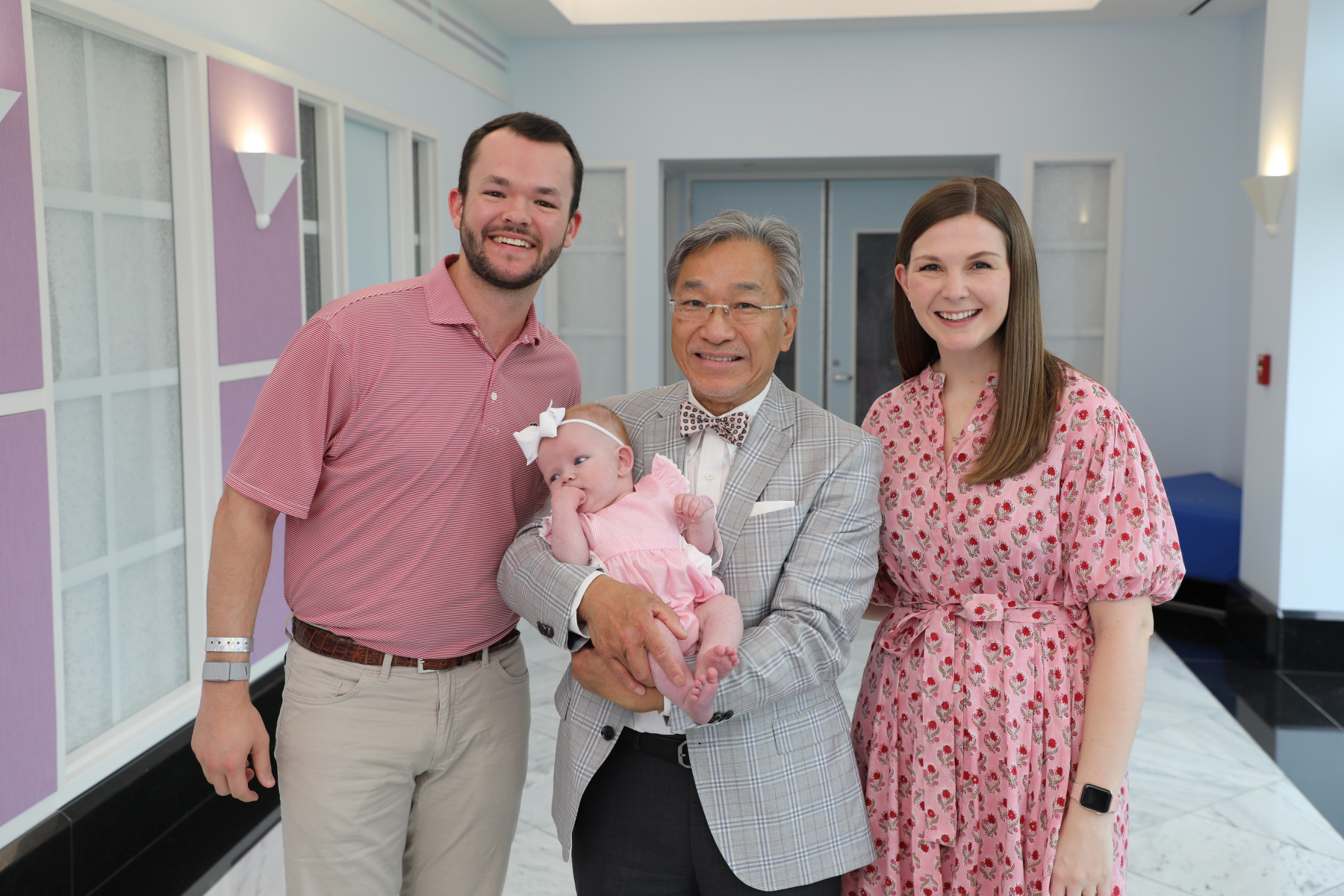 Saripalli, Dr. Tam and Dr. Wilkes hope the Beavers’ story and Saripalli’s research provide a similar ray of hope for others.
“This research at Cook Children's was a game changer,” Dr. Wilkes said. “And I think you see that in how quickly it affected the family. By getting that information out there nationally at a conference within a week, we were able to change the outcome of a family. I hope in the future we can change the outcome of many more families undergoing this type of heart surgery.”
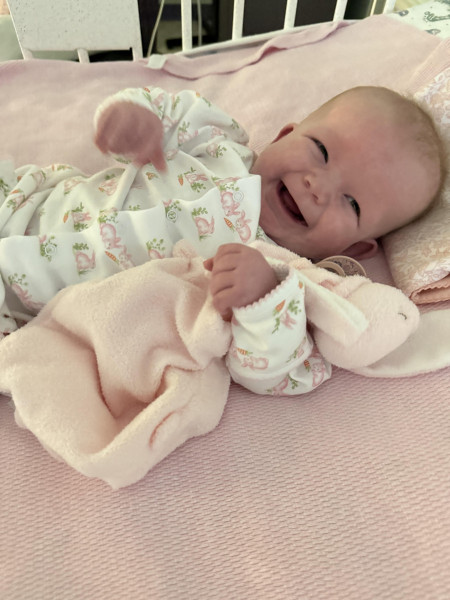
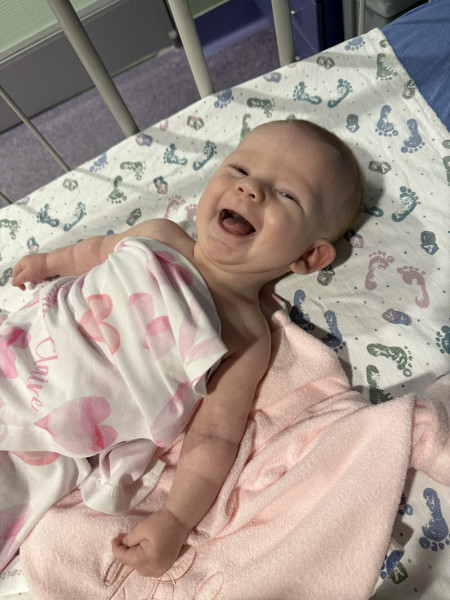
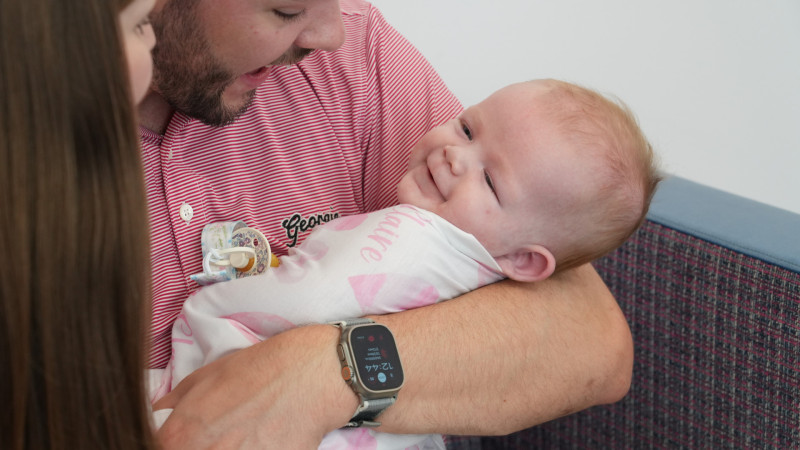
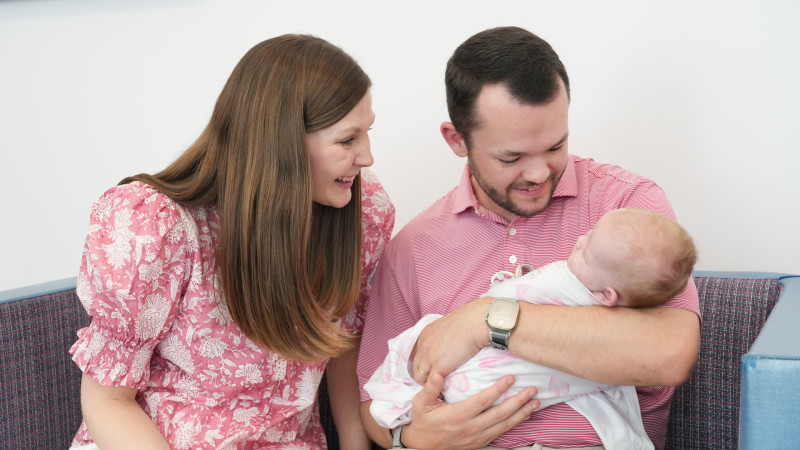
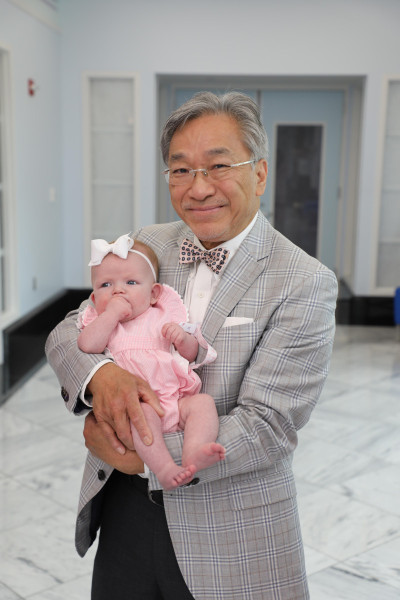
Anna Claire is now seven months old and continues to thrive in Georgia.