Be the Difference: Project ADAM
 Every year, approximately 2,000 seemingly healthy people under the age of 25 die from sudden cardiac arrest (SCA), a tragic statistic that Cook Children's Health Care System is working to change.
In recognition of National Sudden Cardiac Arrest Awareness Month this October, Cook Children's is highlighting its year-round commitment to ensure schools and communities are prepared for such a medical emergency through its Project ADAM program, which provides life-saving training and resources.
Sudden Cardiac Arrest occurs when the heart stops beating, which leads to loss of breath or irregular breathing and prevents blood flow to the brain and other vital organs.
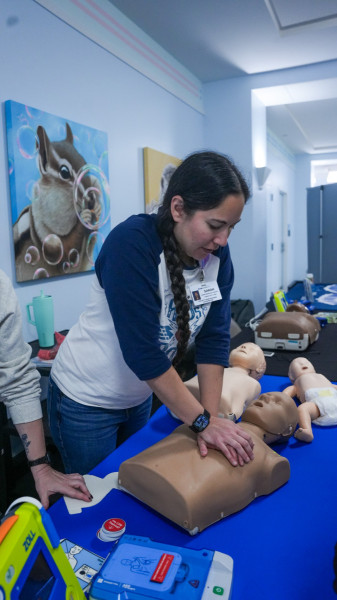
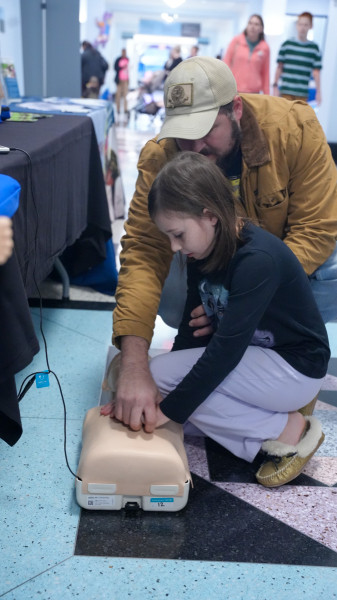
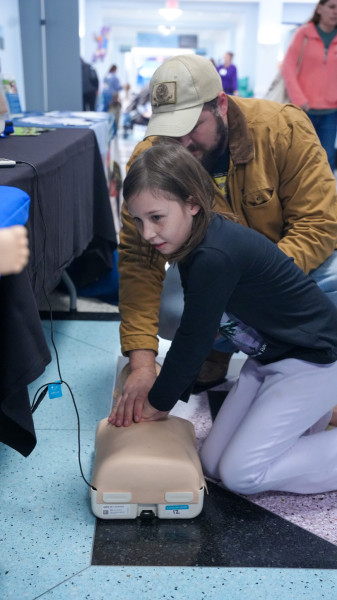
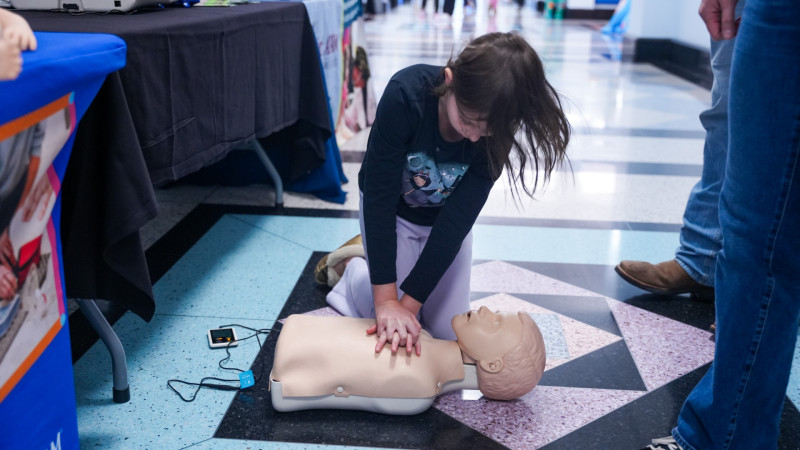
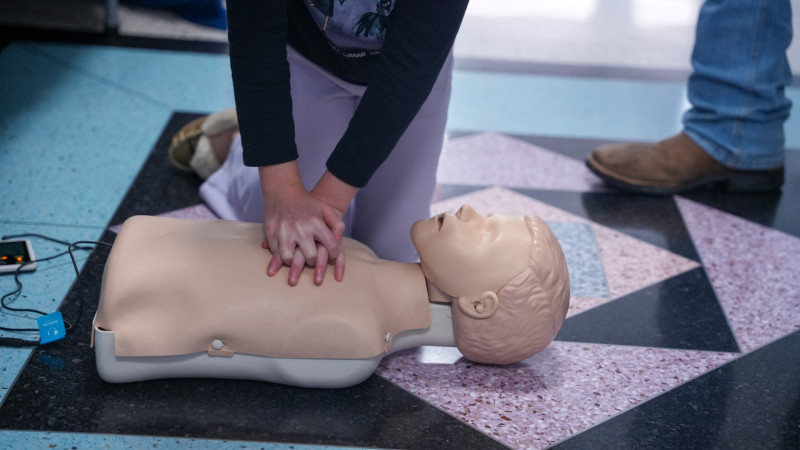
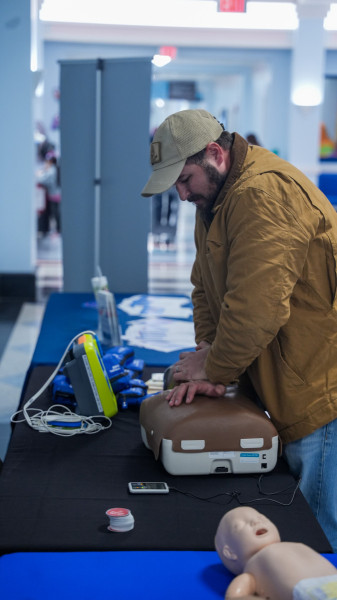
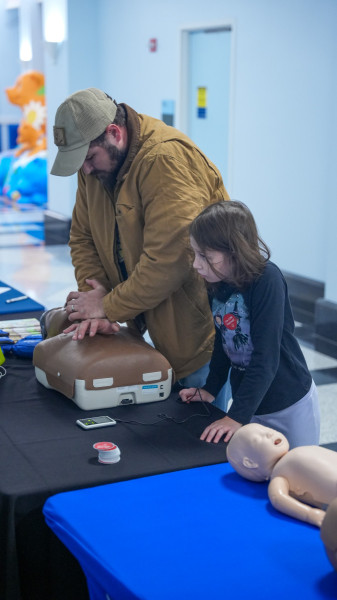
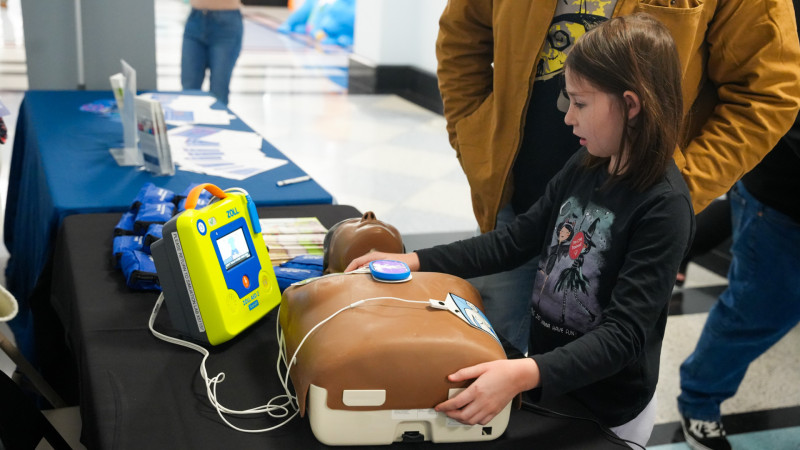
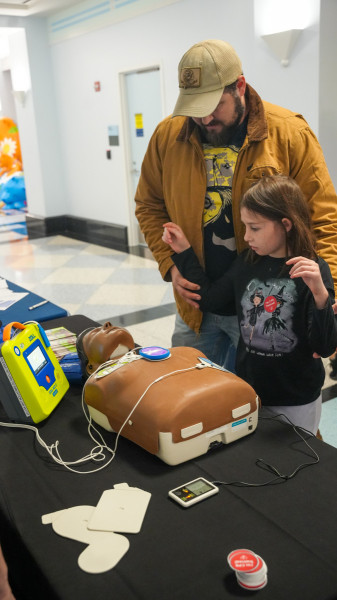
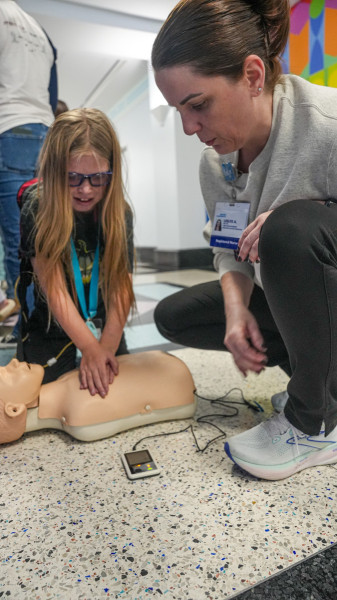
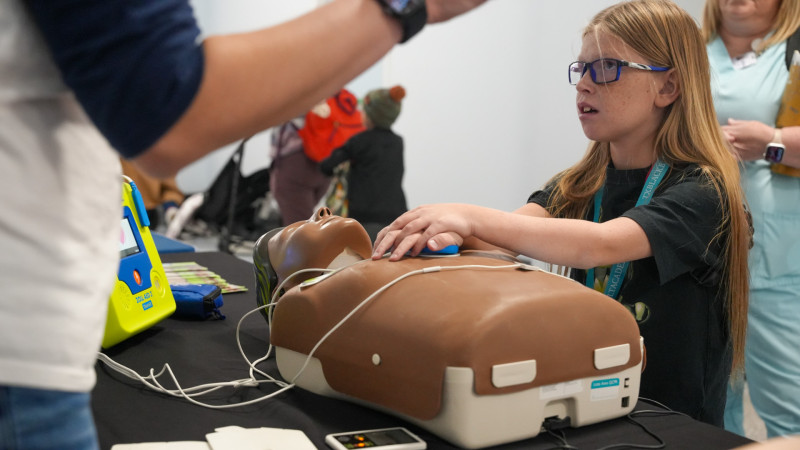
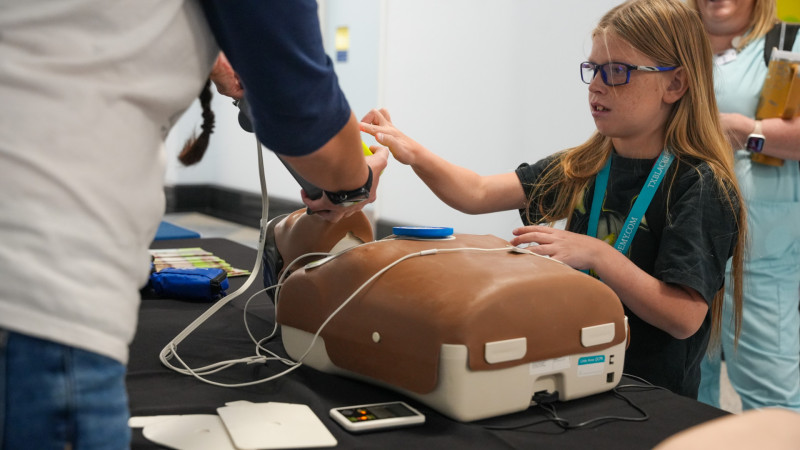
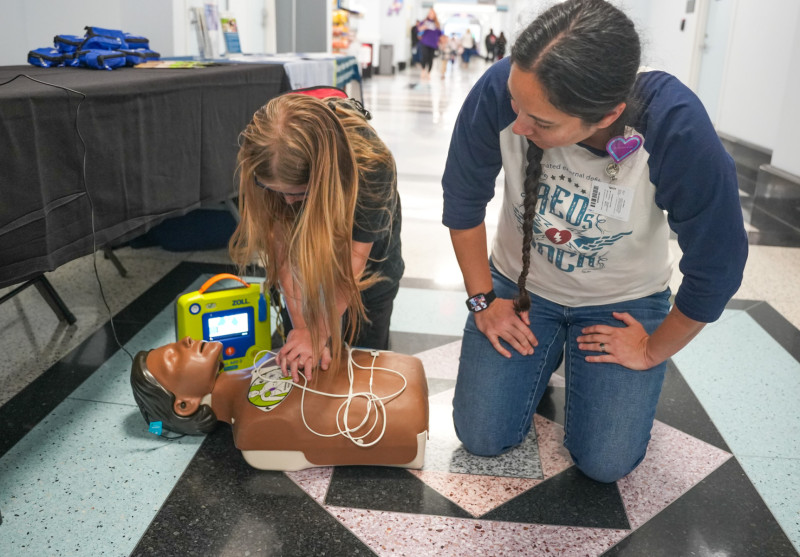
“With the proper training, anyone can do CPR and use an AED, and with enough of us trained and empowered to do so, we have the ability to potentially save someone’s life,” said Sarah Thieroff, Project Adam Program Coordinator.
Project ADAM (Automated Defibrillators in Adam's Memory) is a program named after 17-year-old Adam Lemel. In 1999, while playing high school basketball, Lemel collapsed and went into Sudden Cardiac Arrest. His family learned that he could have been saved with the right preparation and equipment. An automated external defibrillator (AED) was not available. His parents helped start the Project ADAM program at the Children’s Hospital of Wisconsin in his memory. Cook Children’s was the first in Texas and is now one of 52 hospitals and program sites to provide free cardiac resources, including training and AED devices.
Thieroff recalled the motivating force behind the program's founding: "What we learned now is that Adam could have had a chance. I was faced with a choice. I couldn't save my son, but maybe I can save yours," Adam's father said.
More than 780 schools and 28 school districts are recognized to be Heart Safe. A designated Heart Safe school and district have completed a quality AED training program that includes a CPR/AED trained emergency team, an emergency plan for their AED and required AED drills.
“Knowledge of what to do, and muscle memory from practicing the appropriate steps may correspond to earlier action and in turn lead to a more successful outcome,” said Danielle Moyé, M.D., at Cook Children’s Heart Center.
Beginning the 2026-2027 school year under Senate Bill 865, also known as the Landon Payton Act, public and private schools will be required to implement a cardiac emergency response plan, mandate CPR and AED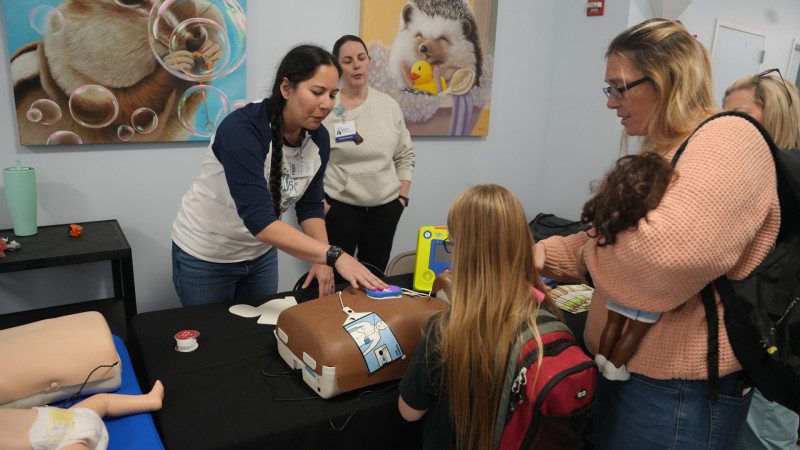 certification for specific school employees and volunteers, and require drills to test their emergency response.
“With the SB 865 bill, we have legislative support to encourage schools to act now and prepare,” said Dr. Moyé. “And we are ready to help them. We are here and happy to walk through what this looks like and ease some of the burden from the school’s administration, nursing team, and district.”
An AED is supported by the FDA to detect ventricular fibrillation. It has been designed and tested in both children and adults. Cardiac arrest is reversible in most victims if it is treated within a few minutes with an electric shock to the heart to restore a normal heartbeat. This process is called defibrillation. A shock delivered by an AED within 3-5 minutes can save a life and for every minute that passes, survival rates drop by 10%.
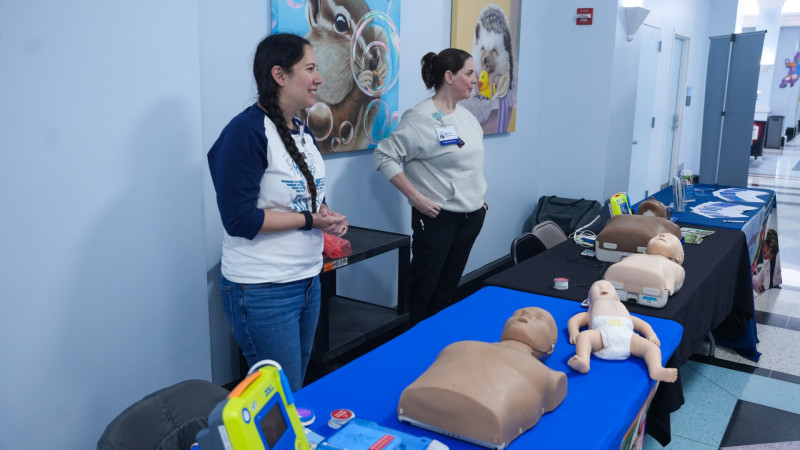
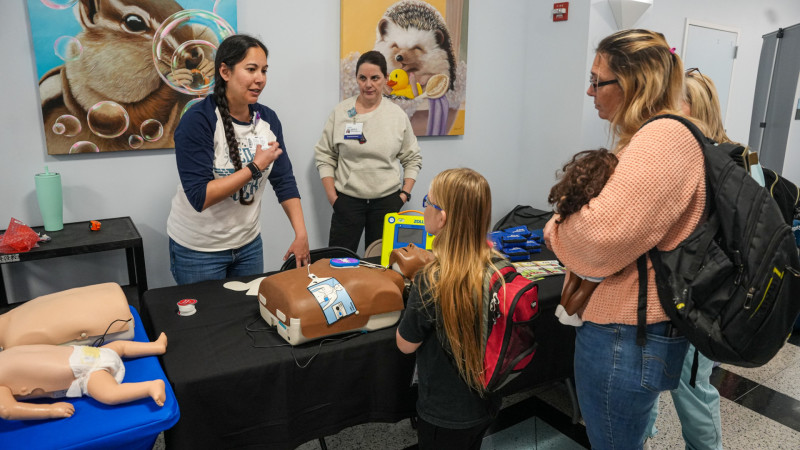
Through the Cook Children’s Project ADAM program, anyone can be trained. The program provides schools across Texas with the necessary tools and education to plan and develop their public access defibrillation (PAD) program.
“The expectation is that schools will be prepared for if it happens, not just putting it off or waiting to establish an emergency team, plan and/or drill if/when it happens,” explained Thieroff.
Signs and Symptoms of Sudden Cardiac Arrest
- Not breathing or irregular breathing (i.e. agonal gasps)
- Unresponsive and/or sometimes there are “seizure-like” movements.
- If someone witnesses a collapse:
- Check for responsiveness.
- Tap/lightly shake the person and ask if they’re okay, then if they’re not responsive, call for help/have someone call 911 immediately
- Send someone to get the AED. If they’re unsure where the AED is, when they call 911, the 911 dispatcher should tell them the location of the nearest registered AED in the area.
Cook Children’s provides free Hands Only CPR/AED training, cardiac emergency response planning, and AED drill assistance to any school in Texas. Call 682-885-6755 or email ProjectAdamTexas@cookchildrens.org. For more information on free resources on the local Project ADAM program, visit www.projectadamtexas.org or the national Project ADAM page at www.projectadam.com