
What Families Should Know About RSV Today
Resources and tips for finding immunizations for children:
Navigating vaccines can feel overwhelming. Talk to your pediatrician.
- Schedule an appointment through Cook Children's.
- Find your nearest Texas Department of State Health service clinic for information on clinics.
- Call 211 for help.
- Call Tarrant County Public Health at 817-248-6299 to make an appointment or to find a walk-in clinic.
- Check with your local school district for vaccine events.
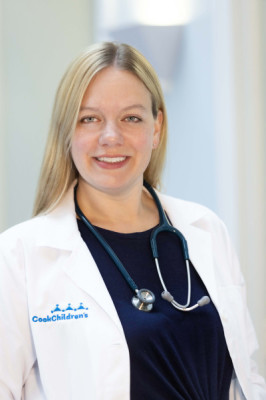 Raising a child brings up endless questions, especially when it comes to their health and well-being. As back-to-school season approaches, immunizations may be top of mind for families, and searching for clear, honest answers about what goes into their child's body and why. With so much conflicting information online, sorting facts from fear can feel overwhelming. Cook Children’s Health Care System helps parents and caregivers cut through the noise with trusted guidance from medical experts who are parents themselves.
Among the recommended immunizations, the RSV medication often raises questions.
Hospitalist Laura Romano, D.O., explains the key facts about RSV and the medication that prevents it.
What is RSV?
Respiratory syncytial virus, or RSV, is a highly contagious virus that causes upper and lower respiratory symptoms in people of all ages. Symptoms range from a stuffy nose to difficulty breathing. While most cases are mild, severe infections can cause bacterial pneumonia or require hospitalization for oxygen therapy and intravenous fluids. Premature infants and babies with underlying heart or lung conditions face the highest risk.
Can RSV be prevented?
Yes! Pregnant women can receive an RSV vaccine to protect their babies, or infants can receive a preventive immunization during the winter. Some children qualify for more than one immunization so ask your pediatrician if your child needs a second dose. Thanks to maternal vaccines and infant immunizations, hospitals - including Cook Children’s - are seeing a drop in RSV hospitalizations.
What would you like families to know about RSV and its immunization?
RSV while mild for many can be fatal for some. RSV can affect everyone from young babies to our grandparents and can be fatal in both cases.
RSV is mild for most people but it can be fatal for some. RSV affects individuals of all ages - from infants to older adults - and can be deadly for high-risk populations across both groups.
